Brussels Sprouts Are Useful Against Cancer, Osteoporosis, Diabetes
 Author: Joe Fowler
Time for reading: ~1
minutes
Last Updated:
August 08, 2022
Author: Joe Fowler
Time for reading: ~1
minutes
Last Updated:
August 08, 2022
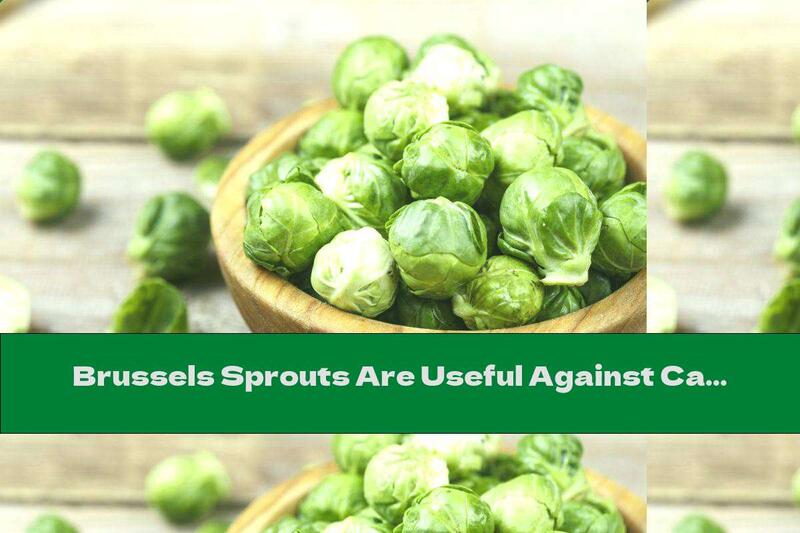
Brussels sprouts protect against cancer, osteoporosis, diabetes and other diseases thanks to antioxidants and nutrients.
Brussels sprouts are from the group of cruciferous vegetables. It is very rich in fiber, vitamins and minerals, and is low in calories. Folate and manganese are found in it. Vegetables are also rich in antioxidants that reduce oxidative stress in cells.
Consumption of Brussels sprouts can protect against cancer. Some studies show that high levels of antioxidants in vegetables can help prevent colorectal cancer. According to researchers, compounds in Brussels sprouts reduce inflammation, which causes diseases such as cancer, but also diabetes and heart disease.
Brussels sprouts are extremely rich in vitamin K, which is essential for the formation of blood clots that stop bleeding. Vitamin K plays a role in bone growth and can prevent osteoporosis, a condition characterized by progressive bone loss. A study found that vitamin K increased bone strength and reduced the risk of bone fractures in menopausal women.
Bryukselsoko cabbage is high in vitamin C. It provides 81% of daily vitamin needs. It is important for the growth and repair of tissues in the body, but also boosts the immune system. A review of 11,000 participants found that vitamin C reduced the severity of the common cold and reduced its duration by an average of 8% in adults. The compounds in Brussels sprouts also help flush out harmful chemicals from the body.
For those who do not eat fish and seafood, omega-3 intake may be more limited. Brussels sprouts are one of the best sources of omega-3 fatty acids. A 78 g serving of boiled Brussels sprouts includes 135 mg of alpha-linolenic acid, a type of omega-3 acid. Acids have been shown to lower blood triglycerides, slow cognitive decline and reduce insulin resistance. The inclusion of several servings of Brussels sprouts each week can help to easily obtain omega-3 acids, as a 78 g serving of vegetables provides 12% of the daily requirement for women and 8.5% for men.
Brussels sprouts are a healthy addition to any meal and are easily included in salads and side dishes.
Related Articles
- Therapeutic Nutrition For Diabetes: Managing Blood Sugar Through Diet
- Therapeutic Nutrition for Diabetes: Managing Blood Sugar Through Diet
- Therapeutic Nutrition for Diabetes: Managing Blood Sugar Levels
- Therapeutic Nutrition for Diabetes: Managing Blood Sugar Levels
- Therapeutic Nutrition for Diabetes: Managing Blood Sugar Levels
Top Nutrition Articles Today
- . Calcium In Lentils
- . How To Cook Puff Pastry Hot Dog Pie - Recipe
- . The Power of Red Foods: Health Benefits and Nutrition Guide
- . The Nutritional Benefits of Scotch: Improving Cardiovascular...
- . Nutrition Boost: Functional Properties in Muffins for Health...
- . Diet After Surgery Of The Small And Large Intestine
- . The Ultimate Guide to Non Starchy Carbs: Benefits, Examples,...
- . The Ultimate Guide to Creating a Well-Structured Diet Plan f...
- . Understanding Raising Agents E450, E500, E501 in Nutrition:...
- . The Ultimate Guide to Using Ammonium Carbonate in Baking