Eggs - Food That Does Not Accumulate Fat Deposits
 Author: Joe Fowler
Time for reading: ~2
minutes
Last Updated:
August 08, 2022
Author: Joe Fowler
Time for reading: ~2
minutes
Last Updated:
August 08, 2022
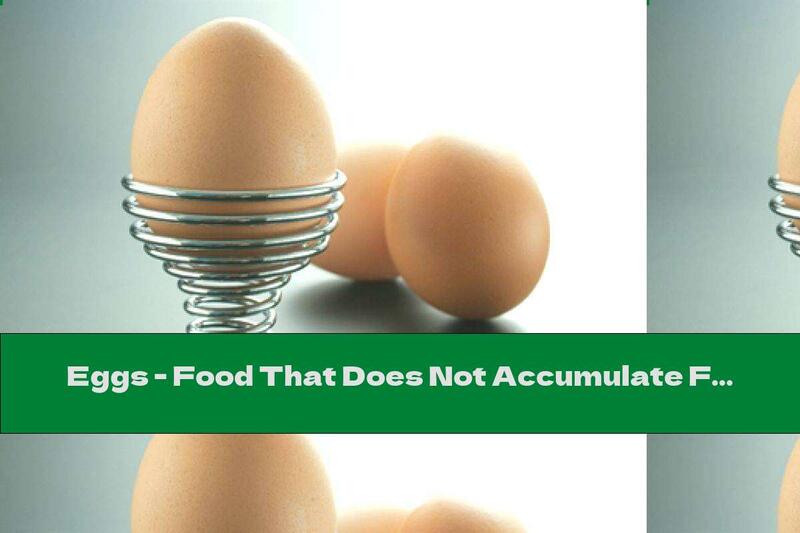
Two eggs are enough to saturate and at the same time provide important B vitamins for the body.
Eggs are one of our main foods, which we get used to from infancy and not by chance. This beloved product, especially by men, contains valuable nutrients and is useful not only for the desire to gain muscle mass . In fact, eggs are a necessary product for women who are often tormented by their figure and want to lose weight again.
However, eggs are valuable for ladies, as well as for others, not only because of their ability to saturate with a small amount.
A medium-sized egg contains about 0.24 mg, or one-fifth of the daily recommended dose, of vitamin B 2., also known as riboflavin. It is essential for us to receive energy from the food we eat, maintain our skin and have an attractive facial appearance.
Another vitamin from the same group that we can provide to our body with an omelet is B 12 . Its supply is vital for our RNA and DNA, the metabolism of fats and proteins in the body. Urea is good not only for the skin, but also for the eyes, heart and liver. One medium-sized egg provides about 27% of the recommended daily allowance of the vitamin.
For RNA and DNA, our body also needs folic acid (vitamin B 9). The same that is recommended and prescribed to expectant mothers and women planning a pregnancy in the prevention of neural tube defects. The vitamin also plays an important role in the formation of red blood cells. Its amount in eggs is more modest, but also good - about 6% of the daily recommended dose.
With one egg we get about 15% of the daily dose of vitamin B 5 , which is also involved in the process of releasing energy from food, as well as the formation of certain hormones and cholesterol.
Although in smaller quantities, eggs contain fat-soluble vitamins A and D (about 5% each) and vitamin E (about 2%), as well as vitamins B 1 and B 6 .
Beneficial nutrients, as well as cholesterol and fats, are found in the yolk.
Despite the high content of cholesterol , even the daily consumption of eggs does not affect its values in the blood, experts say. Only one third of the yolk fat is saturated, the greater proportion are useful monounsaturated and polyunsaturated fatty acids. Cholesterol is about 186 mg.
The total amount of fat in the egg reaches 4.8 g, while the protein is about 6.3, and carbohydrates are almost absent - they are less than 1 year.
One egg has 72 kcal, and only the yolk is 55 kcal. It usually takes only two eggs to feel full, which makes them a suitable product for weight loss.
Related Articles
- Nutrition for Respiratory Health: Supporting Your Lungs with the Right Foods
- The Ultimate Guide to High Gluten Foods: Benefits, Sources, and Recipes
- The Ultimate Guide to High Gluten Foods: Effects, Benefits, and Recipes
- The Ultimate Guide to Lactic Acid in Nutrition: Benefits, Food Sources, and Recipes
- The Nutritious World of Wendy's Salads: A Healthy Fast Food Option
Top Nutrition Articles Today
- . Breakfast Pizza
- . 7 Foods That Stimulate The Release Of Serotonin And Dopamine
- . The Ultimate Guide to Metataric Acid in Nutrition: Sources,...
- . The Truth About Potato Chips: Health Effects and Alternative...
- . Calories In A Piece Of Bread
- . Sardines - Good For Bones
- . Health Benefits Of Vitamin C
- . Night Nutrition: Importance, Benefits, and Best Foods to Eat
- . Sushi For Beginners. How Easy It Is To Spin Sushi Rolls
- . When Is It Better To Eat Fruit?