Healthier With Eating By Color
 Author: Joe Fowler
Time for reading: ~2
minutes
Last Updated:
August 08, 2022
Author: Joe Fowler
Time for reading: ~2
minutes
Last Updated:
August 08, 2022
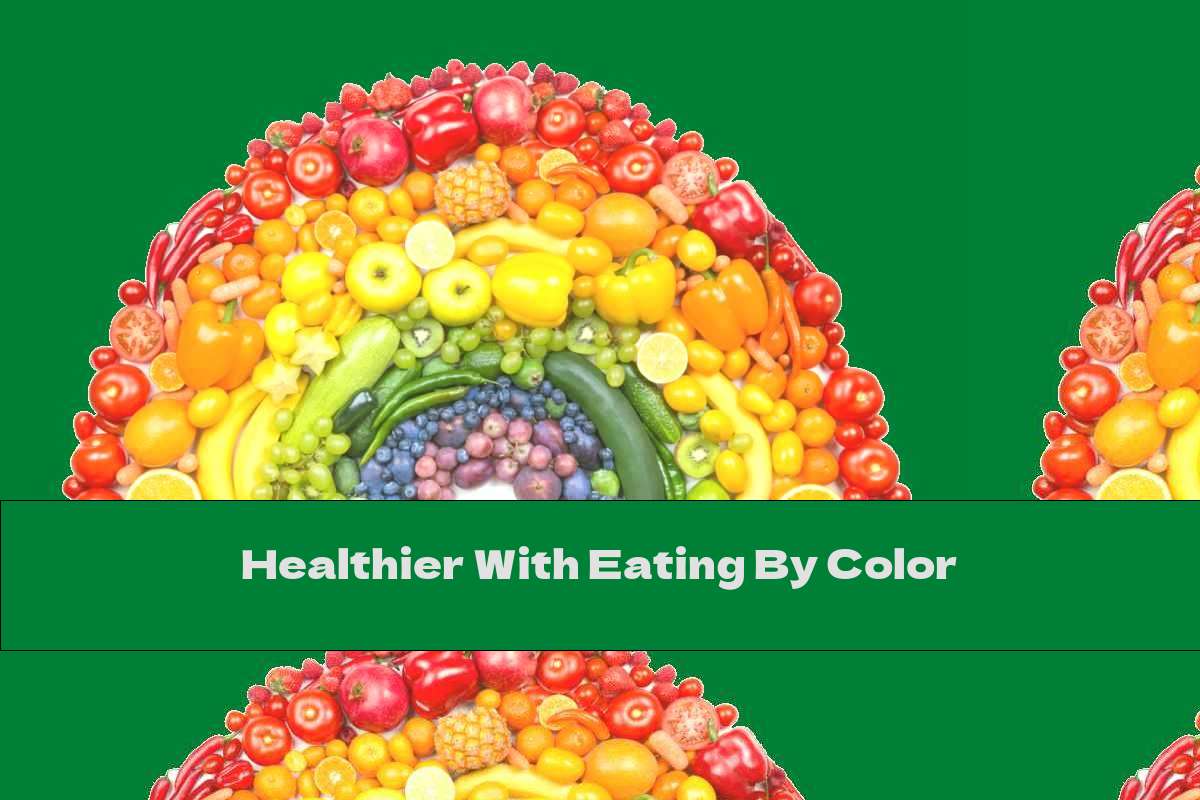
By eating the colors of the rainbow we can get different groups of vitamins and minerals
At the end of winter, it is good to start a healthy diet to cleanse ourselves of toxins and get back in shape. There are various options with which we will lose weight, but it is important that this is not at the expense of health. Eating by color is very suitable for this time. According to the US Department of Agriculture, if implemented properly, this regime can prevent heart disease, hypertension, diabetes, reduce the risk of cancer.
The basic rule is to divide the food according to the seven colors of the rainbow. In addition to the vitamins and minerals they contain, colored foods can improve our mood.
Color nutrition is very similar to the monodiet, which to some extent follows the principles of separate eating. White, green, red, orange, purple, yellow. These colors distribute food from Monday to Saturday, and Sunday is considered an unloading day in which we should drink only water and tea. If we eat like this for 1 month, we will not only load our body with a lot of phytonutrients, but we will also lose between 2 and 4 kilograms (depending on the structure of each).
Here's how food colors correspond to different nutrients:
Yellow and orange
Food has certain colors based on the vitamins it contains. The yellow and orange hue of fruits and vegetables is due to the carotenoids that are associated with:
Better vision
Stronger immune system
Healthier heart
Reduced risk of cancer
The best known carotenoid is beta-carotene, which helps the body absorb vitamin A. Potassium, bromine, folic acid and vitamin C are the most important elements found in yellow and orange fruits and vegetables.
Purple, red, blue
Foods with blue, red or purple colors often have anthocyanins, which are known for their antioxidant properties. These pigments protect the body from free radicals and can also help prevent:
Stroke
Cancer
Macular Degeneration
Heart Disease
Memory Problems
Red foods usually contain lycopene, in addition to anthocyanins. This pigment protects against stroke.
Purple, blue and red fruits and vegetables contain useful minerals and vitamins, including:
Folic Acid
Potassium
Vitamin C
Foods with these colors help with vision problems, urinary tract infections and immune problems.
Green
The green hue of fruits and vegetables comes from the substance chlorophyll. Lutein is also common in them. It has been proven that the substance takes care of our vision. Other substances in green foods are:
Vitamin C and K
Folic acid
White
White foods contain allicin and polyphenols, which have an antioxidant effect. These substances reduce the risk of cancer and heart disease.
White foods also contain:
Potassium
Vitamin C
Niacin
Folic Acid
Riboflavin
Nutrition experts recommend an average of 5 servings of fruits and vegetables a day, which can be distributed according to the colors of the rainbow. If we need unloading, but we can't last 1 month, we can just try 1-2 weeks, which will also have a good effect on our body.
Related Articles
- The Ultimate Guide to Hickory Smoked Bacon in Nutrition and Healthy Eating
- Nutrition for Respiratory Health: Supporting Your Lungs with the Right Foods
- Nutritional Benefits of Pizza: Key Nutrients, Healthier Options, and Recipes
- The Ultimate Guide to Nutritional Eating: Importance, Key Nutrients, Benefits, and Recipes
- The Ultimate Guide to Creating a Well-Balanced Diet Plan
Top Nutrition Articles Today
- . Nutrition In Hyperopia (farsightedness)
- . How To Cook Lunch For School: Pizza, Salad, Raw Candy, Pear,...
- . What To Cook With Sweet Potato
- . The Role of Nitrogen in Nutrition: Importance and Sources
- . 5 Recipes For Potato Casserole In The Oven
- . Understanding Cholesterol in Nutrition: Impact, Types, and R...
- . Cooking A Festive Dinner In A Slow Cooker
- . How To Fry A Potato With A Crust
- . How To Make Easy Potato Salad
- . Nutritional Benefits of Fruit Skewers in Honey Syrup: A Heal...