How Does Overeating Affect The Body?
 Author: Joe Fowler
Time for reading: ~1
minutes
Last Updated:
August 08, 2022
Author: Joe Fowler
Time for reading: ~1
minutes
Last Updated:
August 08, 2022
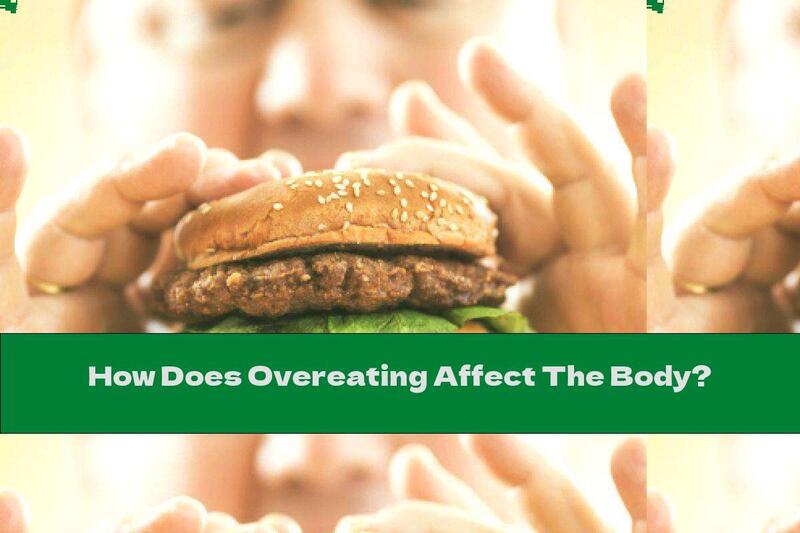
The food consumed remains in the stomach from a few minutes to several hours, depending on its type and quantity.
Overeating, generally speaking, is the consumption of larger amounts of food than the energy we can expend. When we lose control over the consumption of unusually large amounts of food, we can talk about a tendency to overeat. Episodes of uncontrolled eating can be a symptom of compulsive overeating.
The size of the stomach is the size of our fist. And when we "stuff" it with an excessive amount of food, it expands beyond its natural capacity, which invariably causes a feeling of heaviness and discomfort.
When food is delicious, we often not only overeat but also eat at a fast pace. This causes more air to be swallowed, resulting in hiccups and belching. Carbonated drinks can also cause belching. An enlarged stomach can compress the lungs, causing shortness of breath.
A full stomach also makes it difficult to close the valve that separates it from the esophagus. This causes the stomach contents to return to the esophagus, resulting in a burning sensation in the chest area. The condition is known as heartburn.
The food we eat stays in the stomach for a few minutes to a few hours, depending on the type and amount. For example, a relatively small portion of food with moderate fluid intake takes about 2-3 hours to leave the stomach. With large amounts of high-fat foods, digestion can take between 6 and 8 hours.
The consumed food gradually passes into the small intestine, where it is processed for several hours.
Overeating affects organs such as the stomach, gallbladder, liver, kidneys, heart and more. After a hearty meal, the body needs to work harder to cope with the load.
Related Articles
- Nutrition and Gas: How Your Diet Affects Digestive Health
- Nutrition and Gas: How Your Diet Affects Digestive Health
- Nutrition and Gas: How Your Diet Affects Digestive Health
- Nutrition and Gas: How Diet Affects Digestive Health
- The Nutritional Benefits of a Kiss: Boost Your Health with a Simple Gesture of Affection
Top Nutrition Articles Today
- . Calcium In Lentils
- . How To Cook Puff Pastry Hot Dog Pie - Recipe
- . The Nutritional Benefits of Scotch: Improving Cardiovascular...
- . The Power of Red Foods: Health Benefits and Nutrition Guide
- . Nutrition Boost: Functional Properties in Muffins for Health...
- . Diet After Surgery Of The Small And Large Intestine
- . The Ultimate Guide to Using Ammonium Carbonate in Baking
- . The Ultimate Guide to Creating a Well-Structured Diet Plan f...
- . Understanding Raising Agents E450, E500, E501 in Nutrition:...
- . The Ultimate Guide to Non Starchy Carbs: Benefits, Examples,...