Low Fat Diets Are Bad For Your Heart
 Author: Joe Fowler
Time for reading: ~2
minutes
Last Updated:
August 08, 2022
Author: Joe Fowler
Time for reading: ~2
minutes
Last Updated:
August 08, 2022
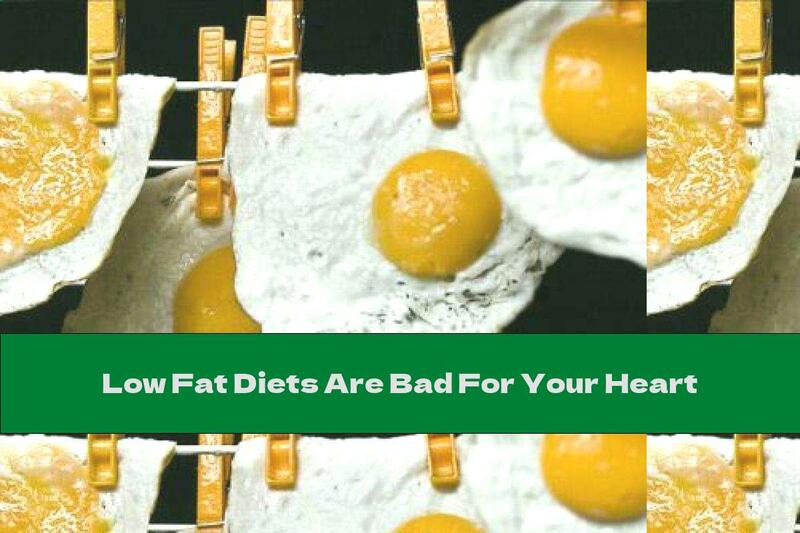
In this article, learn more about Low Fat Diets Are Bad For Your Heart. The better option is to select fats, not just reduce them ....
Low-fat diets protect against cardiovascular disease only if you take in useful fatty acids , experts say.
Researchers warn us to be careful when sticking to low-fat diets, even as a measure of a healthy heart. Avoiding fats does not prevent the development of cardiovascular disease, they argue. Instead of simply limiting fats, they should be properly selected. It is better to focus our efforts on adhering to a healthy diet to ensure the constant presence of healthy fats on our table than to avoid their use.
One of the largest studies on heart disease conducted by the University of Cambridge shows that consuming omega-6- rich foods reduces the risk of heart problems, unlike those who exclude healthy fats from their diet. It involves 25,000 people between the ages of 40 and 79, whose health has been monitored for a period of 13 years. The first screening studies began in 1995.
The study found that the highest risk of heart disease was in those who consumed a lot of saturated fat and a little omega-6, about half of those included in it. The next risk factors for coronary heart disease are obesity and smoking.
According to study leader Prof. K-Ti Khau, it is not enough for doctors to simply advise patients to reduce fat, but to teach them which fats to replace with which .
To conclude, the research team measured 20 types of fatty acids in the blood , which was impossible until recently. From the screening, the researchers found out exactly which fatty acids predispose to cardiovascular disease.
Saturated fatscontained in cheese, yellow cheese, pastries and some confectionery. When consumed in excess, they increase blood cholesterol, which carries a risk for the heart. Experts recommend not to consume more than 30 g of saturated fat per day for men and 20 g - for women. However, we usually consume one-fifth more than the recommended daily dose. To avoid overloading the body with this type of fat, we can replace them with omega-6, suggests Prof. Khau. These are found in avocados, eggs, trifles, sunflower and corn oil.
The beneficial omega-3s (which are rich in fatty fish) and the monounsaturated fats (accumulated in olive oil), which have been recommended for so many years as good for the heart, did not actually show such an effect in the study.
According to the British Ministry of Health, the link between saturated fat, cholesterol and cardiovascular disease is well studied and known, and the results of this scientific work only once again prove the need to limit saturated fat in the menu.
The research team argues for the benefits of the fat balance we need to include in our diet in an article in the journal PLoS Medicine. There, the lead author hints that one can look for ways in which certain genetic factors affect the metabolism of various fats in the body. There is definitely more to learn in this direction ...
Related Articles
- Nutrition for Respiratory Health: Supporting Your Lungs with the Right Foods
- Nutritional Benefits of Chowmein: A Healthy Addition to Your Diet
- The Ultimate Guide to Carbs in Nutrition: Types, Diets, and Recipes
- The Power of Thiamine: Importance, Sources, Deficiency, and Diets
- The Role of Yeast in Nutrition: Benefits, Diets, and Recipes
Top Nutrition Articles Today
- . 30 Grams Of Carbs
- . Steroids in Eggs: Separating Fact from Fiction | Nutrition a...
- . Understanding Acidity Regulators in Nutrition: Types, Benefi...
- . Are Simple Sugars The Culprits For Most Diseases
- . Black Chickpeas Nutrition
- . Nutrition In Urethritis (inflamed Urethra / Urethra)
- . The Power of 100% Cocoa Dark Chocolate: Benefits and Uses
- . Breastfeeding A Baby With Low Blood Sugar
- . Flatizza: A Healthier Alternative to Traditional Pizza
- . How To Cook Caramel Cream Mousse (for Cakes And Pastries) -...