Nutrition And Hepatitis C - What We Need To Know?
 Author: Joe Fowler
Time for reading: ~3
minutes
Last Updated:
August 08, 2022
Author: Joe Fowler
Time for reading: ~3
minutes
Last Updated:
August 08, 2022
Among the most loyal allies in the fight against hepatitis is the favorite coffee, which slows down the development of liver disease.
Improving and changing the diet of people with hepatitis C aims to facilitate and improve the work and function of the liver .
The diet does not aim to directly fight the virus, but a healthy diet strengthens the immune system , which increases the body's resistance to infection.
First of all, it is necessary to avoid eating foods that burden the liver.
The use of alcoholic beverages is prohibited, as the damaged organ experiences serious difficulties in the processing of alcohol , which leads to intoxication of the body. You should stay away from any fats and fried foods at the expense of carbohydrates and proteins , minimizing exercise and sports, because they negatively affect the recovering liver.
Contrary to expectations, the more varied the food and everything in it, the more likely the diseased organ is to absorb and process it without problems. If a person goes to extremes in the diet, for example, starts eating mainly fruit, then he is more likely to burden his liver and get worse.
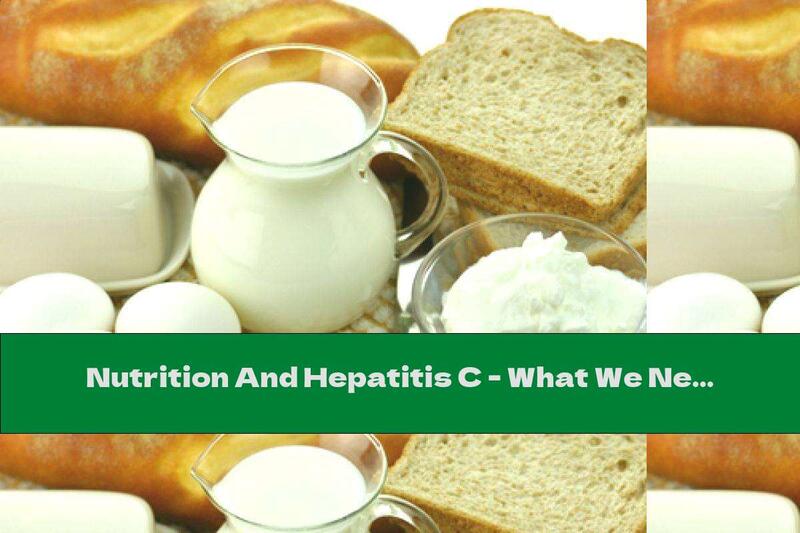
Moderate protein intake (as recommended by the Food Pyramid) should be a normal part of your diet. If you are concerned about fat content, choose low-fat protein sources. Protein restriction is recommended only in patients with cirrhosis who have encephalopathy (mental state of confusion).
Most experts recommend that people with chronic hepatitis avoid eating raw or semi-raw mollusks .
Factory foods may contain chemical additives as well as high levels of sodium, which is why it is recommended to reduce the consumption of canned and frozen foods , as well as foods from fast food restaurants.
Green vegetables should also be eaten . All meat, vegetables and fruits must be washed to remove hazardous residues from their surface, and hands must be washed before and after work and food processing.
Chew food well and eat more often, but in smaller amounts. In this way you will have better control over the level of change in your blood sugar levels , as well as you will receive energy from food more evenly during the day.
Slow eating helps to awaken the parasympathetic part of the autonomic nervous system. The parasympathetic nervous system is responsible for the proper secretion of various digestive juices by stimulating the motor and secretory function of the digestive tract.
Drink plenty of water every day, but do not drink a lot of fluids with food, as it dilutes gastric juices, which are very important for good digestion.
Consumption of grapefruit in combination with medication should be avoided ! Numerous published studies show that this fruit blocks the breakdown of drugs in the body and their excretion in the body.
Consumption of carrots in people with damaged liver can lead to hypervitaminosis A. Large amounts of accumulated vitamin A in the body can lead to steatofibrosis (damage to the liver due to accumulation of fat in it), and in some cases to cirrhosis.
No more than 2,500 units of vitamin A should be taken per day, otherwise it becomes toxic .
During interferon treatment , protein synthesis in the body is blocked. Therefore, it is recommended that people on interferon treatment eat more meat, cheese, cottage cheese, yogurt, thus affecting the level of leukocytes and hemoglobin. Lack of protein in the diet during treatment can aggravate the symptoms of the treatment itself and lead to faster fatigue and exhaustion in treated patients.
And more - among the most loyal allies in the fight against hepatitis is your favorite coffee , which you can consume in unlimited quantities! Moreover - experts recommend at least two glasses of black drink a day and this is not accidental - because it has been proven to slow down the development of liver disease.
According to a recent study by the American National Cancer Institute, the recommended two glasses reduce the risk of worsening in chronic hepatitis C or other advanced liver disease by 53% compared to patients who do not drink the hot drink.
The authors of the study propose two hypotheses about the observed effect of coffee - it reduces the risk of type 2 diabetes, often associated with liver disease and inflammation, which is the cause of liver cirrhosis.
Related Articles
- The Ultimate Guide to Hickory Smoked Bacon in Nutrition and Healthy Eating
- Fruitskewers in Honey Syrup: Nutritional Benefits and Recipes
- The Ultimate Guide to Buffer 500 in Nutrition: Benefits and Usage
- Nutritional Benefits of Fruit Skewers in Honey Syrup: A Delicious and Healthy Recipe
- Nutrition Guide: Fruitskewers in Honey Syrup - Benefits, Recipes, and More