Peaches - To Improve Digestion
 Author: Joe Fowler
Time for reading: ~1
minutes
Last Updated:
August 08, 2022
Author: Joe Fowler
Time for reading: ~1
minutes
Last Updated:
August 08, 2022
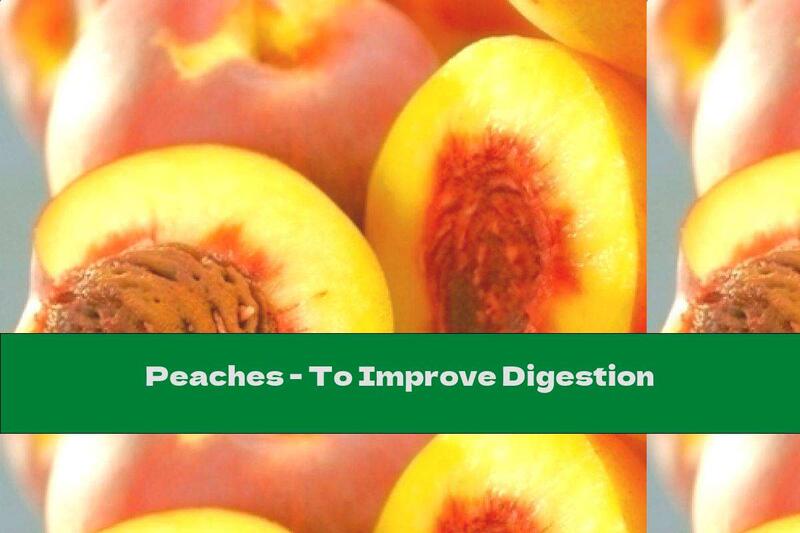
The juicy fruit helps with constipation and heartburn; enhances the secretion of gastric juices and improves digestion of fatty foods.
Peach is one of the most delicious, fragrant and refreshing summer fruits.
80-90% of the content of the fruit is water. It contains saccharides, vitamin C and minerals such as iron, phosphorus, manganese, copper, zinc and selenium .
In order to take full advantage of the valuable qualities of the fruit, we must consume it ripe and slightly soft . If the skin of the peach wrinkles, it means that the fruit loses its useful properties.
Easily digestible peach starch helps to improve the digestive process .
According to research, eating peaches is good for bowel function and to stimulate bile .
The juicy fruit helps with constipation and heartburn ; enhances the secretion of gastric juices and improves digestion of fatty foods.
Due to the presence of potassium, peaches are also recommended for people with heart rhythm disorders .
Consumption of peaches is also recommended for anemia , as the fruit also contains iron.
Regular eating of well-ripened peaches is also good for eyesight .
Peach contains 3/4 of the daily dose of vitamin C , as well as vitamins of B group , folic acid, vitamin E , K , and carotene and pectin. The stone of the fruit is a valuable source of the rare vitamin B17 .
Consumption of peaches has a beneficial effect on the body and gout, rheumatism, kidney disease . Recommended for cardiovascular problems, liver and bile diseases.
Due to the magnesium content, peaches improve emotional balance , reduce stress and increase mood.
Peaches are also low in calories - they contain 40 kcal per 100 g .
Related Articles
- The Ultimate Guide to Diet ��� 7 for Improved Nutrition
- Buffer 500: Benefits, Recipes, and More for Improved Nutrition
- The Role of Water in Nutrition: Importance, Hydration, Digestion, and More
- The Ultimate Guide to Vegan Health Benefits: Improve Your Well-Being with a Plant-Based Diet
- The Ultimate Guide to Bread Improver: Types, Benefits, and Recipes
Top Nutrition Articles Today
- . The Role of Disodium Diphosphate in Nutrition: Functions and...
- . Nutrition and Aneurysm: Reducing Risk Factors and Supporting...
- . Potato Season: 12 Cool Potato Recipes
- . What To Cook With Sweet Potato
- . How To Freeze Quince
- . Nutritional Benefits of Boiled Cod: A Healthy and Delicious...
- . Nutrition Guide: Fruitskewers in Honey Syrup - Benefits, Rec...
- . The Complete Guide to E339ii in Nutrition: Benefits, Regulat...
- . The Role of Preservatives in Nutrition: Types, Benefits, Con...
- . The Ultimate Guide to Potassium Nitrate in Nutrition