Power Supply Rules
 Author: Joe Fowler
Time for reading: ~3
minutes
Last Updated:
August 08, 2022
Author: Joe Fowler
Time for reading: ~3
minutes
Last Updated:
August 08, 2022
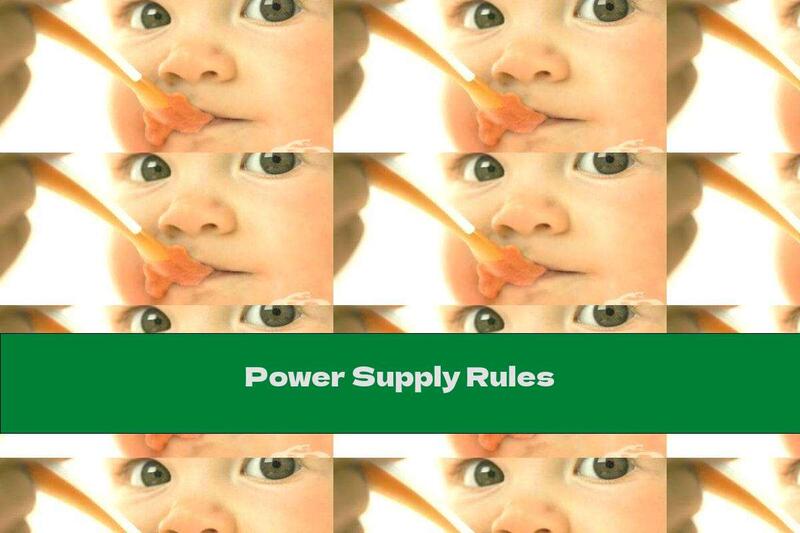
Feeding is an important part of a baby's development, so it should be given the necessary attention. There are rules associated with this process that every mother should know. In this article you will
Feeding is an important part of a baby's development, so it should be given the necessary attention. There are rules associated with this process that every mother should know. In this article we will introduce you to them, we offer you some tips that will help you in nourishing your treasure.
1. The child should not be fed before the age of 4 months. Early feeding carries risks of choking and getting food into the lungs, developing food allergies, introducing harmful products to the child's body (nitrates, pesticides and other contaminants) and can lead to early weaning. Later feeding can also cause problems - inadequate intake of nutrients and energy leads to hypovitaminosis, iron deficiency anemia, zinc deficiency and other trace elements, disrupts the normal processes of growth and development. Feeding after the 6th month leads to the creation of improper eating habits, children find it more difficult to get used to the new taste and texture of food and the development of the masticatory reflex is impaired.
2. At the beginning of the feeding the child should not take products containing gluten (wheat, barley, rye or oatmeal), due to the risk of developing celiac disease (gluten intolerance). Porridges containing corn flour, rice and gluten-free wheat can be given. In addition to such foods, the child should not eat highly allergenic such as fish, strawberries, tomatoes and oranges , especially in the presence of a family history of allergic diseases.
3. The introduction of novel foods must be gradual due to the fact that they are more difficult to digest than milk and the child must be given the opportunity to adjust to their absorption. Eating more food can cause stomach discomfort or upset.
4. When feeding, the baby should be healthy. Diseases in children lead to reduced secretion of digestive enzymes, which disrupts the digestion and absorption of food. If this is the case, it is better to temporarily stop giving new products. Once the child recovers, they are introduced into his menu very carefully and gradually. Premature babies and those born with low birth weight are fed later and after consultation with a pediatrician.
5. In the beginning the food is given with a spoon. It starts with 1-2 teaspoons and in the following days the amount increases and in about 10 days you reach a whole portion to replace one breastfeeding. The next new food can be included in the menu after about two weeks.
6. If the child starts vomiting, diarrhea or a rash appears on the body, the food that caused these ailments should not be offered to the baby. Also, he should not be forced to accept certain types of products that he does not like. After 3-4 days you can offer them again or replace them with another type suitable for this age. During illness, the amount of fluid intake should be increased and the child should be given his favorite foods.
7. Before opening the finished puree, the jar should be washed with clean soapy water and warmed in a bowl of warm water. The lid should crack when opened. This is definite proof that the jar is hermetically sealed and the food is sterile. No additional salt or sugar is added to ready-made baby foods. Do not use the rest of them at the next meal.
8. Mature, fresh, undamaged and ecologically clean products are used for preparation of purees and juices. Thus the child receives quality food rich in vitamins. This avoids the risks of indigestion and some infections and intoxications.
9. The child should not eat from his parents' plates. Every healthy person can be a carrier of pathogenic microorganisms. Flies and other insects should not be allowed on the child's food. They can be carriers of dangerous infections.
10. Be extremely patient and do not rush while your child is eating. Talk to him and maintain eye contact.
Related Articles
Top Nutrition Articles Today
- . Which Foods Protect Against Cancer?
- . The Power of Mushrooms: Nutritional Benefits and Delicious R...
- . List of Foods that Contain Carrageenan: A Guide to Avoiding...
- . The Content Of Vitamins In Apples: Calories, Health Benefits...
- . Carbohydrates In Wheat And Rice
- . How To Cook Roast Pork Ribs With Honey, Lemon And Ginger - R...
- . Don't Eat These Foods If You Don't Want To Get Angry
- . The Power of Beef Bones: Nutrition, Benefits, and Recipes
- . The Role of Monosodium in Nutrition: Benefits and Controvers...
- . Chicory: 15 Health Benefits, How To Drink, Contraindications...