What Are Food Additives? Continuation
 Author: Joe Fowler
Time for reading: ~1
minutes
Last Updated:
August 08, 2022
Author: Joe Fowler
Time for reading: ~1
minutes
Last Updated:
August 08, 2022
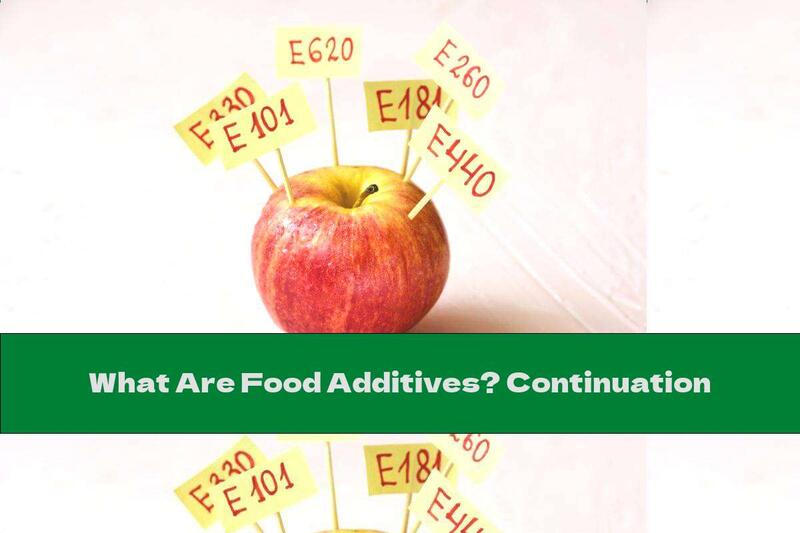
Food additives maintain their texture, color and appearance as they are when fresh.
It has already become clear that food additives improve their taste, aroma and increase their shelf life.
Colorants are other additives that are widely used in the food industry. They can also be from natural sources or artificially synthesized. They are characterized by the fact that they are used mainly in ultra-processed foods.
Natural colorants such as beet juice (which gives a red color), beta carotene (which makes a yellow color) and caramel (brown color) are commonly used colorants that are safe and preferred by consumers. One of the synthetic dyes - tartrazine (gives a yellow color) is also very often used. However, it has been reported to cause allergic reactions in some people and its presence in food must be noted.
Vitamins and other nutrients . Vitamin E is traditionally added to foods containing fat to protect them from rancidity. Vitamin C is often added to some foods such as frozen fruits, powdered milk, apple juice, sodas, candies and meat products due to its antioxidant activity. Iodine, calcium, vitamin D, folic acid are also added to some foods. The aim is to increase the nutritional value of the products and to prevent some diseases. For example, table salt is enriched with iodine to prevent thyroid disease.
Enhancers - they maintain the desired consistency and appearance of the products. For example, calcium chloride is added to canned tomatoes to prevent them from breaking down. Stabilizers, they are added to foods to maintain the desired consistency and color of the products.
Emulsifiers help fat to dissolve in food. Thickeners are used to absorb water and to keep complex mixtures of water, oil, acids and solids in a stable state. Natural thickeners are pectin , alginate and carrageenan. Humidifiers - they maintain the desired humidity of food to have a pleasant texture. Glycerin, sorbitol and propylene glycol are commonly used.
Related Articles
- Nutrition for Respiratory Health: Supporting Your Lungs with the Right Foods
- The Ultimate Guide to High Gluten Foods: Benefits, Sources, and Recipes
- The Ultimate Guide to High Gluten Foods: Effects, Benefits, and Recipes
- The Ultimate Guide to Lactic Acid in Nutrition: Benefits, Food Sources, and Recipes
- The Nutritious World of Wendy's Salads: A Healthy Fast Food Option
Top Nutrition Articles Today
- . Steak Label
- . Healthy Food For Modern Man
- . Sea Buckthorn: Health Benefits And Harms
- . The Diet �������� 7: A Comprehensive Guide to Nutrition and...
- . Amino Acids in Nutrition: Importance, Types, and Optimizatio...
- . How To Know The Real Ice Cream?
- . The Importance of Micronutrients in Chicken: A Complete Guid...
- . The Truth About Potato Chips: Health Effects and Alternative...
- . The Ultimate Guide to Calcium Inosinate in Nutrition: Benefi...
- . How To Fry Porcini Mushrooms