What To Consume And What To Avoid Before Drinking Alcohol
 Author: Joe Fowler
Time for reading: ~2
minutes
Last Updated:
August 08, 2022
Author: Joe Fowler
Time for reading: ~2
minutes
Last Updated:
August 08, 2022
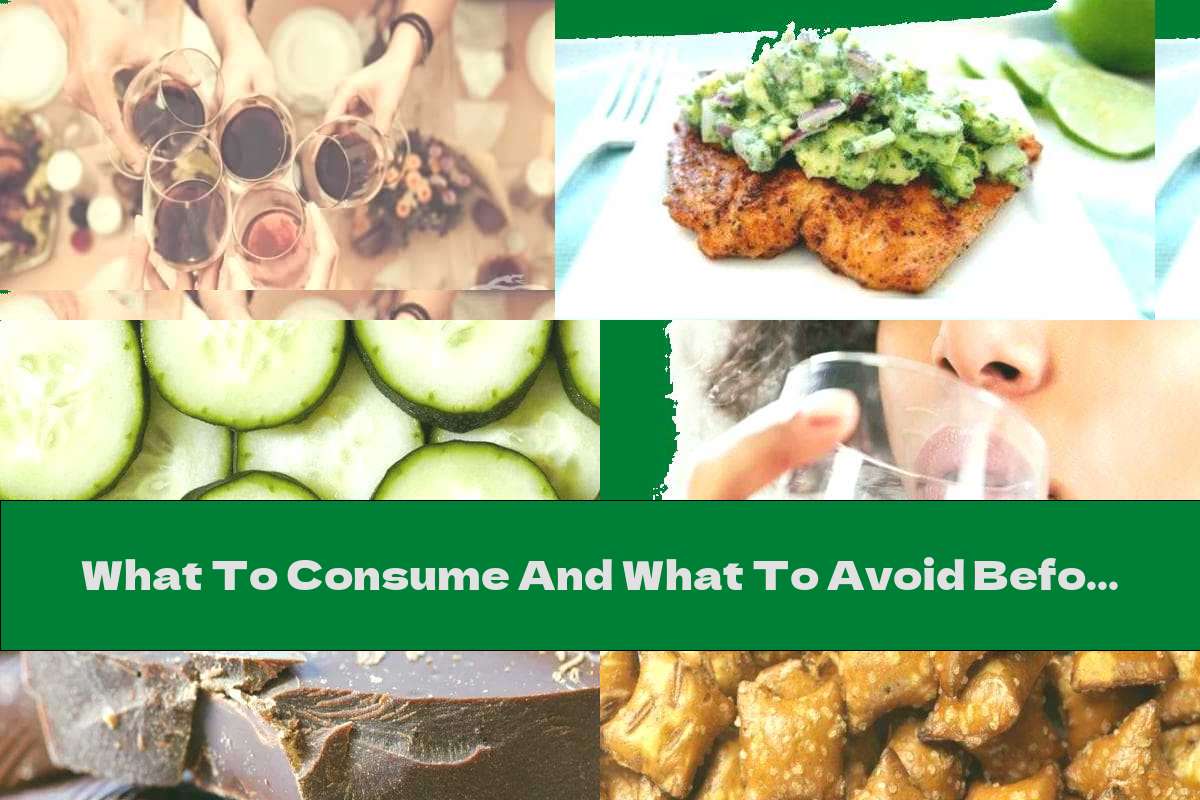
In this article, learn more about What To Consume And What To Avoid Before Drinking Alcohol. The most suitable foods and drinks if you plan to drink alcohol.
There is no doubt that alcohol can make a "number" of your body. Puffiness, headaches and hangovers go hand in hand with alcohol when you overdo it. But there are a few precautions you can take before drinking alcohol to reduce the risk of the above ailments. Here's what to eat and what to skip to prepare your body for Easter.
Healthy foods and drinks:
Protein and healthy fats
Food in your stomach has a direct effect on how quickly alcohol reaches your head. With more food in the stomach, it will be absorbed more slowly and you will not feel the effects of it for a long time. When you drink hungry, you will quickly feel dizzy, but if you consume alcohol with food, or before, you will not get drunk so quickly.
Although any food is actually beneficial, there are some dishes that are preferable, namely protein and fat - they slow down the absorption of alcohol. It is best to make a portion that contains protein, healthy fats and vegetables, and why not try this recipe?
Fruits and vegetables
Most people do not like fruits and vegetables, but they are a very good choice if you intend to indulge in adult drinks. This is because they are a great way to stay hydrated. Fruits and vegetables provide the antioxidants and vitamins you need to stay healthy, but they also contain plenty of water. Cucumbers and celery are the most hydrating, and to make them even tastier, you can try them with hummus.
Water
Even if you have refilled your food before going out, you need to stay hydrated during the party. It is best to alternate the alcohol you have chosen with a glass of water, and even if you put an ice cube in the spirits, this will help you avoid a hangover and not drink too much.
And to find out if you are hydrated enough, you can easily find out the color of your urine - if it is dark, then you need more water.
Chocolate, tomatoes and spices
Here's another reason to eat before you go out: alcohol on an empty stomach can cause irritation, which leads to acid reflux, especially in people who often suffer from heartburn. Tomatoes, chocolate and spices also have a similar effect, and in combination with alcohol, the chance of such irritation increases many times over. Carbonated drinks and fried foods can also cause reflux, so it's a good idea to avoid them as well.
Salt
If you overdo the packaged processed foods before drinking, you may find yourself swollen and puffy. Swelling is not only visually unpleasant, but it will make you feel heavy, which in turn will make you stop drinking water, which leads to dehydration - something you do not need while consuming alcohol.
Caffeine
You've certainly gone to a party, but you're very tired and then, of course, you think about coffee. In fact, caffeine and alcohol do not mix, ie. coffee will give you the feeling that you are well and you will continue to drink more than you need. In addition, it may "lie" to you that you are sober and you decide to drive, for example. So you better avoid caffeine if you don't want to overdo it with alcohol.
- A short guide to eating during cardio and strength training and on recovery days
- Five food groups that regulate blood triglyceride levels
- Foods that fight chronic inflammation
- What food to focus on in the fall
Related Articles
- The Nutritional Value of Bud Light: Calories, Alcohol Content, and More
- The Truth About E477 in Food: What You Need to Know
- The Nutritional Value of Potato Chips: What You Need to Know
- The Nutritional Value of Lays Potato Chips: What You Need to Know
- E 631: What You Need to Know About This Food Additive
Top Nutrition Articles Today
- . One Meal a Day Menu: Benefits, Meal Planning, and Sample Men...
- . Nutrition In Cardiomyopathy
- . Sardines - Good For Bones
- . The Importance of Magnesium Chloride in Nutrition: Benefits...
- . 4 phases of digestion
- . Understanding Emulsifier E471: Functions, Health Concerns, a...
- . 7 Foods That Stimulate The Release Of Serotonin And Dopamine
- . The Power of 100% Cocoa Dark Chocolate: Benefits and Uses
- . List of Foods that Contain Carrageenan: A Guide to Avoiding...
- . The Ultimate Guide to Bolay Nutrition Calories: Balancing, M...