What To Eat After Tonsillectomy?
 Author: Joe Fowler
Time for reading: ~3
minutes
Last Updated:
August 08, 2022
Author: Joe Fowler
Time for reading: ~3
minutes
Last Updated:
August 08, 2022
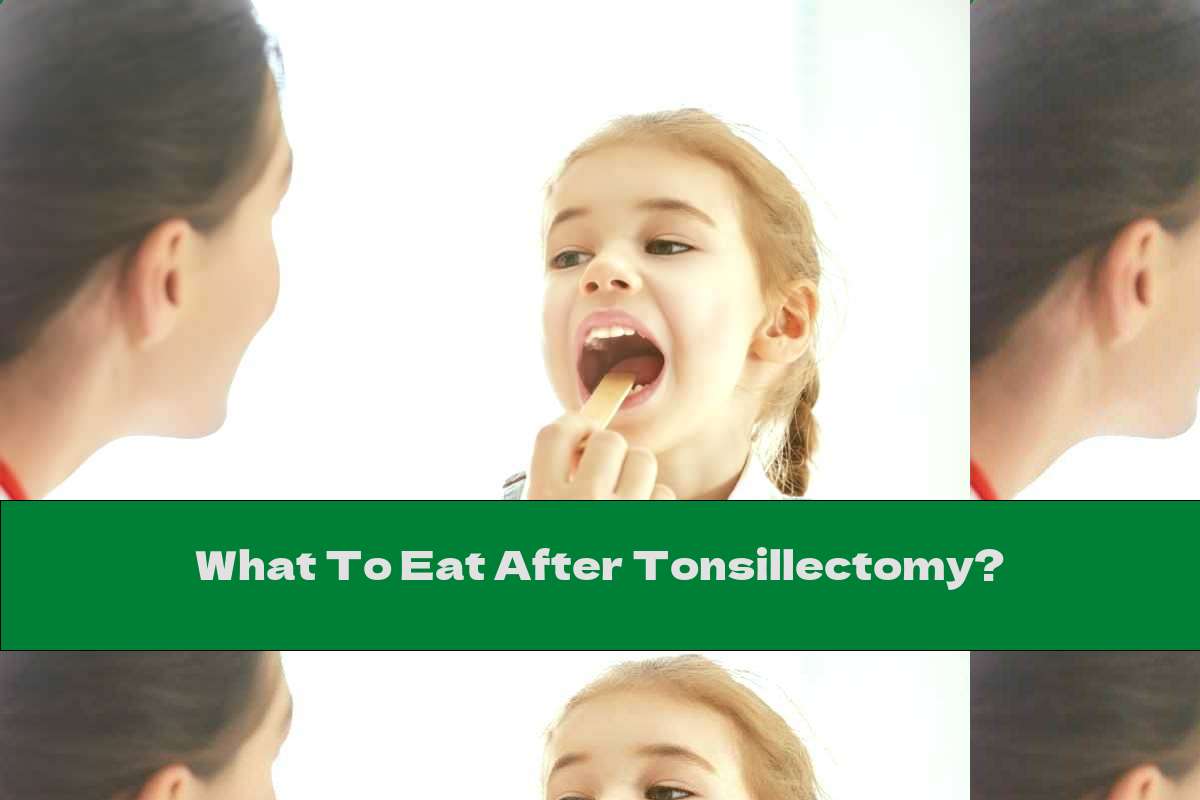
Tonsillectomy is a quick operation that has a long postoperative period requiring a special diet
Tonsils are lymphoid organs or accumulated lymphoid tissue. They prevent bacteria and viruses from entering the body by trapping them with their pores. They are one of the most problematic places in our body for both adults and children. They often become red, inflamed, and swollen. In case of frequent problems with the tonsils, the specialists recommend surgical removal.
The operation itself is fast and almost without complications, after its completion the patients experience pain. Open wounds make it difficult to swallow and eat in general. Usually on the first day after surgery, patients have no desire to eat, but should drink water. This requires a diet two to three weeks after surgery. In addition, after removal of the tonsils, the patient's immunity weakens, which is another reason to follow a special diet.
Immediately after the manipulation, feeding is impossible, even swallowing water is very difficult. The wounds begin to heal after about 5 days, and complete healing can be said after at least 2 weeks. Therefore, nutrition is essential for a speedy recovery. In children, the postoperative period is shorter and recovery is faster. However, they may refuse to eat because of the pain and sore throat . That is why children are often pampered with ice cream after tonsillectomy . Rest assured, it will not hurt. On the contrary, it will help heal and heal wounds. Ice cream should not be overdone, but many doctors recommend it immediately after surgery to relieve pain and harden the child's throat.
Water intake is important . Even if you do not eat, it is necessary to drink water every hour to an hour and a half. Dehydration of the body should not be allowed. Preferably the water is lukewarm.
On the second day after the operation , power should be started. The food intake should be in small quantities, liquid porridge and cold. In no case is the consumption of hot food allowed.
Porridge foods in the form of purees or soups without salt and other spices, semolina porridges, finely ground oatmeal prepared with fresh milk, non-sour fruits and vegetables in grated or mashed form are suitable .
Drinks should be cold or at room temperature, but not warmer. It is recommended that fresh milk be boiled and cooled beforehand. Yogurt is also a suitable food after surgery, if it does not cause the urge to vomit.
Solid, coarse foods that irritate the throat are prohibited throughout the recovery period . These are: hard bread, pies, side dishes, fruits, vegetables, fried foods, spices, coffee, tea, chips, salads, crackers, sunflower and pumpkin seeds. Avoid fruits and vegetables covered with flakes and hairs such as peaches, strawberries, raspberries, cucumbers, tomatoes, corn. Spicy foods and spices are also forbidden in the diet, they can irritate the wound and cause discomfort. Salt could also cause discomfort, so limit its amount to no more than 3-4 g.
Meat should not be stopped during the healing period. It is a valuable source of protein that will support the activity of the immune system. An important requirement is that the meat is mashed so as not to irritate the throat. A good option is chicken soup, cold and finely mashed. The diet also allows the intake of boiled and mashed potatoes, carrots and peeled zucchini.
Prohibited foods are: tomato juice, citrus fruits, hot foods and beverages, raw apples, spicy foods.
During the entire recovery period, which lasts about 2-3 weeks, the menu should include only liquid porridge. Solid foods are temporarily excluded from the diet, prepare mainly soups and porridges, and harder foods should be well mashed or mashed. The food should be at room temperature, not warmer. Too cold foods are also not recommended. Meals are good not to be abundant and to be at shorter intervals.