Additives In Sausages Increase The Risk Of Cancer
 Author: Alexander Bruni
Time for reading: ~1
minutes
Last Updated:
August 08, 2022
Author: Alexander Bruni
Time for reading: ~1
minutes
Last Updated:
August 08, 2022
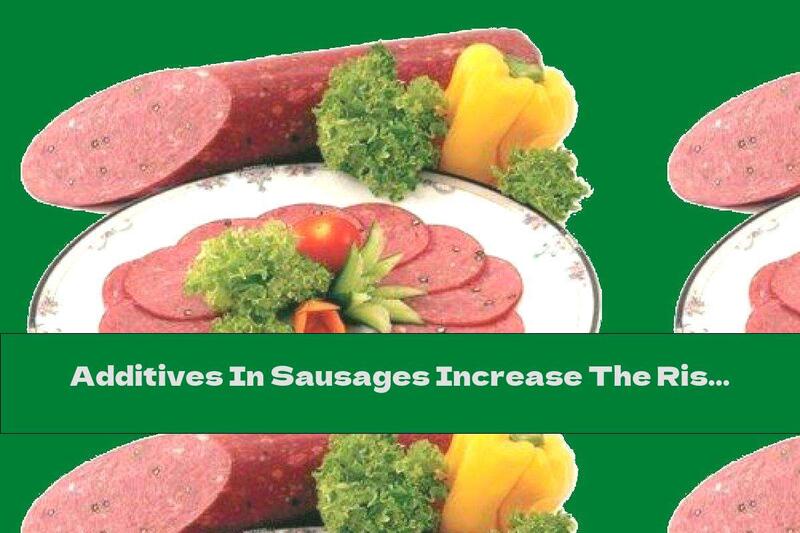
Nitrites, dyes and large amounts of salt used in meat processing increase the risk of bladder cancer by 30% ...
US scientists warn that frequent consumption of sausages and processed meat products increases the risk of cancer.
Additives such as sodium nitrite, colorants and large amounts of salt used in meat processing increase the risk of bladder cancer by nearly a third, experts warn.
To confirm their hypothesis, American scientists conducted a study among nearly 300,000 volunteers of both sexes between the ages of 50 and 71. Participants underwent medical examinations and answered questions related to their eating habits.
It has been found that people who regularly consume processed meat products have a 30% higher risk of urinary cancer.
The substances that give the sausages a good commercial appearance and taste react with stomach acids and form carcinogenic substances during the digestive processes.
In addition to the risk of cancer, regular consumption of sausages and bacon increases the risk of cardiovascular disease by as much as 42%, and increases the risk of diabetes by 19%.
Comparing the saturated fat and cholesterol levels of fresh red meat and sausages marketed in the United States, experts found similar values.
According to experts, the harm from eating sausages every day is due to the fact that processed meats contain 4 times more salt and 50% extra nitrates.
Doctors remind that a high-salt diet is one of the main causes of high blood pressure and a factor in cardiovascular disease. In addition, preservatives in nitrate-based sausages are a factor in atherosclerosis (thickening of the walls of the large arteries).
The study's authors urge people to be careful about what meat they eat.
Related Articles
- The Ultimate Guide to E120i (Carmine) in Nutrition: Benefits, Usage, Recipes, and Risks
- The Role of Additives in Nutrition: Types, Common Additives, Regulations, and Health Concerns
- The Role of Additives in Nutrition: Types, Common Additives, Health Concerns
- The Impact of Potato Chips on Health: Nutritional Content, Risks, and Alternatives
- The Ultimate Guide to E161 in Nutrition: Sources, Benefits, and Risks
Top Nutrition Articles Today
- . How To Cook Squid Salad With Cucumbers, Olives And Onions -...
- . What Foods Contain Gluten? List Of Gluten-containing Foods
- . Non Protein Enzymes
- . List of Foods that Contain Carrageenan: A Guide to Avoiding...
- . The Nutritional Benefits of Raisins for Brain Health
- . Lycopene In Carrots
- . The Role of Ice in Nutrition: Cooling, Hydration, and More
- . The Truth About Disodium Inosinate: Uses, Safety, and Altern...
- . The Ultimate Guide to Bicarbonate in Nutrition: Sources, Ben...
- . The 4 Day Diet: A Comprehensive Guide to Nutrition and Weigh...