Alcohol "drinks" Our Strength
 Author: Nia Rouseberg
Time for reading: ~1
minutes
Last Updated:
August 08, 2022
Author: Nia Rouseberg
Time for reading: ~1
minutes
Last Updated:
August 08, 2022
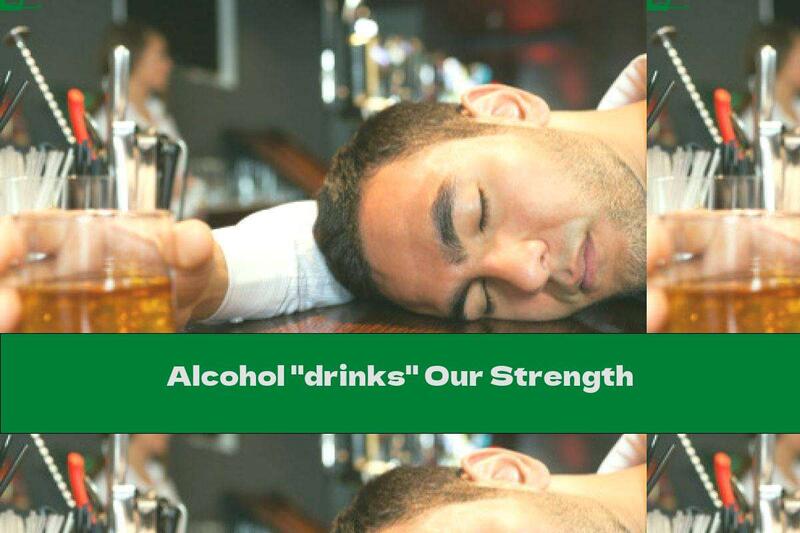
Evidence of a link between alcohol and muscle weakness has been found by researchers at Thomas Jefferson University in Virginia.
Evidence of a link between alcohol and muscle weakness has been found by scientists at Thomas Jefferson University in Virginia, according to the journal Cell Biology.
They report that overindulging in spirits is able to unlock the so-called. mitochondrial diseases . This is a group of more than 40 unidentified diseases that have different genetic characteristics.
The common factor between them is that mitochondria are not able to generate energy optimally.
By themselves, mitochondria could be classified as "cellular power plants ". They collect ready-to-decompose chemicals and oxygen.
There is a kind of combustion - it takes place at a normal body temperature of about 37 C ° and in the presence of water. Therefore, it is no coincidence that most alcoholics are weak and powerless .
It has been proven that one gram of alcohol brings 7 calories of energy into the body. This is less than the fat we import, but more than what we accumulate when consuming sugar products.
And in addition, these are the well-known "empty calories" , ie. deprived of any useful substances - proteins, vitamins, mineral salts and others.
Addicts suffer from nutritional deficiencies because the main nutrients are not present in alcohol.
People who like to drink and hang out do not fall into this category because small amounts of alcohol act as an appetite enhancer.
Research by Virginia scientists may be key to more in-depth study and diagnosis of mitochondrial diseases and the development of new drugs to combat them.
Related Articles
- The Nutritional Value of Bud Light: Calories, Alcohol Content, and More
- Nutrition Guide: Diet for Fatty Liver and Alcohol-Induced Liver Disease
- The Nutritive Value of Cane Alcohol: Calories, Carbohydrates, and Health Effects
- Diet for Fatty Liver and Alcohol-Induced: A Comprehensive Guide to Nutrition
- Diet for Fatty Liver and Alcohol-Induced: A Comprehensive Guide to Nutrition
Top Nutrition Articles Today
- . The Importance of Carotene in Nutrition: A Complete Guide
- . The Truth About Potato Chips: Health Effects and Alternative...
- . The Ultimate Guide to Lean Meat in Nutrition: Benefits, Type...
- . Camel Meat
- . The Role of Water in Nutrition: Importance and Benefits
- . The Nutritional Benefits of Figs: A Fiber-Rich Fruit Packed...
- . 7 Foods For Bigger And Firmer Breasts
- . List of Foods that Contain Carrageenan: A Guide to Avoiding...
- . Foods For A Regular Stomach
- . Highest Calorie Foods In The World