Alcohol Intolerance - What We Need To Know About Intolerance
 Author: Karen Lennox
Time for reading: ~1
minutes
Last Updated:
August 08, 2022
Author: Karen Lennox
Time for reading: ~1
minutes
Last Updated:
August 08, 2022
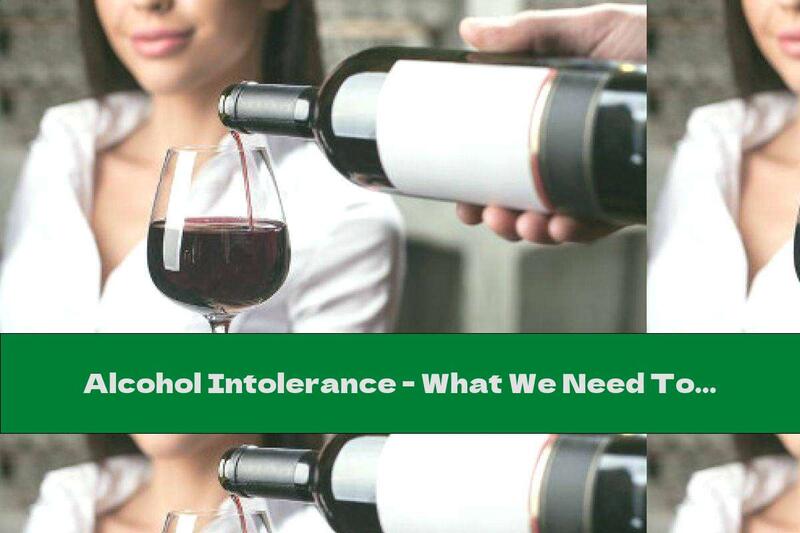
In this article, learn more about Alcohol Intolerance - What We Need To Know About Intolerance. How histamines and sulfites affect.
For some, it is absolutely impossible to enjoy even minimal amounts of alcohol. With the first sips there is redness of the face, itching, nasal congestion or frequent sneezing, difficulty breathing, cold sweats, can lead to a drop in blood pressure, nausea and vomiting.
The possible reasons for such a rapid, highly negative reaction are two: alcohol intolerance (intolerance) or allergy to any of the ingredients of the drink.
The ingredients that most often lead to stabbing reactions are preservatives such as sulfites or histamines - a by-product of fermentation.
Sulfites is a general name for chemical compounds that contain the sulfite ion SO 3 2− . They are used to prevent the oxidation of wine and beer in contact with the air, which would severely damage their taste. People with hypersensitivity to them are most often those suffering from asthma and those allergic to aspirin .
Histamines , on the other hand, are chemicals that function in the immune system and conduct signals to the nervous system. They have the ability to dilate blood vessels, but if the body has an intolerance to histamines, they can severely inhibit the lungs, brain and the entire cardiovascular system.
Intolerance itself is due to the lack of certain enzymes in the body that break down toxins in alcohol.
In milder reactions of intolerance, medical attention is not necessary - avoiding alcohol will be enough. However, if the symptoms are too severe or do not go away within 24 hours, this may signal an underlying chronic condition that requires medical advice.
Often the symptoms are ignored by people who rarely drink alcohol - they decide that it is a product of intoxication and may ignore the initial signs. Especially in cases of rapidly occurring redness and rash, airway narrowing usually follows and life-threatening anaphylactic shock can quickly occur .
Related Articles
- The Nutritional Value of Bud Light: Calories, Alcohol Content, and More
- The Truth About E477 in Food: What You Need to Know
- The Nutritional Value of Potato Chips: What You Need to Know
- The Nutritional Value of Lays Potato Chips: What You Need to Know
- E 631: What You Need to Know About This Food Additive