Apricot Consumed In July Brings Health For The Year Ahead
 Author: Nia Rouseberg
Time for reading: ~2
minutes
Last Updated:
August 08, 2022
Author: Nia Rouseberg
Time for reading: ~2
minutes
Last Updated:
August 08, 2022
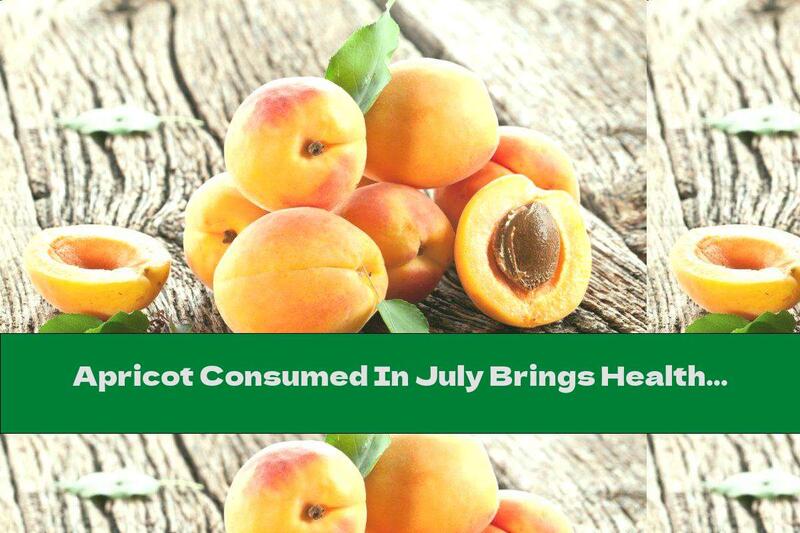
In this article, learn more about Apricot Consumed In July Brings Health For The Year Ahead. Apricot is good for the heart, nervous system and gastrointestinal health..
Juicy, sweet and slightly sour apricot is considered a good fruit for the heart, but not only. Everyone who has eaten the fruit is aware that it has a beneficial effect on the digestive system, but hardly everyone has realized that eating apricot, it brings him peace and youth.
Apricot contributes to the summer tan, which is due to its specific color and richness of beta-carotene. The presence of vitamins A , C and E gives it the qualities of an elixir for the skin, and their antioxidant properties prevent the bad effect of the sun's rays and inflammatory processes, whether because of them or light, no matter. That is, we eat apricot and help ourselves against the formation of wrinkles.
Antioxidant properties are not only beneficial for the beauty of the skin, but also for youth and health in general. In addition to slowing down the aging process, they support the body's defenses.
Due to the presence of carotenoids, apricots are orange, but they actually have the effect of strengthening the eyes and vision .
Apricots are one of the good sources of potassium needed for electrolyte balance, on which normal blood pressure values depend - so they are especially useful for cardiovascular function. The mineral is involved in a number of processes in the body, one of the most important being to maintain the proper functioning of the central nervous system. Potassium deficiency has a detrimental effect on memory and performance and a person gets tired much easier and faster. Apricots are rich in boron, which supports the action of vitamin D, calcium, magnesium and phosphorus.
Their usefulness for the intestines comes from the soluble and insoluble fibers in them. Solubles maintain the acidity of the stomach and help control blood sugar and blood cholesterol - another benefit for the heart, in addition to metabolic processes. Insolubles improve intestinal peristalsis and maintain the health of the microbiome, hence support immunity.
If we talk about quantities: 100 g of raw apricots contain about 2 g of dietary fiber, 50 kcal, but almost 10 g of sugars, which is not small and therefore should be careful with the amount consumed.
Nearly 14 mg is calcium, over 10 mg - magnesium, 24 mg - phosphorus. Potassium reaches 270 mg. They also contain some zinc, iron, copper, selenium and sodium.
A little over 10 mg is vitamin C, and vitamin A - over 100 micrograms and beta-carotene over 1150 micrograms. Apricots also contain a small amount of vitamin K - over 3 micrograms, as well as B vitamins (thiamine, riboflavin, niacin, vitamin B6). The latter are also important for the nervous system. Vitamin E is in the order of 90 micrograms.
Related Articles
- The Power of Honeysuckle: Health Benefits and Recipes
- The Ultimate Guide to Hickory Smoked Bacon in Nutrition and Healthy Eating
- Nutritional Benefits of Fruit Skewers in Honey Syrup: A Delicious and Healthy Recipe
- Nutritional Benefits of Fruit Skewers in Honey Syrup: A Healthy and Delicious Snack
- Nutrition for Respiratory Health: Supporting Your Lungs with the Right Foods
Top Nutrition Articles Today
- . The Role of e633 in Nutrition: Enhancing Flavor in Food Prod...
- . 7 Foods For Bigger And Firmer Breasts
- . Peanut Butter - Composition, Benefits And Harms Of Its Consu...
- . The Power of Spinach: Health Benefits and Recipes
- . The Health Benefits of Nori: A Nutritious Seaweed for Thyroi...
- . The Impact of 1517 on Nutrition: Exploring Culinary Traditio...
- . The Role of Cellulose in Nutrition: Benefits, Sources, and T...
- . The Power of Konjac in Nutrition: Weight Loss, Digestive Hea...
- . To Relieve Constipation - Eggplant
- . Coriander Honey