Artificial Sweeteners - Benefits And Harms
 Author: Dean Rouseberg
Time for reading: ~2
minutes
Last Updated:
August 08, 2022
Author: Dean Rouseberg
Time for reading: ~2
minutes
Last Updated:
August 08, 2022
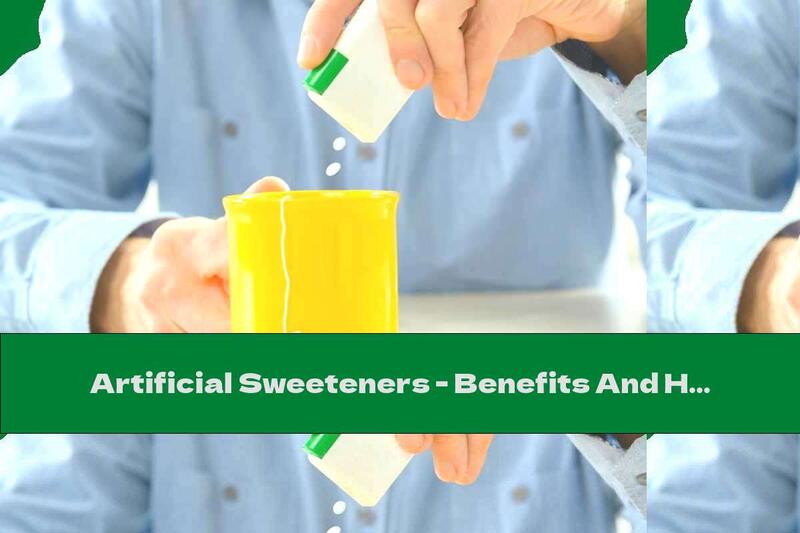
At times sweeter than sugar and calorie-free, artificial sweeteners are not harmless.
The principle of action of artificial sweeteners is very simple - they add sweetness to food and beverages, but do not increase their caloric value . The second is their biggest advantage over regular sugar . The question here is at what price does this advantage come. And the answer is that the sweetening effect of these products may be due to potentially dangerous substances.
The poorly studied long-term effect of artificial sweeteners is the reason why their consumption is recommended only in moderate doses and should not be abused. They are indicated as effective and safer substitutes for white sugar in diabetics and people with obesity or metabolic syndrome. Instead, they can complicate people with autoimmune and intestinal diseases such as Crohn's disease and others.
Advantages of artificial sweeteners over sugar
The main reason for using artificial sweeteners instead of sugar is their low caloric content. This is a very significant advantage for people who are looking for:
- More successful control of blood sugar and diabetes;
- Normalization of weight - both prevention of obesity and easier weight loss with increased calorie burning;
Disadvantages of artificial sweeteners
These products also have their obvious disadvantages, and the worst of them is that their long-term effects have not yet been well studied and can not be said to be completely safe. Among their identified shortcomings can be mentioned:
- Zablyuzhdavat taste buds - the sweeteners are derived primarily from plants and are repeatedly - sweeter than sugar. Exposed to their action for a long time, our taste buds can lose their sensitivity to ordinary sugar and sugars found naturally in fruits, for example;
- They have a negative effect on the gastrointestinal tract - being very sweet, artificial sweeteners mislead the stomach and intestines that they contain a caloric product and require the release of special enzymes for its absorption. In fact, the lack of calories in these products does not allow enzymes to do their job. Over time, this effect triggers a cascade of reactions that slow down the metabolism and can worsen the body's signaling, unlocking the feeling of hunger and satiety;
- Most are derived from GMO raw materials - suctalose, aspartame, erythritol, neotam - all of which are derived from products that are very likely to be genetically modified to be more resistant to adverse growing conditions;
- There is a risk of frequent overeating - getting sweet food in the mouth signals to the brain that it accepts a caloric and saturating product and the natural reaction is to eat less of it. However, artificial sweeteners do not have any saturating effect. This boosts our appetite and we can take in much more than we actually need;
It is clear that no matter how harmful ordinary sugar is, artificial sweeteners have both advantages and disadvantages over it. Complete replacement of one product with another in this case is undesirable. Whatever your personal preferences, be moderate in taking them.
Related Articles
- The Power of Honeysuckle: Health Benefits and Recipes
- Fruitskewers in Honey Syrup: Nutritional Benefits and Recipes
- The Ultimate Guide to Buffer 500 in Nutrition: Benefits and Usage
- Nutritional Benefits of Fruit Skewers in Honey Syrup: A Delicious and Healthy Recipe
- Nutrition Guide: Fruitskewers in Honey Syrup - Benefits, Recipes, and More