Asthma Diet - Which Foods Can Improve And Which Can Worsen The Condition?
 Author: Alexander Bruni
Time for reading: ~2
minutes
Last Updated:
August 08, 2022
Author: Alexander Bruni
Time for reading: ~2
minutes
Last Updated:
August 08, 2022
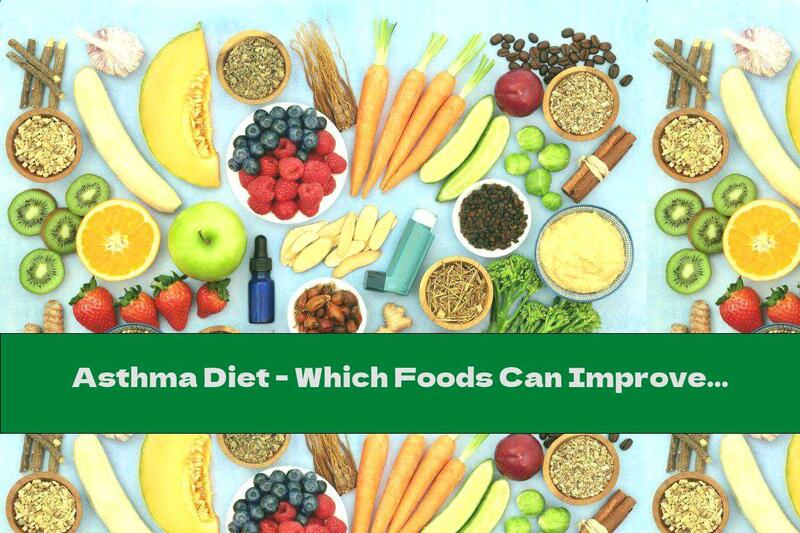
In this article, learn more about Asthma Diet - Which Foods Can Improve And Which Can Worsen The Condition?. Obesity is a major risk factor for developing asthma..
Although there is no convincing evidence as to whether a particular food alone can affect the frequency or severity of asthma attacks, following a certain diet (high in fresh fruits and vegetables) can improve a patient's overall health, as well as to relieve asthma symptoms .
Food plays an important role in the development of allergies. Food allergies and food intolerances occur when the immune system overreacts to specific proteins in food. In some cases, this can lead to asthma symptoms. According to some studies, the consumption of processed foods may be associated with an increase in asthma in recent decades.
Obesity is a major risk factor for developing asthma. In addition, asthma in overweight people can be more severe and more difficult to treat. Eating a balanced diet containing foods that can help maintain lung function and maintaining a healthy weight can make it easier to manage the condition.
Foods and nutrients that are helpful to add to your asthma diet
- Foods rich in vitamin D, such as milk and eggs;
- Beta-carotene- rich vegetables, such as carrots and green leafy vegetables;
- Magnesium-rich foods such as spinach and pumpkin seeds
Vitamin D
Studies show that getting enough vitamin D can help reduce the number of asthma attacks in children aged 6 to 15 years. Sources of vitamin D include:
- Salmon;
- Milk;
- Vitamin D-enriched orange juice;
- Eggs
Vitamin A
According to some studies, children with asthma usually have lower levels of vitamin A in their blood than children without asthma. In children with asthma, higher levels of vitamin A correspond to better lung function . Good sources of vitamin A are:
- Carrots;
- Melon;
- Sweet potatoes
- Green leafy vegetables such as lettuce, kale and spinach;
- Broccoli
Apples
Apples are associated with a lower risk of asthma and increased lung function.
Bananas
According to some studies, bananas can reduce wheezing in children with asthma. This may be due to the content of antioxidants and potassium in the fruit, which can improve lung function.
Magnesium
Studies show that children aged 11 to 19 who have low magnesium levels also have low inspiratory flow and reduced lung capacity . Magnesium levels can be increased by consuming foods such as:
- Spinach;
- Pumpkin seeds
- Mangold;
- Dark chocolate
- Salmon
Inhaling magnesium (through a nebulizer) is another good way to treat asthma attacks.
Foods to avoid in asthma
- Sulfites found in wine and dried fruits;
- Foods that can cause gas, including beans, cabbage and onions;
- Artificial ingredients, such as chemical preservatives or other flavorings
Some foods can cause asthma symptoms and should be avoided. However, it is best for the patient to consult a doctor before eliminating certain foods from their diet.
Sulphites
Sulfites are a type of preservative that can worsen asthma. They are contained in:
- Wine;
- Dried fruit;
- Shrimp;
- Bottled lemon juice and lime juice
Foods that cause gas
Consumption of foods that cause gas puts pressure on the diaphragm , especially in the presence of acid reflux . This can cause tightness in the chest and cause asthma attacks. Such foods are:
- Bob;
- Cabbage;
- Carbonated drinks;
- Onion;
- Garlic;
- Fried foods
Salicylates
Although rare, some people with asthma may be sensitive to the salicylates found in coffee, tea, and some herbs and spices. Salicylates are naturally occurring chemicals and are sometimes found in the foods we eat.
Artificial ingredients
Chemical preservatives , flavors and colors are often found in processed and fast foods. Some people with asthma may be sensitive or allergic to these artificial ingredients.
Common allergens
People with food allergies can also have asthma. The most common allergens include:
- Dairy products;
- Midi;
- Wheat;
- Nuts
Related Articles
- Nutrition for Respiratory Health: Supporting Your Lungs with the Right Foods
- The Ultimate Guide to High Gluten Foods: Benefits, Sources, and Recipes
- The Ultimate Guide to High Gluten Foods: Effects, Benefits, and Recipes
- The Nutritional Value of Avocado Calories: Benefits, Diet Tips, and Recipes
- The Ultimate Guide to Diet ��� 7 for Improved Nutrition
Top Nutrition Articles Today
- . Steroids in Eggs: Separating Fact from Fiction | Nutrition a...
- . Breastfeeding A Baby With Low Blood Sugar
- . Understanding Acidity Regulators in Nutrition: Types, Benefi...
- . How To Cook Caramel Cream Mousse (for Cakes And Pastries) -...
- . Are Simple Sugars The Culprits For Most Diseases
- . Flatizza: A Healthier Alternative to Traditional Pizza
- . E515: Potassium Sulphates and Potassium Bisulphates - Functi...
- . The Role of Disodium Diphosphate in Food: Uses, Health Conce...
- . Hydrochloric Acid in Nutrition: Importance, Effects, and Sup...
- . Is It Filled With Carbonated Water?