Bitter Foods Can Heal By Acting On Taste Buds
 Author: Joe Fowler
Time for reading: ~4
minutes
Last Updated:
January 27, 2026
Author: Joe Fowler
Time for reading: ~4
minutes
Last Updated:
January 27, 2026
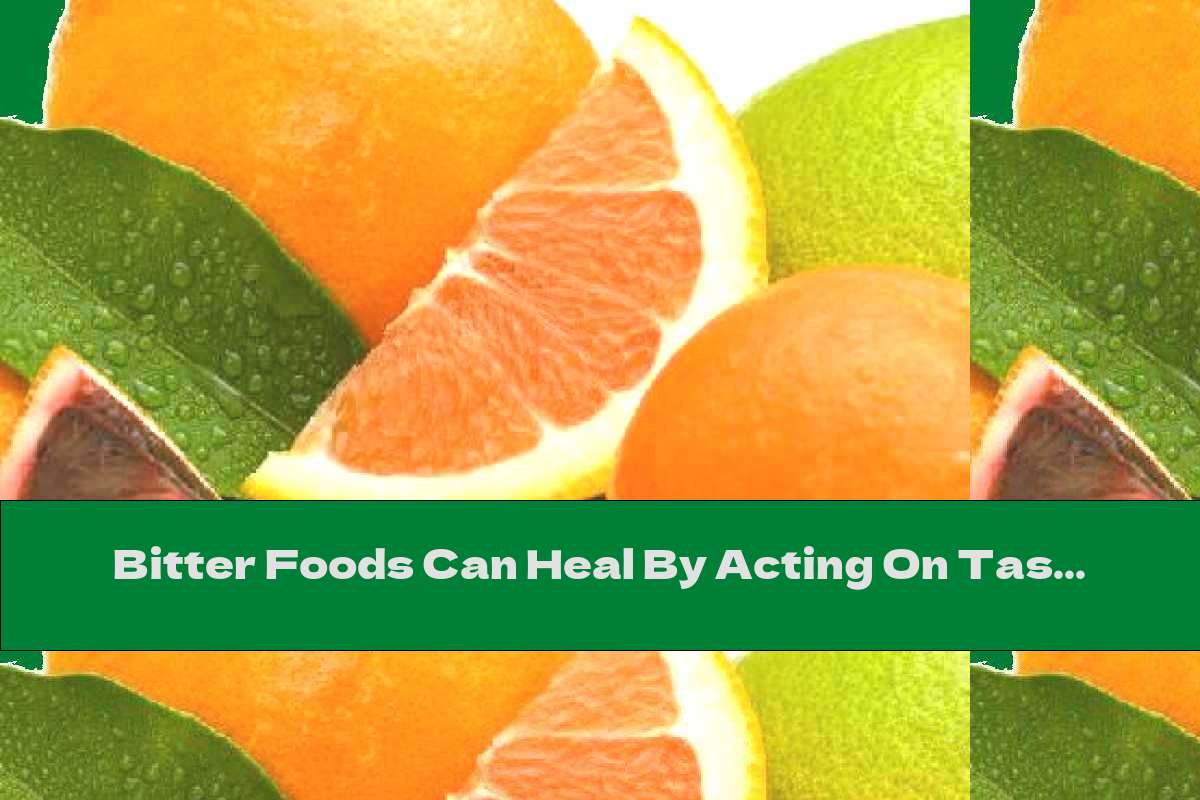
Some of the most useful and rich in vitamins and minerals products have a bitter and even unpleasant taste for most people
Some of the most useful and rich in vitamins and minerals products have a bitter and even unpleasant taste for most people.
Researchers at the Potsdam Institute of Nutrition, led by Wolfgang Meyerhof, have made a discovery that may explain why some people like foods such as grapefruit, Brussels sprouts and chicory, while others do not. It has also been proven that children's attraction to sweet foods depends on the structure of their taste buds.
For the first time, it has been found that human cells that are sensitive to bitter taste do not resemble each other. Each cell has 4 to 11 bitterness-sensitive receptors, and thus each recognizes only a few types of bitterness, not all, as previously thought. Taste sensations depend on which cells predominate in each person's body.
For the first time, scientists have been able to explain differences in people's taste preferences at the molecular level.
In the past, bitterness receptors were thought to protect people from toxins. Based on this, often misconception that bitterness is dangerous, people form their own opinion about healthy eating. Mike Behrens, one of the study's authors, explains that people often think of sweet, high-calorie foods as healthy, which is actually the real cause of being overweight.
German scientists are focusing on the biological mechanisms that determine taste preferences. Their main, but still distant and elusive goal is to change the taste of healthy food, ie. to make it more enjoyable.
Even according to Ayurveda, the ancient science of health and longevity, different tastes affect different organs in the body. Taste therapy is based on Ayurveda and is based on the premise that diseases can be treated by acting on human taste buds. Located on the tongue, they are connected to all systems of the body and therefore the impact of one or another part of the tongue heals the relevant organs, according to traditional Indian medicine. For example, the middle part of the tongue is responsible for the stomach and its tip for the heart. Different tastes - sweet, bitter, salty or sour, can have a certain effect on different organs.
We offer you a brief overview of eight of the most bitter, but also the most useful products:
1. Turnips
Turnips are considered a tonic, although not yet fully appreciated. It contains useful organic acids, mineral salts, vitamins, enzymes, phytoncides, essential oils, proteins and amino acids. It is said to improve metabolism, increase immunity and remove excess fluids from the body.
It is not recommended for use in diseases of the gastrointestinal tract or a recent heart attack.
2. Horseradish
According to experts, horseradish kills harmful bacteria and eliminates inflammation. It has almost all the positive properties of turnips, but also has bactericidal and antiseptic action. According to Ayurveda, daily rubbing of the skin with horseradish juice removes freckles.
After the industrial processing of horseradish, only cellulose remains in it, so it is recommended to use fresh roots, which can be grated and seasoned with lemon juice or added to a salad of two red tomatoes, seasoned with a spoonful of vegetable fat.
3. Mustard
It is suitable for diseases of the nervous system - from nervous excitement and sciatica to hysteria.
4. Grapefruit
Grapefruit helps maintain a beautiful and slender figure. It contains inositol and pectin, which burn fat naturally, improve appetite, promote digestion and activate the liver. In addition, it normalizes the work of blood vessels, lowers cholesterol, tones the nervous system, helps to overcome apathy, eliminates fatigue.
Grapefruit is considered one of the most useful fruits. Its seeds are also useful because they have bactericidal properties.
Contraindications to the consumption of grapefruit have not been found, but it has been proven that grapefruit juice is able to increase the toxicity of drugs.
5. Coffee
Modern medicine has proven that coffee contains antioxidants that prevent type 2 diabetes and liver cancer.
Coffee helps to cope with stress, stimulates the respiratory center of the brain, helps asthmatics to overcome attacks, removes excess cholesterol from the body. Coffee also contains useful carbohydrates, fats, vital minerals and trace elements. It is believed that coffee gives good results in the prevention of diabetes.
Drinking coffee is not recommended for diseases of the cardiovascular system.
6. Tea
Tea helps fight osteoporosis and other bone diseases. This is due to the effect of polyphenols - substances 25 times more effective than vitamin C. Scientists believe that polyphenols protect the genetic material of cells from damage.
Tea strengthens blood vessel walls and stabilizes blood pressure, strengthens immunity, treats certain types of allergies and reduces the risk of cancer. Adding milk to tea makes the drink an excellent remedy for kidney and bladder stones.
The consumption of tea is not recommended for acute stomach ulcers and kidney disease, insomnia, glaucoma.
7. Beer
According to American and Canadian scientists, who published part of their study in the journal Prevention, the antioxidants contained in beer protect eyesight from cataracts.
Beer regulates respiration and blood circulation, has a positive effect on digestion and dissolves kidney stones. In the Scandinavian countries, beer is officially recognized as an antidepressant. Dark beers are the most useful.
There are no obvious contraindications to the consumption of beer, it all depends on the amount tested. Scientists recommend not to use more than half a liter daily.
8. Natural chocolate
In the American magazine The Heart, Swiss scientists conclude that 60 g of chocolate prevents the narrowing of arteries, improves blood circulation and reduces the likelihood of blood clots. Natural chocolate helps strengthen blood vessels and prevent heart disease.
In addition, caffeine and theobromine, contained in the bitter delicacy, stimulate the ability to work and creative activity of man, help with increased workload.
Milk chocolate does not have these properties due to the content of lactic acid, which neutralizes the action of antioxidants - flavonoids.
Related Articles
- The Power of Honeysuckle: Health Benefits and Recipes
- The Ultimate Guide to Hickory Smoked Bacon in Nutrition and Healthy Eating
- Nutritional Benefits of Fruit Skewers in Honey Syrup: A Delicious and Healthy Recipe
- Nutritional Benefits of Fruit Skewers in Honey Syrup: A Healthy and Delicious Snack
- Nutrition for Respiratory Health: Supporting Your Lungs with the Right Foods
Top Nutrition Articles Today
- . Steroids in Eggs: Separating Fact from Fiction | Nutrition a...
- . How To Cook Caramel Cream Mousse (for Cakes And Pastries) -...
- . Flatizza: A Healthier Alternative to Traditional Pizza
- . Breastfeeding A Baby With Low Blood Sugar
- . Understanding Acidity Regulators in Nutrition: Types, Benefi...
- . Are Simple Sugars The Culprits For Most Diseases
- . E515: Potassium Sulphates and Potassium Bisulphates - Functi...
- . The Role of Disodium Diphosphate in Food: Uses, Health Conce...
- . Hydrochloric Acid in Nutrition: Importance, Effects, and Sup...
- . Is It Filled With Carbonated Water?