Breakfast Before Fitness - Yes Or No?
 Author: Alexander Bruni
Time for reading: ~1
minutes
Last Updated:
August 08, 2022
Author: Alexander Bruni
Time for reading: ~1
minutes
Last Updated:
August 08, 2022
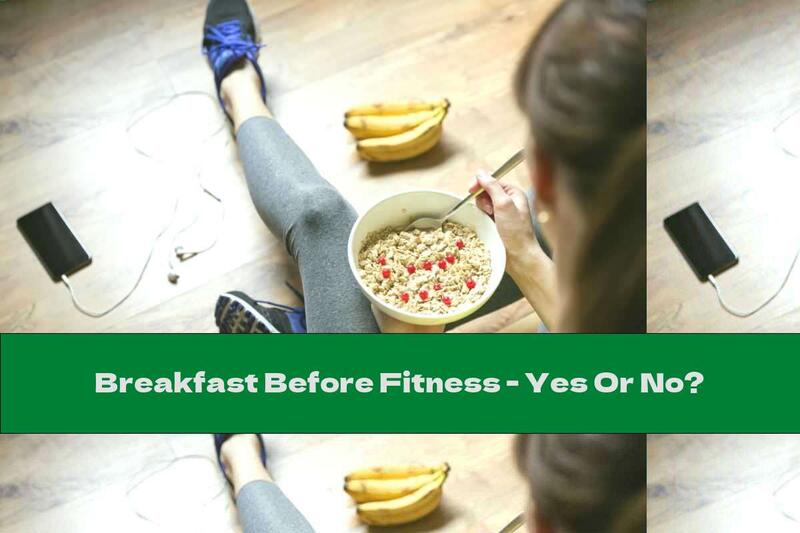
Researchers have found that breakfast before a morning workout helps burn calories more efficiently
Many people who do sports wonder if it is worth having breakfast before a morning workout or it is better to perform their series on an empty stomach. A recent British study published in the American Journal of Physiology: Endocrinology and Metabolism found that a pre-workout breakfast helps the body burn calories more efficiently.
How?
A team of scientists from the universities of Bath, Birmingham, Newcastle and Stirling selected 12 healthy volunteers - elderly men. For breakfast, they had to eat oatmeal with milk, and two hours later underwent intense training - an hour of cycling. The control group that participated in the experiment also ate oatmeal with milk, but the volunteers rested for three hours instead of training.
The researchers then measured the level of glucose in the blood and the level of glycogen in the muscles of the volunteers. Glycogen is a complex carbohydrate that consists of a chain of glucose molecules. During a meal, a large amount of sugar enters the human body, and the excess is deposited in the form of glycogen.
Researchers have found that in the body of participants who ate before training, carbohydrates are absorbed faster. They also found that eating before a workout stimulates digestion after exercise and improves metabolism. With a hearty pre-workout breakfast, muscle glycogen is used more efficiently and sugar is burned faster. And during starvation the body does not have enough resources to work effectively.
"We also found that breakfast before a workout increases the rate at which we absorb carbohydrates at the next meal," said one of the lead researchers, Dr. Javier Gonzalez.
The researchers hope that the results of this experiment are useful in preparing for various laboratory tests, such as monitoring metabolic status. Currently, the team continues to study how eating time and physical activity affect metabolism in both healthy people and overweight and type 2 diabetic patients. They also plan to study how post-breakfast, empty-stomach workouts will affect health in the long run.
Related Articles
- Unlocking the Power of the 50/25/25 Macronutrient Ratio for Health and Fitness
- The Power of Gaterade: Benefits in Nutrition and Fitness
- The Ultimate Guide to Gaterade in Nutrition and Fitness
- The Nutritional Benefits of Lucky Charms Cereal: A Balanced Breakfast Choice
- Maximize Your Fitness Goals with Dymatize Nutrition Supplements