Broccoli And Brussels Sprouts Against Breast Cancer
 Author: Joe Fowler
Time for reading: ~1
minutes
Last Updated:
August 08, 2022
Author: Joe Fowler
Time for reading: ~1
minutes
Last Updated:
August 08, 2022
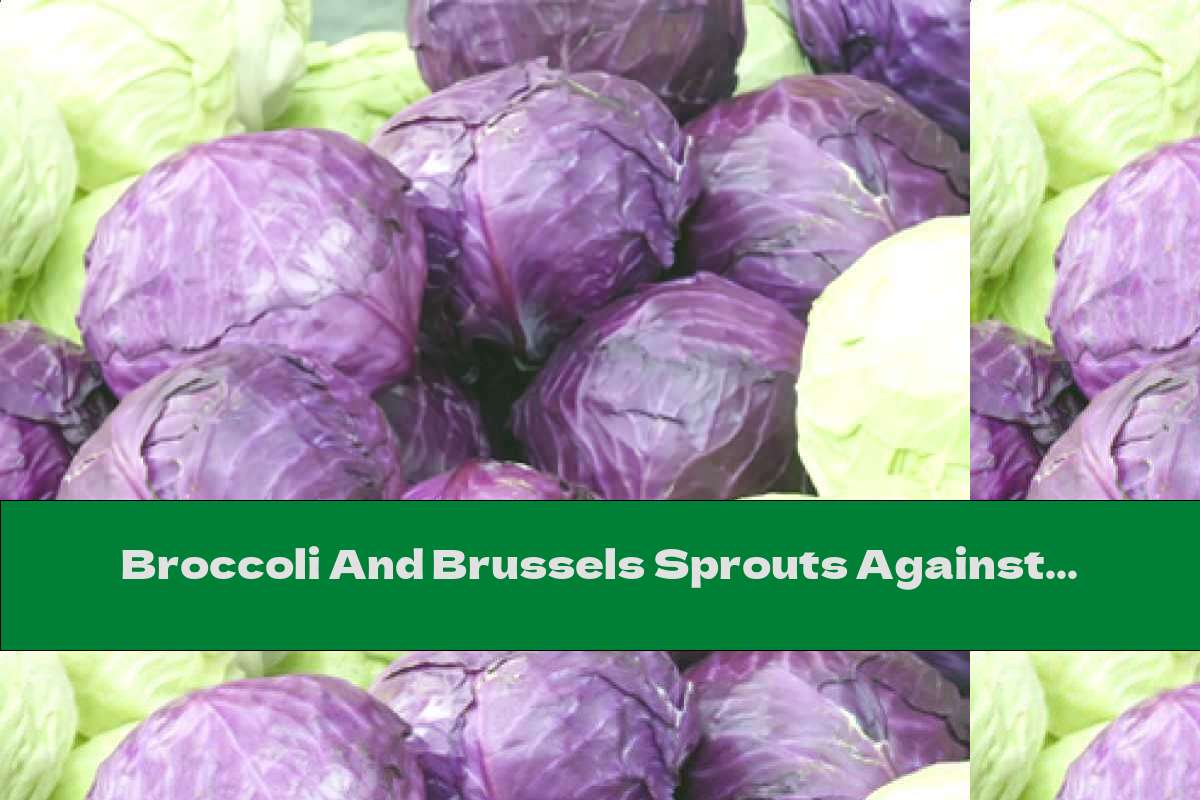
In this article, learn more about Broccoli And Brussels Sprouts Against Breast Cancer. Experts recommend consuming 150 g of cruciferous vegetables a day..
Regular consumption of cruciferous vegetables prolongs life and reduces the risk of metastasis in women who have survived breast cancer, according to a new Chinese study.
It is recommended to consume 150 g of cruciferous vegetables a day, or a glass of cooked broccoli, cauliflower, cabbage, Brussels sprouts or kale, advises researcher Sarah Nechuta from Vanderbilt University in Nashville, Tennessee.
The study involved nearly 5,000 women aged 20-75 who survived breast cancer.
The volunteers filled out detailed questionnaires about their eating habits at the beginning of the experiment, at the 18th month and 36 months later. The participants are divided into 5 groups, depending on the consumption of cruciferous vegetables.
Five years after diagnosis, women who consume an average of about 150 grams of cruciferous vegetables a day have a 42% lower risk of death from breast cancer and a 58% lower risk of death. and for any reason, compared to women who consume less than 54 g per day.
High consumption of vegetables also reduces the risk of recurrence of breast cancer by 19%.
Cruciferous vegetables contain high amounts of glucosinolates. When consumed, glucosinolates are converted into other compounds called isothiocyanates and inodolines, which have been shown to have strong anti-cancer properties, scientists say.
The results were presented at the annual meeting of the American Association for Cancer Research.
Related Articles
- The Importance of Breast Milk Color in Nutrition: Understanding Nutritional Insights
- Nutritional Benefits of Baked Chicken Breast: A Healthy Choice for Your Diet
- The Importance of Breast Milk Color in Nutrition: Insights and Benefits
- The Power of Broccoli: Nutritional Benefits, Recipes, and More
- Nutrition Guide: Breastfeeding for Infants and Mothers
Top Nutrition Articles Today
- . The Importance of Carotene in Nutrition: A Complete Guide
- . Cochineal Extract Food List: Nutritional Value, Health Benef...
- . The Ultimate Guide to Lean Meat in Nutrition: Benefits, Type...
- . The Role of Water in Nutrition: Importance and Benefits
- . The Truth About Potato Chips: Health Effects and Alternative...
- . The Nutritional Benefits of Figs: A Fiber-Rich Fruit Packed...
- . Camel Meat
- . 7 Foods For Bigger And Firmer Breasts
- . E551: The Food Additive You Should Know About
- . Highest Calorie Foods In The World