Caffeine - The Necessary Energy Boost
 Author: Dean Rouseberg
Time for reading: ~1
minutes
Last Updated:
August 08, 2022
Author: Dean Rouseberg
Time for reading: ~1
minutes
Last Updated:
August 08, 2022
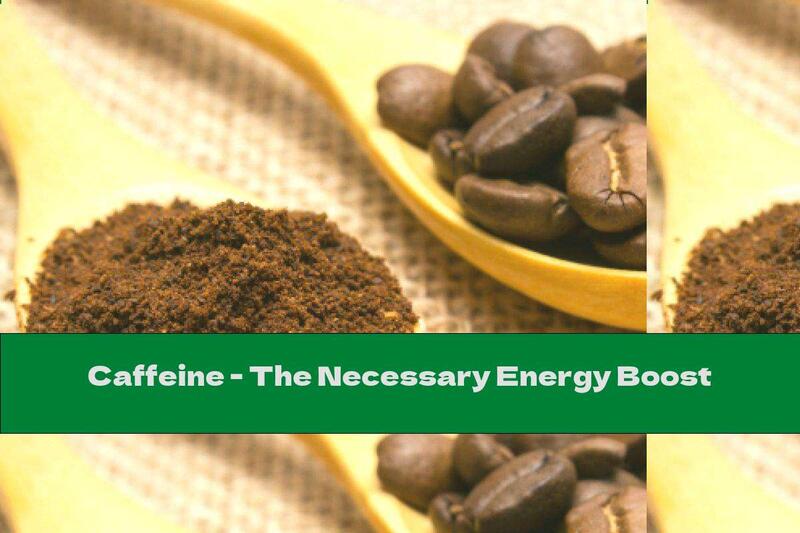
According to some researchers, plants begin to produce caffeine as a defense mechanism - so as not to be eaten.
Caffeine is the most commonly used stimulant worldwide. It is available both naturally from sources such as coffee, tea and cocoa , and as an additive to some soft and energy drinks, as well as in medicines, foods and other products.
A number of studies on this substance have shown that its consumption can be beneficial to the body, but it is also risky, especially in cases where it is excessive.
Caffeine is a substance that can be found naturally in coffee beans, tea leaves, cola nuts and cocoa pods. It has no smell and has an extremely bitter taste . Researchers believe that plants are beginning to produce caffeine as a defense mechanism - so that they are not eaten because of the bitterness.
Its effect can be observed 15 minutes after it enters the blood, stomach and small intestine. Caffeine blocks the action of adenosine, a substance in the brain that is associated with sleep . Because caffeine resembles adenosine to the nerve cell , it binds to adenosine receptors. This causes the blood vessels to constrict.
Caffeine also leads to the synthesis of adrenaline, as a result of which muscles contract , heart rate speeds up and blood pressure levels rise. These effects wear off within a few hours.
Low doses of caffeine are associated with improved mood , well-being, energy, alertness. Regular consumption of caffeine can lead to addiction, which significantly reduces the effects on the body. Eventually we begin to feel the need for coffee in the morning to get rid of the feeling of drowsiness and fatigue .
Related Articles
- Understanding Energy Balance in Nutrition: A Comprehensive Guide
- Understanding Energy Balance in Nutrition: Tips for Achieving a Healthy Lifestyle
- Boost Digestive Health with Buffer 500 - Benefits & Recipes
- The Power of E414 Gumarabic: A Nutritional Boost for Your Diet
- Boost Your Health with Buffer 500: Benefits, Recipes, and More
Top Nutrition Articles Today
- . Health Benefits And Harms Of Cocoa, How To Drink, Recipes
- . Nutrition By Blood Type: Table Of Allowed And Prohibited Foo...
- . Grapefruit - For Colds And Flu
- . How To Freeze Quince
- . The Ultimate Guide to Potassium Nitrate in Nutrition
- . The Role of Sodium Malate in Nutrition: Benefits, Concerns,...
- . Myra E: Benefits for Nutrition, Diets, and Recipes
- . Steak Label
- . The Ultimate Guide to Hickory Smoked Bacon in Nutrition and...
- . Carbs to Sugar Conversion Chart: Monitoring Carb and Sugar I...