Can Eggs Preserve Memory?
 Author: Leticia Celentano
Time for reading: ~1
minutes
Last Updated:
August 08, 2022
Author: Leticia Celentano
Time for reading: ~1
minutes
Last Updated:
August 08, 2022
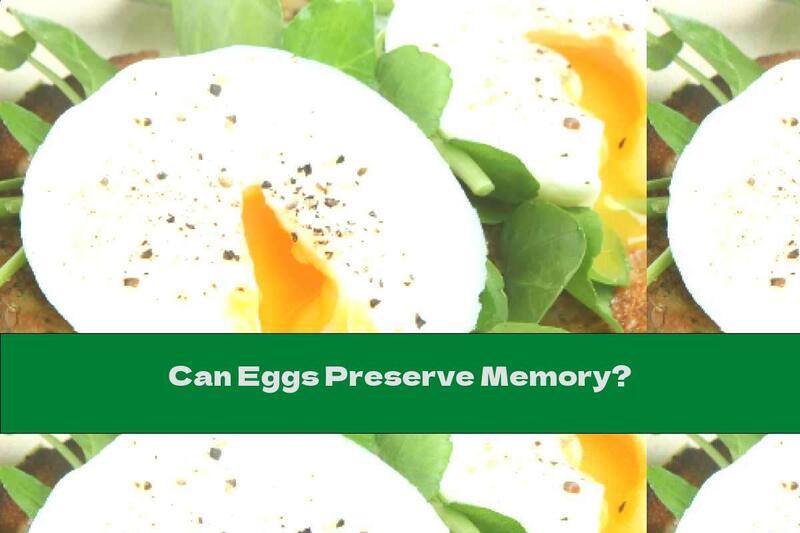
When the egg yolk is broken and exposed to heat, proteins and fats are disrupted.
Can eating eggs prevent memory loss and reduce the risk of developing dementia?
For six months, volunteers consumed two eggs a day. Later, their results will be compared with a control group of participants who did not accept any eggs.
Both groups should be tested to assess their memory , thinking, expression and concentration . Violation of any of these "indicators" is a major risk factor for developing dementia later in life.
Eggs are one of the best sources of two antioxidants - lulutein and zeaxanthin . Previous studies have shown that they may help with cognitive function .
Researchers at Tufts University in the United States expect that there will be a significant improvement in the mental abilities of participants who consume eggs.
Eggs are also a great source of protein, many vitamins, including vitamin A , potassium and many B vitamins, such as folic acid, biotin and choline. In fact, very few foods share the same variety of nutrients that only one egg has. Many of them are essential for the health of the nerves and brain .
Like almost all other foods, eggs also lose some of their nutritional value when cooked. If we are among their regular consumers, we should not cook them mixed every time, experts recommend.
When the egg yolk is broken and exposed to heat, proteins and fats are disrupted and fats become unhealthy. Eating scrambled eggs from time to time is not a problem, but it should not become a routine.
Related Articles
- The Power of Eggs: Nutritional Benefits, Recipes, and More
- Understanding Steroids in Eggs: Nutrition, Health Effects, and Tips
- The Role of Steroids in Eggs in Nutrition: Impact on Health and Quality
- Nutrition for Eggs: Importance, Key Nutrients, Benefits, Recipes & Tips
- The Power of Eggs: Nutrition, Weight Loss, and Healthy Recipes
Top Nutrition Articles Today
- . Dishes From Neighboring Countries That We Love: Potato Panca...
- . The Ultimate Guide to Vitamin E in Nutrition: Sources, Benef...
- . What To Cook With Sweet Potato
- . Foods High In Folate And B12
- . The Essential Role of Copper (Cu) in Nutrition: Sources, Ben...
- . Chicory: 15 Health Benefits, How To Drink, Contraindications...
- . Nutritional Benefits of Pizza: Key Nutrients, Healthier Opti...
- . The Role of Samarium in Nutrition: Benefits and Food Sources
- . The Delicious and Nutritious World of Minibrownies: A Guide...
- . Nutritional Benefits of Sheep Tallow: A Healthy Addition to...