Can Sea Salt Replace Table Salt?
 Author: Joe Fowler
Time for reading: ~1
minutes
Last Updated:
August 08, 2022
Author: Joe Fowler
Time for reading: ~1
minutes
Last Updated:
August 08, 2022
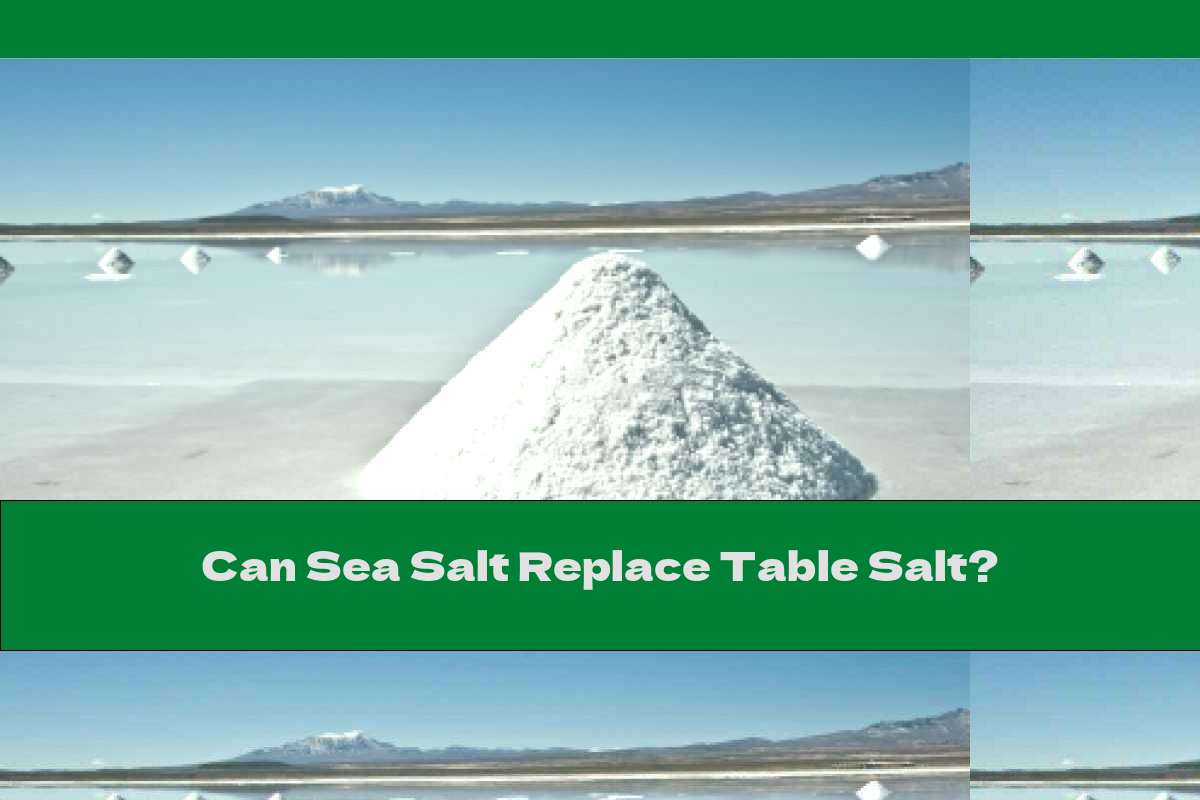
How can hypertensives reduce their sodium intake by up to 2/3 without giving up salt?
Salt has been used for thousands of years as an indispensable spice. Sea salt contains a greater variety of trace elements than ordinary table salt. It is more expensive, although it is minimally processed. Sea salt is an excellent substitute for table - it reduces sodium intake without depriving the body of useful trace elements.
Sea salt contains many minerals : calcium, sodium, potassium, magnesium, iron, zinc, bromide and others. An important feature that distinguishes it mainly from table salt is its low iodine content . Unlike the minimally processed product, table salt is artificially enriched with iodine.
This began in the 1960s, when cases of goiter due to iodine deficiency became more frequent . The practice continues to this day, but most consumers no longer need iodine-enriched salt, but a healthy diet.
Sodium in 1 g of table salt has a relatively equal concentration of sodium in 1 g of sea salt. Sea salt is the better choice because its crystals are much larger and when ingested do not occupy the same area as the smaller, tiny crystals on the table. The less space the crystals occupy in the digestive system, the easier they are absorbed by the body. This quality of sea salt is a plus for the cardiovascular system, because one of the main causes of high blood pressure is increased sodium intake through food.
Sea salt minerals are ionized in body fluids and quickly fill deficits in the body to maintain electrolyte balance . Our health, normal brain function and coordination of muscle contractions depend on this.
Although it has more useful ingredients than table and offers less sodium than it, sea salt remains salt and should not be overdone either. Consumed in the same amounts as the table, it will reduce sodium intake from food by about 1/3. To reduce the sodium in the food to 2/3, experts advise salting dishes only before serving , not during cooking.
High sodium levels are mainly associated with hypertension, but can also cause hypernatremia - a state of severe electrolyte imbalance, leading to unquenchable thirst, and in more severe cases to convulsions, seizures and coma.
Related Articles
- The Nutritional Benefits of Salty Popcorn: A Healthy Snack Option
- The Nutritional Value of Salty Popcorn: Benefits, Recipes, and More
- The Nutritional Benefits of Salty Popcorn: A Healthy Snack Option
- The Nutritional Benefits of Salty Popcorn: A Healthy Snacking Option
- The Power of Allium Vegetables: Health Benefits and Recipes
Top Nutrition Articles Today
- . Foods Containing Carrageenan: A Comprehensive Guide for Your...
- . Foods For A Regular Stomach
- . The Truth About Potato Chips: Health Effects and Alternative...
- . Medicinal Drinks For Colds
- . The Nutritional Benefits of Figs: A Fiber-Rich Fruit Packed...
- . The Importance of Carotene in Nutrition: A Complete Guide
- . How To Cook Pork Liver And Mushrooms In Cream Sauce With Che...
- . Camel Meat
- . List of Foods that Contain Carrageenan: A Guide to Avoiding...
- . The Ultimate Guide to Creating a Well-Structured Diet Plan f...