Chewing Changes The Usefulness Of Food
 Author: Alexander Bruni
Time for reading: ~1
minutes
Last Updated:
August 08, 2022
Author: Alexander Bruni
Time for reading: ~1
minutes
Last Updated:
August 08, 2022
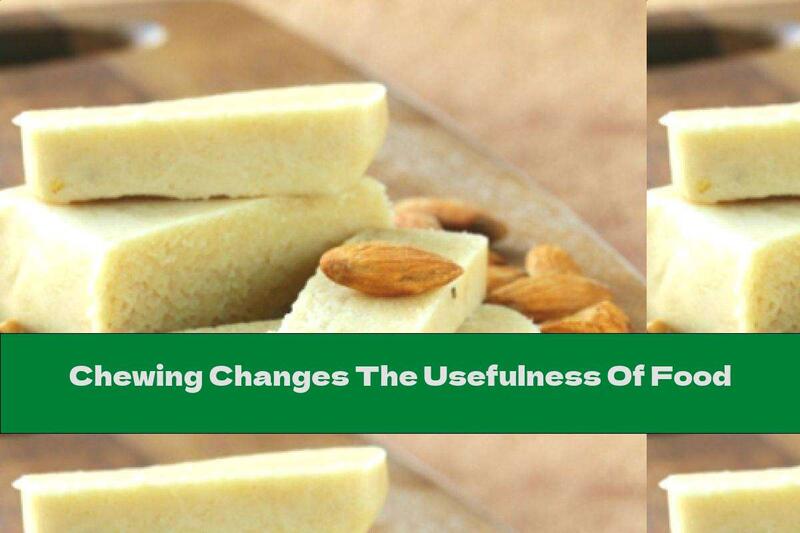
A direct relationship between the size of the bites and the effect of the food has already been established, but it is not just what we have been taught.
Almonds are among the foods rich in energy, but in order for this energy to be absorbed by the human body, it is important how they will be chewed .
Dr. Richard Mates, a professor of food science at Purdue University, confirms the truth of the well-known fact that the longer and more actively chewed food, the less it is lost during processing in the body. He supports this statement with experimental data: a short study on volunteers who ate only equal amounts of almonds and equal amounts of water for three days. The only difference in nutrition was that one had to chew his food only 10 times before swallowing, the second 20 times, and the third 30 times. Then, by special measurements of fecal fat from the volunteers, it is determined how much energy has been absorbed by the body and how much is excreted and wasted.
Unsurprising results are observed: the feces of the third group contain the least fat, which means that the food is best absorbed by them, unlike the other two.
But that's not all. Chewing also affects the extent to which the beneficial ingredients of food will be broken down . For example, almonds can be consumed in two ways. The first is through the minimum amount of chewing that allows swallowing, and the second - with patient and prolonged chewing. The first variant predisposes to more enhanced release of the proteins while the second - to a more pronounced release of vitamin E .
The labels of the products show their content, but these data are summarized and do not take into account the manner and duration of mechanical chewing of food, respectively, and the degree of their absorption by the digestive system, says the nutritionist. If you have a strong habit of fast food with not enough time to digest solid food, acute avitaminosis can occur , even with a healthy diet, says the expert.
Related Articles
- Nutrition for Respiratory Health: Supporting Your Lungs with the Right Foods
- The Ultimate Guide to High Gluten Foods: Benefits, Sources, and Recipes
- The Ultimate Guide to High Gluten Foods: Effects, Benefits, and Recipes
- The Ultimate Guide to Lactic Acid in Nutrition: Benefits, Food Sources, and Recipes
- The Nutritious World of Wendy's Salads: A Healthy Fast Food Option
Top Nutrition Articles Today
- . Steak Label
- . Hydrochloric Acid in Nutrition: Importance, Effects, and Sup...
- . Breastfeeding A Baby With Low Blood Sugar
- . Eating 5 Meals A Day
- . The Role of Carbohydrates and Lipids in Nutrition: Importanc...
- . List of Foods that Contain Carrageenan: A Guide to Avoiding...
- . The Truth About Potato Chips: Health Effects and Alternative...
- . The Role of K12 in Nutrition: Benefits, Sources, and Recomme...
- . Nutrition In Urethritis (inflamed Urethra / Urethra)
- . Diet After Pancreatic Surgery