Chompu (pink Apple)
 Author: Joe Fowler
Time for reading: ~1
minutes
Last Updated:
August 08, 2022
Author: Joe Fowler
Time for reading: ~1
minutes
Last Updated:
August 08, 2022
CHAPTERS (Table Of Contents)
In this article, learn more about Chompu (pink Apple). Chompu (pink apple) - composition and useful properties of the exotic fruit.
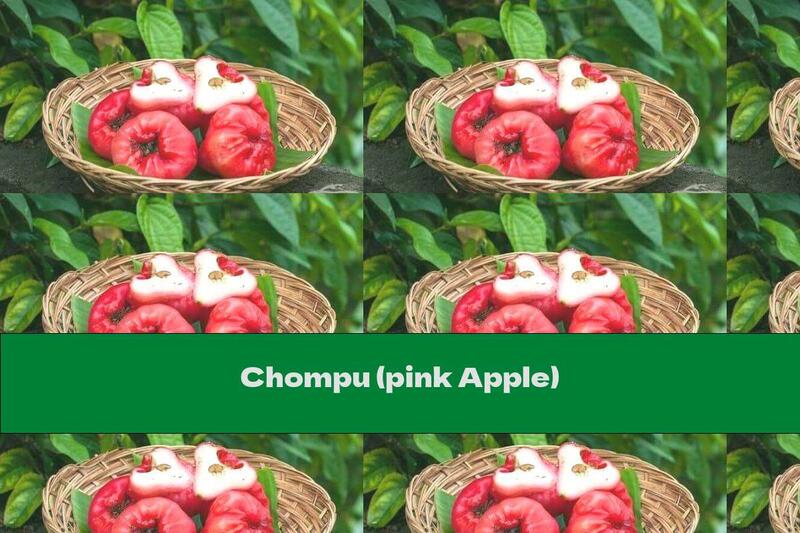
Chompu is an exotic fruit , also known as rose apple, yamboza, Malayan apple. He is a native of East India. Its shape is pear-shaped, there is no stone, the shell is pink and the flesh is white. Visually and in texture, the fruit resembles an apple. Chilled, its interior is a wonderful means of quenching thirst. There are also varieties in white, green and red. Usually, the lighter the color, the sweeter the fruit. It ripens from April to June.
Useful properties
Chompu is a common product in the countries where it grows (Central and South America, from southern Mexico to Peru, Antilles, Bahamas and Bermuda, Jamaica and others). It is actively used in their folk medicine. Decoction of the bark of the fruit is used as a tonic for intestinal disorders, a decoction of the root of the tree is a wonderful diuretic. The juice of the leaves of the rose apple is used in cosmetics, can be applied as a face lotion. The flesh and seeds of the fruit, leaves and bark have antimicrobial action, are used to regulate blood pressure and in the treatment of colds.
In India, the fruit is used to stimulate brain activity and in the treatment of liver disease. In South America it is used for diabetes, rheumatism, vision problems. Expectorants, antipyretics and diuretics are prepared from the roots. Cuban folk medicine uses chompu to treat epileptic seizures.
Use in cooking
The taste of chompu resembles sweetened water, and sometimes just odorless and tasteless water. The fruits are eaten fresh, stewed with sugar. They are used to make jams, jellies, sauces and syrups. Often the chompu halves are stuffed with a mixture of rice and meat, sprinkled with tomato sauce, seasoned with chopped garlic and baked for 20 minutes. They also make canned food, and the pink apple is combined with other fruits.
Essential oil is extracted from the leaves of the plant, the bark of the tree is rich in tannin.
Harm and contraindications
The fruit is contraindicated for consumption in case of individual intolerance to it.
Related Articles
Top Nutrition Articles Today
- . The 50/25/25 Macronutrient Split: A Comprehensive Guide to B...
- . Vitamin D Fortified Foods
- . The Role of E214 in Nutrition: Functions, Foods, Health Conc...
- . The Dr. Sarah Hallberg Diet: A Comprehensive Guide to Revers...
- . The Role of Nutrition in Maintaining Good Health
- . Starbucks Iced Coffee With Heavy Cream Calories
- . BRAT diet for diarrhea and upset stomach
- . Understanding E 479: Role in Nutrition, Health Implications,...
- . Nutritional Value Of White Rice
- . Nutrition In Leukoplakia