Cinnamon - Against High Cholesterol
 Author: Karen Lennox
Time for reading: ~1
minutes
Last Updated:
August 08, 2022
Author: Karen Lennox
Time for reading: ~1
minutes
Last Updated:
August 08, 2022
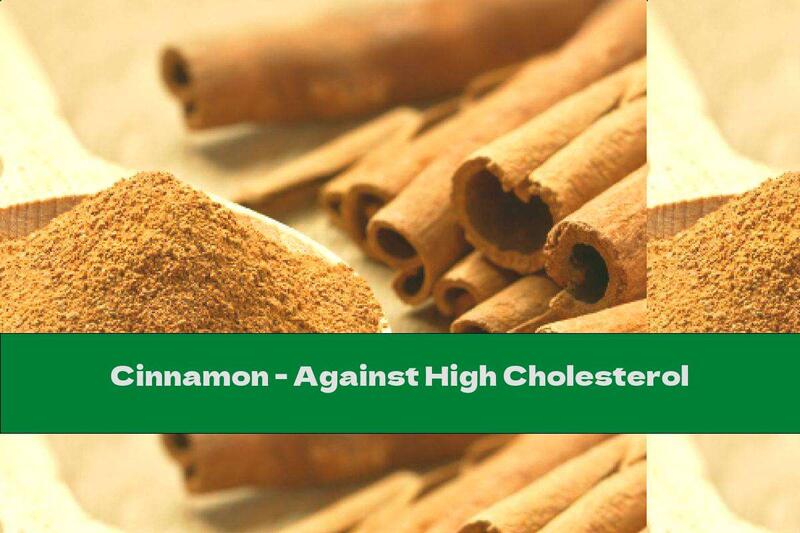
Cinnamon reduces the risk factors associated with the development of diabetes and cardiovascular disease, researchers say.
There are two types of cinnamon - Ceylon cinnamon, which is considered "true cinnamon", and cinnamon, which originates from China. The amount of 10 g of cinnamon contains 24.7 calories , 0.12 g of fat, 8.06 g of carbohydrates and 0.4 g of protein.
Cinnamon may help improve glucose and lipid levels in patients with type 2 diabetes , researchers say. The study concluded that the consumption of 6 g of cinnamon per day reduces the levels of glucose, triglycerides, LDL cholesterol and total cholesterol in people with type 2 diabetes.
According to experts, the inclusion of cinnamon in the diet reduces the risk factors associated with the development of diabetes and cardiovascular disease . In addition, a certain cinnamon extract can lower blood sugar levels in these patients.
Another study conducted by a research team at the University of Tel Aviv, Israel, found that cinnamon has the potential to help with Alzheimer's disease. According to Prof. Michael Ovadia, an extract extracted from cinnamon bark can help suppress the development of the disease.
There is also evidence that a diet rich in cinnamon helps to alleviate the negative effects on the body from the consumption of foods high in fat .
Consumption of cinnamon can pose a risk to people who are sensitive to the aromatic spice. They have an increased risk of liver damage after consuming cinnamon .
The reason lies in the content of coumarin - an ingredient that is naturally found in the spice, and is associated with liver damage. Experts explain that Chinese cinnamon contains larger amounts of coumarin than Ceylon cinnamon.
Related Articles
- The Ultimate Guide to High Gluten Foods: Benefits, Sources, and Recipes
- The Ultimate Guide to High Gluten Foods: Effects, Benefits, and Recipes
- The Power of Fresh Herbs High in Vitamin K: Benefits, Recipes, and More
- Mercolacholesterol: Health Benefits, Recipes, and More
- Nutritional Benefits of Mallard: High Protein, Iron, Healthy Fats, and More