Citrus Fruits - For Beautiful Skin
 Author: Leticia Celentano
Time for reading: ~1
minutes
Last Updated:
January 27, 2026
Author: Leticia Celentano
Time for reading: ~1
minutes
Last Updated:
January 27, 2026
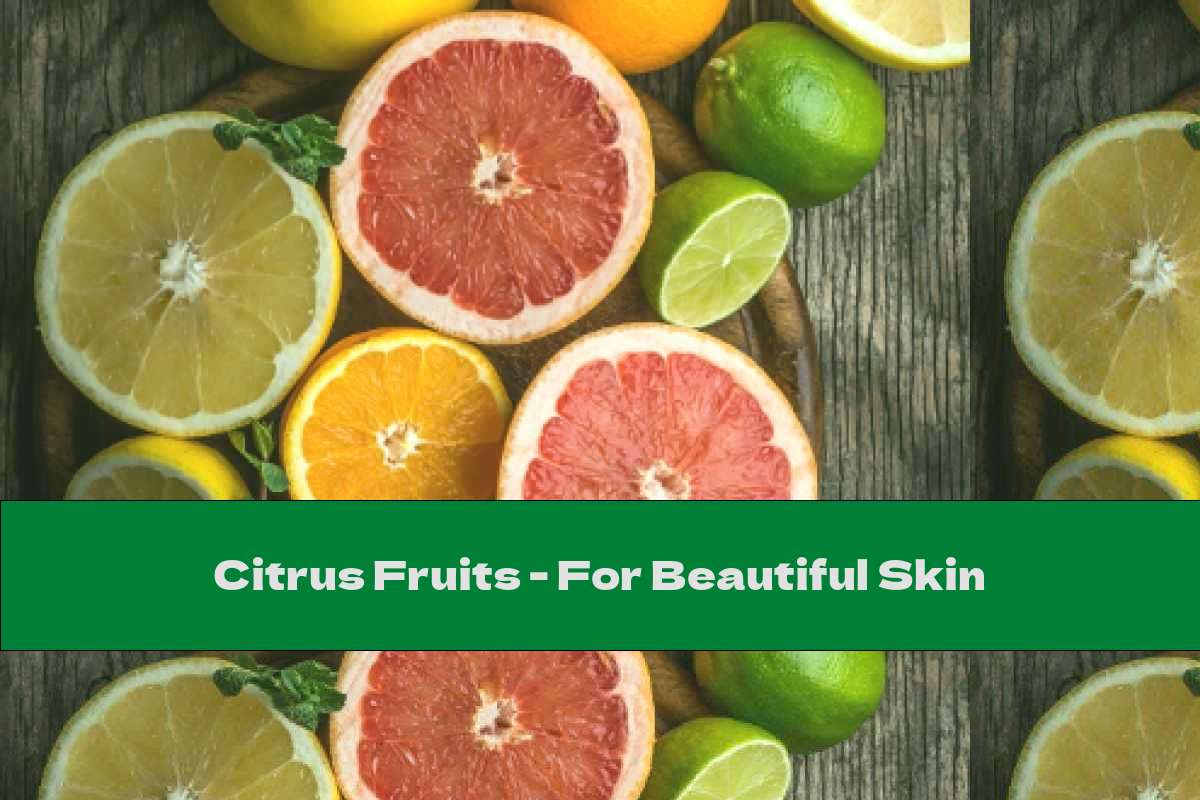
In addition to fiber and vitamin C, these fruits supply calcium, potassium, folic acid and vitamin A.
Citrus fruits have the advantage of containing several antioxidants that can help prevent various health problems - from cardiovascular disease and cancer to skin damage caused by sunlight. Different types of citrus fruits have similar nutrients, but in relatively different amounts. In addition to fiber and vitamin C , these fruits supply calcium , potassium, folic acid and vitamin A.
One small orange , half a small grapefruit and one large tangerine are about 100 g. We need to eat almost two small lemons to get the same amount of nutrients as we get from a small orange.
A serving of 100 g of orange, grapefruit or tangerine contains between 32 and 53 calories, about 8 - 13 g of carbohydrates and about 7 - 11 g of sugar. Orange and grapefruit have a low glycemic index, which means that the natural sugars they contain do not cause a big jump in blood sugar levels .
Consumption of these fruits is a sure way to get dietary fiber, and it should be borne in mind that in orange the amount is twice as much as in grapefruit .
One small orange provides 2.4 g of fiber , one large tangerine - 1.8 g, half a small grapefruit - 1.1 g. About 60 - 70% of the total fiber in orange and grapefruit are soluble. They lower cholesterol and prevent spikes in blood sugar. The rest are insoluble fiber, which is known to be good for digestion .
Vitamin C promotes the formation of collagen, necessary for the structure and elasticity of the skin and tendons . As an antioxidant, the vitamin also neutralizes free radicals before damaging cells.
From the diet, women should consume about 75 mg of vitamin C , and men - 90 mg daily. From a small orange we can get 53 mg of the vitamin, 34 mg of half a small grapefruit and 27 mg of a large tangerine.
Related Articles
- Fruitskewers in Honey Syrup: Nutritional Benefits and Recipes
- Nutrition Guide: Fruitskewers in Honey Syrup - Benefits, Recipes, and More
- The Ultimate Guide to Fruitskewersinhoneysyrup: Benefits, Recipes, and More
- The Ultimate Guide to Fruitskewers in Honey Syrup: Nutrition, Recipes, and Benefits
- The Ultimate Guide to Fruitskewers in Honey Syrup: Nutrition, Recipes, and More
Top Nutrition Articles Today
- . The Nutritional Benefits of Figs: A Fiber-Rich Fruit Packed...
- . Foods For A Regular Stomach
- . The Importance of Carotene in Nutrition: A Complete Guide
- . Medicinal Drinks For Colds
- . The Truth About Potato Chips: Health Effects and Alternative...
- . How To Cook Pork Liver And Mushrooms In Cream Sauce With Che...
- . Cochineal Extract Food List: Nutritional Value, Health Benef...
- . The Ultimate Guide to Lean Meat in Nutrition: Benefits, Type...
- . The Role of Water in Nutrition: Importance and Benefits
- . Camel Meat