Coriander - For Detoxification Of The Body
 Author: Mark Velov
Time for reading: ~1
minutes
Last Updated:
August 08, 2022
Author: Mark Velov
Time for reading: ~1
minutes
Last Updated:
August 08, 2022
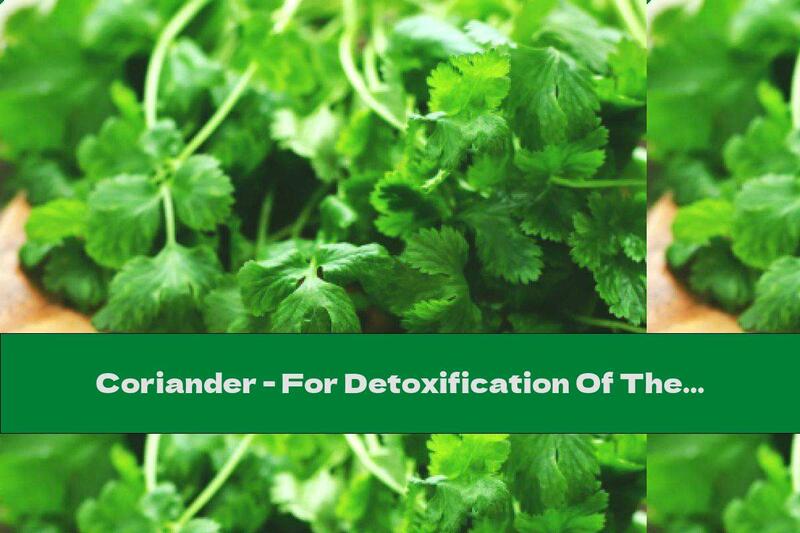
In this article, learn more about Coriander - For Detoxification Of The Body. Consumption of coriander can prevent the accumulation of lead in the body..
The use of coriander not only affects the taste of food, but also promotes health. The amount of ¼ cup of coriander - about 4 g, contains 1 calorie, 0 g fat, 0 g carbohydrates, 0 g protein. The same amount of an 2% of the daily need of the body of vitamin C and 5% of the required vitamin A .
The plant also contains vitamin K , as well as small amounts of folic acid, potassium , manganese and choline. Antioxidants such as beta-carotene, beta-cryptoxanthin, lutein and zeaxanthin can also be found in coriander .
Due to the high content of antioxidants , the oil extracted from coriander leaves has the ability to suppress unwanted oxidative processes in the body. When added to other foods, it slows down or prevents them from spoiling. The leaves of the plant also have an antibacterial effect against salmonella.
Laboratory tests have shown that coriander prevents the accumulation of lead in the body, leading experts to believe that it may be useful in combating toxicity caused by lead and other heavy metals.
Due to these properties, coriander has been studied by scientists as a way to naturally purify water. For the same reason, the plant has found a place in detox drinks .
Only coriander leaves should be used, separating the stems. Another important feature - coriander should be cut with a sharp knife, otherwise part of its taste is lost .
Experts remind that the diet is extremely important for disease prevention and maintaining good health. It is advisable to consume a variety of foods, instead of focusing only on certain products.
Related Articles
- The Role of Carbs in Coke: Effects on Your Body and Healthier Alternatives
- The Nutritional Benefits of Chalk: Calcium, Digestive Aid, Detoxification, and More
- The Power of Wheat Thistle: Benefits for Liver Health and Detoxification
- Santana’s Vegan Grill: Nourishing Your Body with Plant-Based Delights
- Nutrition and Detox: A Comprehensive Guide to Cleansing Your Body