Curcumin - Improves Memory And Mood
 Author: Ivan Red Jr.
Time for reading: ~1
minutes
Last Updated:
August 08, 2022
Author: Ivan Red Jr.
Time for reading: ~1
minutes
Last Updated:
August 08, 2022
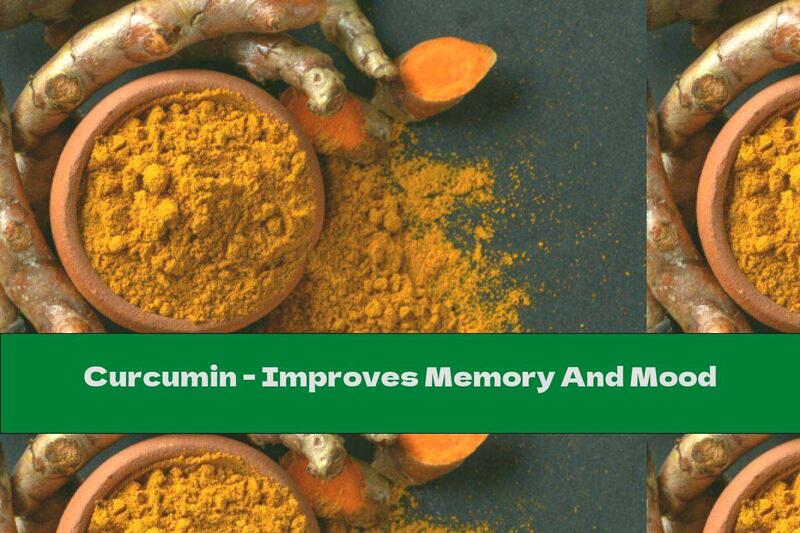
Curcumin has a positive effect on cognitive functions, helping to maintain memory and good mood.
Research has found that curcumin improves cognitive function by preventing neurodegenerative diseases such as memory loss .
The study looked at 259 potential volunteers between the ages of 50 and 90 who did not report neurological disease . They are divided into two groups, one taking curcumin daily and the other not.
The study lasted a year and a half, and the cognitive functions of the participants were assessed every six months by conducting various tests. Upon completion of the study, a blood sample is taken from patients to determine any changes in their genetic data.
The results of the study showed that participants who took curcumin improved their cognitive functions compared to others. In terms of brain activity, the researchers found that there were significant differences between those who took curcumin and those who did not.
Experts conclude that daily consumption of curcumin helps to improve age-related memory and reduce the likelihood of neurodegeneration.
Curcumin is a polyphenolic derivative of turmeric that improves mood, concentration in adults and cognitive disorders. It has antimicrobial and anti-inflammatory properties.
Curcumin is widely used because it has the ability to reduce brain damage that is associated with Alzheimer's disease. The disease is characterized by the accumulation of amyloid plaques, which can be cleared thanks to curcumin. Alzheimer's disease is also the most common neurodegenerative disease and the leading cause of dementia.
Curcumin also has a positive effect on diseases such as depression, epilepsy and other brain disorders. It also reduces the risk of hypertension, lowers cholesterol, prevents tumors and some cancers, as well as blood clots, reduces swelling, psoriasis, regulates diabetes and protects the liver from the accumulation of toxins.
However, curcumin should be taken in a relatively safe form and in moderation in order to provide maximum benefits for cognitive function and to prevent neurodegenerative diseases that may occur with age.
Related Articles
- The Power of E100 (Curcumin) in Nutrition: Benefits, Sources, and Recipes
- The Role of Tyrosine Hydroxylase in Nutrition: Impact on Mood & Cognition
- The Power of 5-HTP: Benefits for Mood, Sleep, and Nutrition
- The Power of 5-HTP: Benefits for Weight Loss, Mood, and Sleep
- The Power of 5-HTP: Benefits for Mood, Weight, Sleep, and Fibromyalgia
Top Nutrition Articles Today
- . Calcium In Lentils
- . The Power of Red Foods: Health Benefits and Nutrition Guide
- . How To Cook Puff Pastry Hot Dog Pie - Recipe
- . The Nutritional Benefits of Scotch: Improving Cardiovascular...
- . Diet After Surgery Of The Small And Large Intestine
- . Nutrition Boost: Functional Properties in Muffins for Health...
- . The Ultimate Guide to Using Ammonium Carbonate in Baking
- . The Ultimate Guide to Non Starchy Carbs: Benefits, Examples,...
- . The Ultimate Guide to Creating a Well-Structured Diet Plan f...
- . The Ultimate Guide to Hormone Type 6 Diet Plan for Weight Lo...