Denmark Bans Food Packaging With PFAS
 Author: Nia Rouseberg
Time for reading: ~2
minutes
Last Updated:
August 08, 2022
Author: Nia Rouseberg
Time for reading: ~2
minutes
Last Updated:
August 08, 2022
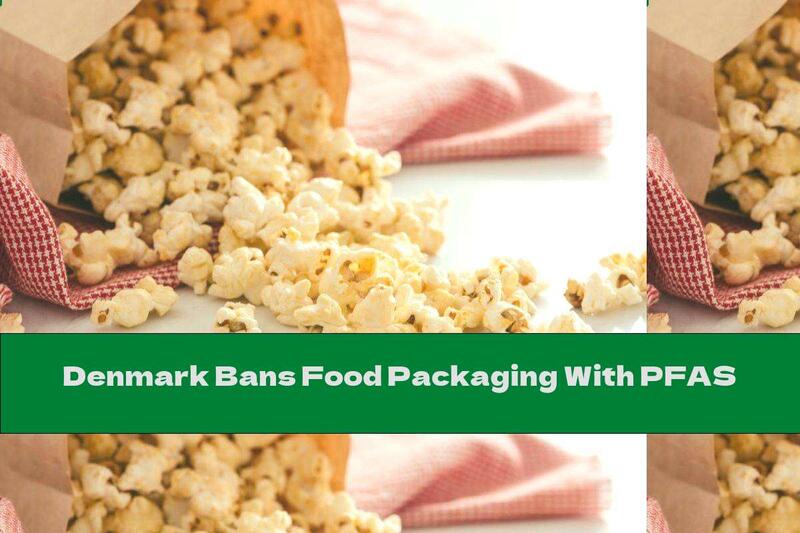
Denmark will be the first country to ban food packaging containing PFAS chemicals harmful to health and the environment
Denmark will be the first country in the EU to ban food packaging containing proven harmful per- and polyfluoroalkyl compounds (PFAS). Various studies show that the chemicals PFAS are directly linked to the development of cancer, high cholesterol and damage to the human reproductive system. They are often called "chemicals forever" because they do not break down in the environment - they are used to repel fat and water in Teflon-coated containers and packaging for greasy and moist foods such as burgers, fries, popcorn and pastries.
"We refuse to accept more the risk of harmful fluorinated substances (PFAS) migrating from our food packaging. These substances are such a health problem that we can no longer wait for EU action, "Danish Trade and Development Minister Mogens Jensen said in a statement. Under the new measures that the country will take, baking paper and packaging for popcorn prepared in the microwave, for example, will have to be produced without any PFAS substances.
"We congratulate Denmark on its leading position on the subject and hope that it will encourage similar actions in the EU, the US and the rest of the world," said a prominent biochemist and green activist from the Institute for Green Science Policy and the Department of Chemistry at the University of California. Berkeley Arlene Bloom.
PFAS chemicals began to be produced in the 1940s and are most commonly found in Teflon and water repellents, paints, cleaners, food packaging and fire-fighting foam. They easily pass into the air, food, soil and water.
Over time, science has accumulated ample evidence that there are potential adverse health effects associated with PFAS exposure, including liver damage, thyroid disease, reduced fertility, high cholesterol, obesity, hormone suppression, and the development of malignancies.
In an official statement, the Danish Veterinary and Food Administration states that the substances are very difficult to degrade in the environment and some of them accumulate in humans and animals.
The new ban covers the use of PFAS compounds mainly in cardboard and paper materials that come into contact with food. The government said the country would continue to use recycled paper and food packaging paper, but added that PFAS compounds should be separated from food by a barrier that ensures they are not carried in.
PFOS and PFOA (bisphenol A) are the two most studied chemicals that have been identified as pollutants by the US Environmental Protection Agency.
PFOS production was voluntarily discontinued by large companies in the United States as early as 2000. In 2006, the use of PFOA overseas was gradually reduced. In the EU, a clear ban on the use of bisphenol A came into force in 2011, as it was assumed that "the toxic substance may affect the human reproductive system".
Related Articles
- Nutrition for Respiratory Health: Supporting Your Lungs with the Right Foods
- The Ultimate Guide to High Gluten Foods: Benefits, Sources, and Recipes
- The Ultimate Guide to High Gluten Foods: Effects, Benefits, and Recipes
- The Ultimate Guide to Lactic Acid in Nutrition: Benefits, Food Sources, and Recipes
- The Nutritious World of Wendy's Salads: A Healthy Fast Food Option
Top Nutrition Articles Today
- . Foods High In Folate And B12
- . Chicory: 15 Health Benefits, How To Drink, Contraindications...
- . Dishes From Neighboring Countries That We Love: Potato Panca...
- . What To Cook With Sweet Potato
- . The Ultimate Guide to Vitamin E in Nutrition: Sources, Benef...
- . The Essential Role of Copper (Cu) in Nutrition: Sources, Ben...
- . Nutritional Benefits of Pizza: Key Nutrients, Healthier Opti...
- . The Delicious and Nutritious World of Minibrownies: A Guide...
- . The Complete Guide to E339ii in Nutrition: Benefits, Regulat...
- . The Role of Samarium in Nutrition: Benefits and Food Sources