Diet During Pregnancy Is Extremely Important
 Author: Karen Lennox
Time for reading: ~3
minutes
Last Updated:
August 08, 2022
Author: Karen Lennox
Time for reading: ~3
minutes
Last Updated:
August 08, 2022
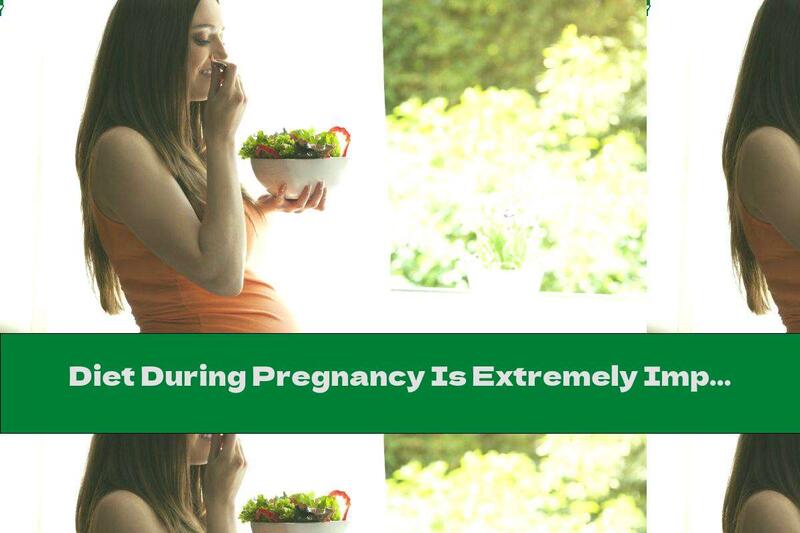
In this article, learn more about Diet During Pregnancy Is Extremely Important. During pregnancy, the body needs more energy and more vitamins and minerals..
Nutrition during pregnancy is of great importance for the proper development of the fetus, but also for the health of the mother. A varied and balanced diet provides the necessary nutrients for the fetus without affecting the mother's body, and also reduces the risk of gaining extra pounds.
Energy needs during pregnancy increase significantly due to the rapid growth and development of the fetus. With the exception of iron, most women can meet these increased energy needs through careful food selection. Diets for pregnant women include foods with a high nutrient density.
During pregnancy, macronutrients (carbohydrates, proteins, fats) provide the necessary energy to build tissue. They are the building blocks that build the placenta and ensure the growth of the fetus.
There is no increased need for energy during the first trimester of pregnancy. Ie during the first three months of pregnancy you do not need to eat more, you need to choose a variety of healthy foods that provide the necessary vitamins and minerals for the body. For example, drinking fresh orange juice is preferable to a carbonated beverage, raw nuts are preferable to baked or other processed products such as chips and snacks.
During the second and third trimesters, the daily caloric intake should increase by about 350 to 450 kcal / day. For women whose usual diet is about 2000 kcal per day, an additional 400 kcal represents only a 20% increase in energy intake. For example, a glass of milk with a slice of graham bread, spread with jam are about 400 kcal. At the same time, the needs for certain vitamins and minerals increase by more than 50%. It is not the quantity of food that is important that matters, but its quality.
Proteins . During pregnancy, protein intake should be increased by about 1-1.5 g per kilogram of body weight. For a woman weighing 65 kg, the daily protein needs increase by about 90 g. A sandwich with turkey and yellow cheese would provide the extra amount of protein for the day. Dairy products, meat, fish, eggs, beans, lentils, nuts and seeds, and soy products are rich sources of protein.
Carbohydrates . Pregnant women are advised to strive for a carbohydrate intake of at least 175 g per day. All pregnant women should be aware of the risk of a low carb diet. Glucose is the main fuel for the developing fetus. Therefore, expectant mothers need to get enough carbohydrates from healthy sources throughout the day.
Supplemental carbohydrates may increase the risk of high blood sugar. Normal intake ensures the maintenance of normal physical activity. Most of the carbohydrates you eat should come from whole grains - whole grain breads, brown rice, fresh fruits and vegetables and legumes. In addition to being a source of carbohydrates, these foods contain B vitamins and fiber, which support the activity of the stomach and intestines.
Fat . The body's requirements for fat do not change during pregnancy. Expectant mothers should be aware that fat plays a major role in building the cells and tissues of the fetus. Therefore, adequate fat consumption is extremely important. Moreover, in the third trimester, the fetus begins to accumulate fat, which will serve as its main source of energy in the first days of life. Without the necessary fat, the newborn would not be able to adequately control his body temperature.
Eating the right amount of fat is extremely important. As with everyone else, pregnant women should limit their intake of saturated (animal fats) and trans fats because of their negative effects on the cardiovascular system. Omega-3 polyunsaturated acids are essential for the development of the nervous system and vision of the fetus.
During the third trimester, the fetal brain undergoes the most rapid growth and development. During this period, the intake of omega-3 fatty acids is extremely important. A rich source of these useful fats are fish such as anchovies, mackerel, salmon, sardines. In addition, pregnant women should be aware of the problem of mercury pollution in marine species. Even small amounts of mercury can damage the nervous system of the fetus. For this you need to choose the sources from which you get your fish.
Related Articles
- The Nutritional Value of Avocado Calories: Benefits, Diet Tips, and Recipes
- The Ultimate Guide to Diet ��� 7 for Improved Nutrition
- The Nutritional Value of Potato Chips: How They Fit Into a Healthy Diet
- Nutritional Benefits of Chowmein: A Healthy Addition to Your Diet
- The Ultimate Guide to a Healthy Diet: Benefits, Components, and Tips
Top Nutrition Articles Today
- . The Importance of Carotene in Nutrition: A Complete Guide
- . Cochineal Extract Food List: Nutritional Value, Health Benef...
- . The Truth About Potato Chips: Health Effects and Alternative...
- . The Ultimate Guide to Lean Meat in Nutrition: Benefits, Type...
- . Camel Meat
- . The Role of Water in Nutrition: Importance and Benefits
- . The Nutritional Benefits of Figs: A Fiber-Rich Fruit Packed...
- . 7 Foods For Bigger And Firmer Breasts
- . List of Foods that Contain Carrageenan: A Guide to Avoiding...
- . Foods For A Regular Stomach