Diet For Adrenal Fatigue
 Author: Alexander Bruni
Time for reading: ~2
minutes
Last Updated:
August 08, 2022
Author: Alexander Bruni
Time for reading: ~2
minutes
Last Updated:
August 08, 2022
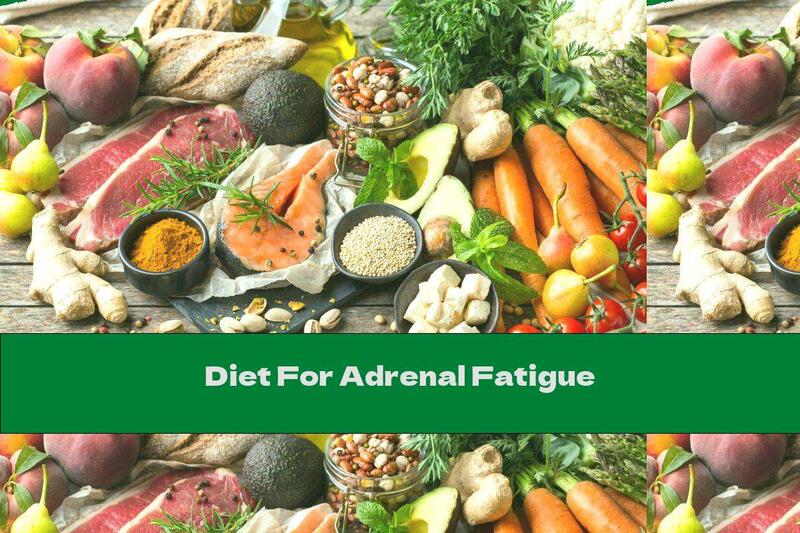
The purpose of the diet is to increase energy levels in a natural way so as not to burn stored nutrients.
What is the diet for adrenal fatigue?
The adrenal fatigue diet (adrenal fatigue) is a diet to control stress on the adrenal glands . The adrenal glands are located on the upper front of each of the two kidneys. They produce several important hormones that regulate stress and metabolism.
Exhausted adrenal gland syndrome occurs when the adrenal glands cannot function properly. The adrenal fatigue diet promotes:
- Proper functioning of the adrenal glands;
- Maintaining healthy blood pressure;
- Increasing healthy nutrients in the body;
- Mastering stress levels
This diet is similar to most balanced diets that are recommended and usually includes:
- Foods that are rich in protein;
- Vegetables;
- Whole grains
The purpose of the diet is to increase energy levels in a natural way so as not to burn stored nutrients.
The diet for adrenal fatigue is still the subject of research. This is partly because experts are still studying adrenal fatigue, but it has been shown that eating a healthier diet and adopting a healthier lifestyle can make the patient feel better physically and mentally.
What is adrenal fatigue?
Adrenal fatigue occurs as a result of chronic stress and adrenal insufficiency associated with a deficiency of one or more hormones produced by the adrenal glands.
The adrenal glands are responsible for the production of cortisol . Cortisol is a hormone that helps regulate blood pressure .
When experiencing chronic stress or anxiety, the adrenal glands may not produce enough cortisol. This condition is called adrenal insufficiency.
Symptoms of adrenal fatigue include:
- Nervousness;
- Chronic fatigue ;
- Digestive problems;
- Body aches;
- Dizziness;
- Low blood pressure;
- Weight loss;
- Hair loss
Adrenal fatigue is also associated with adrenal insufficiency. Symptoms of adrenal insufficiency include:
- Chronic fatigue;
- Loss of appetite;
- Stomach pain;
- Muscle weakness;
- Unexplained weight loss
In more severe cases of adrenal insufficiency, the patient may experience:
- Depression ;
- Nausea;
- Vomiting;
- Diarrhea;
- Low blood pressure;
- Hyperpigmentation (in which certain areas of the skin darken, spots form)
Which foods should be avoided in case of adrenal fatigue?
In the adrenal fatigue diet, doctors recommend limiting foods and beverages high in refined and processed sugar and unhealthy fats , while managing blood sugar levels.
Some foods that should be avoided include:
- White sugar;
- White flour;
- Alcohol;
- Caffeine;
- Carbonated drinks;
- Fried food;
- Processed foods;
- Fast food;
- Artificial sweeteners
Eating time is also important for regulating blood sugar and maintaining the adrenal glands. Skipping breakfast and lunch forces the body to burn stored nutrients and reduces energy levels. With a regular, healthy and balanced diet, energy and cortisol levels can be maintained throughout the day.
What foods should be consumed in case of adrenal fatigue?
It is important to increase the intake of vegetables to get the necessary amount of vitamins and minerals . It is also good to include foods high in vitamin C, B vitamins (especially B5 and B6) and magnesium in the diet to maintain healthy adrenal glands.
Some foods that should be consumed in a diet for adrenal fatigue include:
- Fish;
- Eggs;
- Meat;
- Legumes;
- Nuts;
- Leafy vegetables and other vegetables;
- Whole grain foods;
- Low sugar fruits;
- Sea salt in moderation;
- Healthy fats such as olive oil, coconut oil and grape seed oil
It is also important for the patient to stay hydrated. Dehydration can affect stress levels and force the adrenal glands to produce cortisol.
Related Articles
- The Nutritional Value of Avocado Calories: Benefits, Diet Tips, and Recipes
- The Ultimate Guide to Diet ��� 7 for Improved Nutrition
- The Nutritional Value of Potato Chips: How They Fit Into a Healthy Diet
- Nutritional Benefits of Chowmein: A Healthy Addition to Your Diet
- The Ultimate Guide to a Healthy Diet: Benefits, Components, and Tips