Diet Rich In Fiber - Against Food Allergies
 Author: Alexander Bruni
Time for reading: ~1
minutes
Last Updated:
August 08, 2022
Author: Alexander Bruni
Time for reading: ~1
minutes
Last Updated:
August 08, 2022
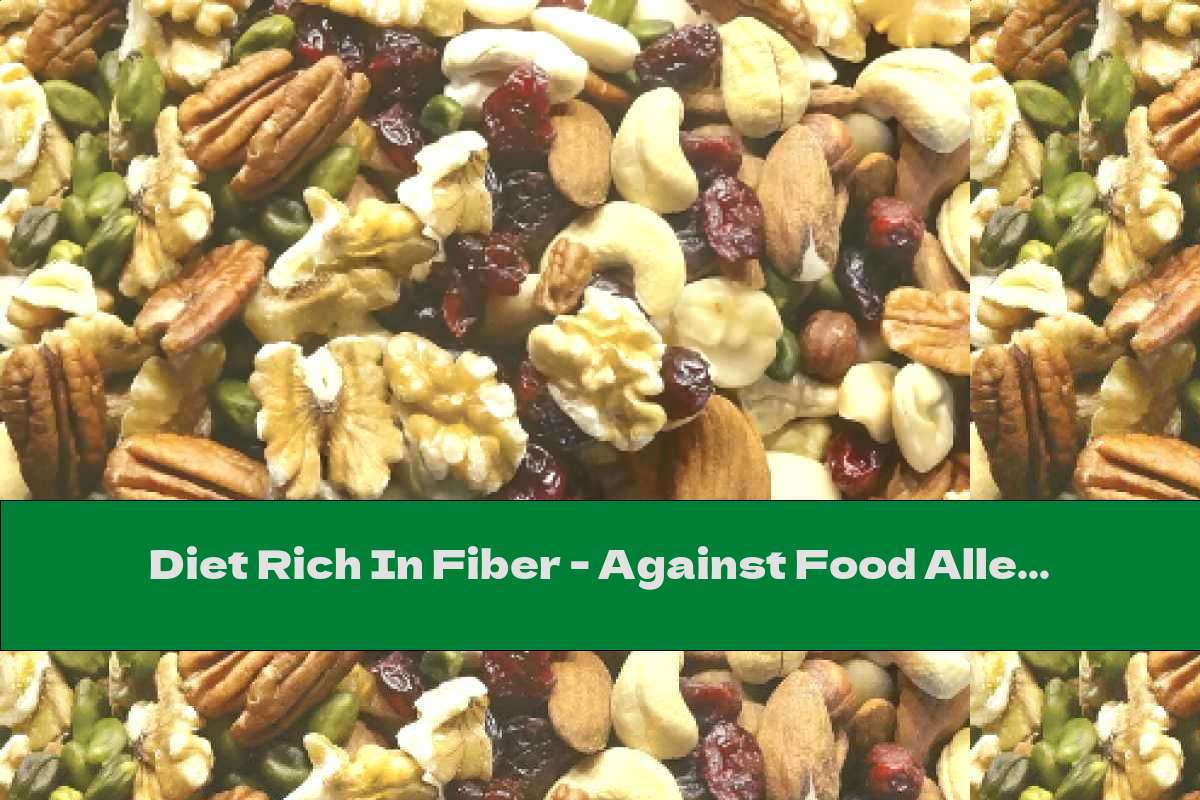
A diet that is rich in fiber and vitamin A can be a preventative measure against food allergies.
A diet rich in fiber and vitamin A can alter intestinal bacteria in a way that prevents or reverses food allergies , researchers say.
Several types of food provoke 90% of all food allergies. These are: peanuts , tree nuts, milk, wheat, soy, fish and other seafood.
Allergic reactions to food vary from person to person. These usually include itching or tingling in the mouth, rash, nausea or vomiting , stomach pain and diarrhea .
In more severe cases, swelling of the lips, tongue and / or throat may occur, as well as shortness of breath, difficulty swallowing, chest pain and a sudden drop in blood pressure levels.
Australian researchers are conducting a laboratory study, which shows that a diet rich in fiber and vitamin A , which is found in many fruits and vegetables , alleviates the onset of severe allergic reactions.
A more detailed analysis shows that the intestinal bacteria change . The researchers explain that they break down dietary fiber into short-chain fatty acids. Elevated levels of these fatty acids work with the body's immune system, preventing the "triggering" of the allergic response by dendritic cells. These cells regulate food allergies. Vitamin A is also important for their balance.
According to experts, their findings show that a diet low in fiber can "drive" food allergies . They also point out that eating a diet high in fiber and vitamin A can be a preventative measure to reduce the risk of developing food allergies.
The data from the study are published in the pages of Cell Reports magazine .
Related Articles
- Nutrition for Respiratory Health: Supporting Your Lungs with the Right Foods
- The Ultimate Guide to High Gluten Foods: Benefits, Sources, and Recipes
- The Ultimate Guide to High Gluten Foods: Effects, Benefits, and Recipes
- The Ultimate Guide to Lactic Acid in Nutrition: Benefits, Food Sources, and Recipes
- The Nutritional Value of Avocado Calories: Benefits, Diet Tips, and Recipes
Top Nutrition Articles Today
- . Steak Label
- . Healthy Food For Modern Man
- . How To Fry Porcini Mushrooms
- . The Ultimate Guide to Calcium Inosinate in Nutrition: Benefi...
- . Amino Acids in Nutrition: Importance, Types, and Optimizatio...
- . How To Know The Real Ice Cream?
- . Net Zero
- . Beer Also Protects Against Osteoporosis
- . Understanding Gassy Foods: Impact on Digestion and Low-Gas D...
- . The Importance of Supplements in a Healthy Diet - A Comprehe...