Don't Overdo It With Water - It Can Kill
 Author: Alexander Bruni
Time for reading: ~1
minutes
Last Updated:
August 08, 2022
Author: Alexander Bruni
Time for reading: ~1
minutes
Last Updated:
August 08, 2022
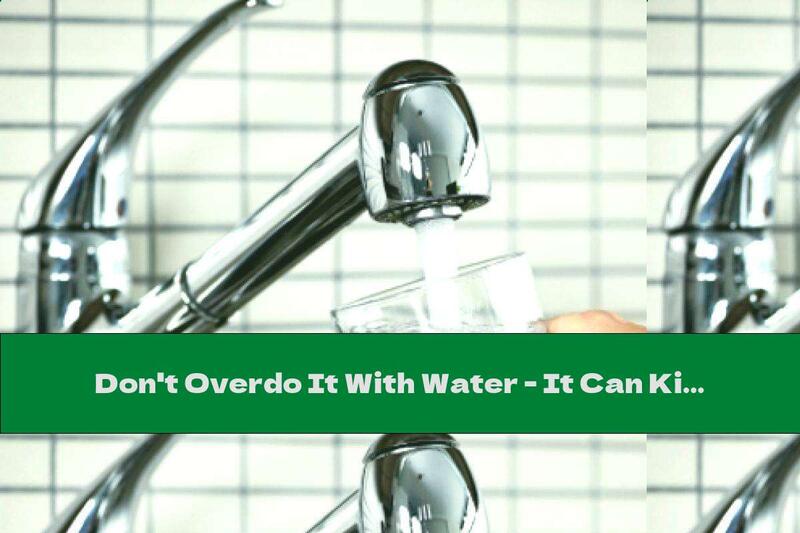
The theory of "water poisoning" is swirling among the scientific community, in which large amounts of water could lead to a fatal end for humans.
Water - the matter of life. About 70% of the earth's surface is covered with it, as well as the same amount in our body. It is needed for every metabolic process , including protein synthesis .
Scientists recommend drinking about 2 liters of water a day if you want to be healthy.
This is because the life-giving fluid clears all toxins from the body, helps to melt fat, reduces fluid retention and helps to better absorb other nutrients that we take with food.
However, experts are now divided into two on this issue - some researchers say that excess water can be especially harmful to the body.
Their main argument is that the intake of more than water the real needs of the body can lead to stress on the kidneys and general discomfort. Experts point out that we should drink water only when we feel thirsty.
Of course, healthy kidneys can filter 20 liters of water a day, but a person is not able to drink that much. And in certain diseases, drinking a lot of fluids is downright harmful.
People with high blood pressure should abruptly limit fluids and salt. Also, those with heart disease, new studies show.
It is also clear that overhydration can lead to profuse and constant sweating, as well as cause insomnia. The theory that there is "water poisoning " in which large amounts of water could lead to a fatal end for humans is also swirling among the scientific community .
A good indicator of the body's need for water is the color of urine: a body saturated with water excretes colorless urine, and a relatively dehydrated person - yellow.
In severe dehydration, the color of the urine is orange.
Related Articles
- Nutrition for Respiratory Health: Supporting Your Lungs with the Right Foods
- The Role of Water in Nutrition: Importance, Hydration, and Weight Management
- Boost Digestive Health with Buffer 500 - Benefits & Recipes
- Boost Your Health with Buffer 500: Benefits, Recipes, and More
- Nutrition and Libido: Enhance Your Sex Drive with the Right Foods
Top Nutrition Articles Today
- . Health Benefits And Harms Of Cocoa, How To Drink, Recipes
- . Steak Label
- . Nutrition By Blood Type: Table Of Allowed And Prohibited Foo...
- . Grapefruit - For Colds And Flu
- . Myra E: Benefits for Nutrition, Diets, and Recipes
- . The Ultimate Guide to Potassium Nitrate in Nutrition
- . How To Freeze Quince
- . The Ultimate Guide to Hickory Smoked Bacon in Nutrition and...
- . The Role of Sodium Malate in Nutrition: Benefits, Concerns,...
- . The Truth About Potato Chips: Health Effects and Alternative...