Fiber In Food Brings More Health
 Author: Karen Lennox
Time for reading: ~1
minutes
Last Updated:
August 08, 2022
Author: Karen Lennox
Time for reading: ~1
minutes
Last Updated:
August 08, 2022
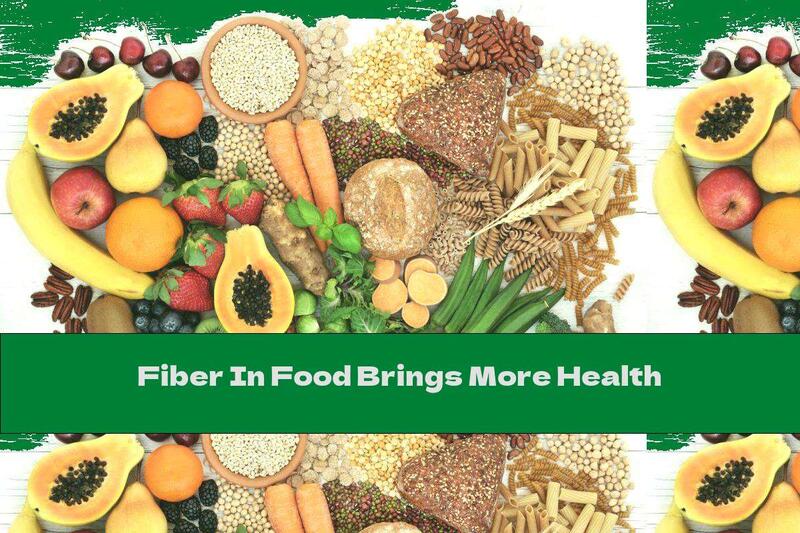
Daily fiber intake prevents chronic diseases such as heart problems, diabetes, respiratory diseases and cancer.
New research is trying to find the ideal amount of fiber that should be consumed to prevent chronic diseases. These include heart problems, diabetes, chronic respiratory diseases and cancer.
Professor Jim Mann of the University of Otago, New Zealand, who is also the author of the study, explains that one indicator has been studied so far and so it has not been possible to determine which foods to eat and which not to prevent disease. According to the research team, the ideal daily fiber intake is between 25 and 29 grams. This is shown by the results of 58 clinical trials of over 4,600 people over almost 40 years.
According to studies, people who consume enough fiber are between 15 and 30% less likely to develop chronic disease than those who consume the least fiber. Foods rich in fiber reduce the incidence of coronary heart disease, stroke, type 2 diabetes and colon cancer by 16-24%.
High-fiber foods include whole grains such as brown rice, foods including rye, barley and others, fruits such as bananas, oranges, apples and strawberries. The darker the color of the vegetables, the higher their fiber content. Among them are carrots, beets, broccoli, spinach and others. Legumes are also very rich in fiber. These include legumes such as peas, beans, lentils, chickpeas. The nuts that contain the most fiber are almonds, pistachios, pumpkin and sunflower seeds.
Researchers also say that consuming more fiber is also associated with lower weight and lower cholesterol levels. According to them, the reason is that high-fiber foods require more chewing, which helps control weight.
The authors of the study say that consuming more than the recommended daily intake of fiber - between 25 and 29 grams can lead to even greater health benefits. On the other hand, they warn that the exact benefits of higher consumption are still being studied.
Related Articles
- The Power of Honeysuckle: Health Benefits and Recipes
- The Ultimate Guide to Hickory Smoked Bacon in Nutrition and Healthy Eating
- Nutritional Benefits of Fruit Skewers in Honey Syrup: A Delicious and Healthy Recipe
- Nutrition Guide: Fruitskewers in Honey Syrup - Benefits, Recipes, and More
- Nutritional Benefits of Fruit Skewers in Honey Syrup: A Healthy and Delicious Snack
Top Nutrition Articles Today
- . Grapefruit - For Colds And Flu
- . How To Freeze Quince
- . The Role of Sodium Malate in Nutrition: Benefits, Concerns,...
- . The Ultimate Guide to Potassium Nitrate in Nutrition
- . Myra E: Benefits for Nutrition, Diets, and Recipes
- . The Truth About Potato Chips: Health Effects and Alternative...
- . The Ultimate Guide to Hickory Smoked Bacon in Nutrition and...
- . 10 Foods You Can Eat On An Empty Stomach
- . Foods High In Folate And B12
- . The Essential Role of Copper (Cu) in Nutrition: Sources, Ben...