Fiber - What Are Their Greatest Benefits?
 Author: Joe Fowler
Time for reading: ~3
minutes
Last Updated:
August 08, 2022
Author: Joe Fowler
Time for reading: ~3
minutes
Last Updated:
August 08, 2022
CHAPTERS (Table Of Contents)
Fiber is a type of carbohydrate that is good for the body and cannot be absorbed
Fiber is a type of carbohydrate that is good for the body and cannot be absorbed. They support the intestinal flora and prevent overeating. Fiber is found mostly in oats, in many fruits and vegetables. According to researchers at Harvard University, they must be present in our daily menu.
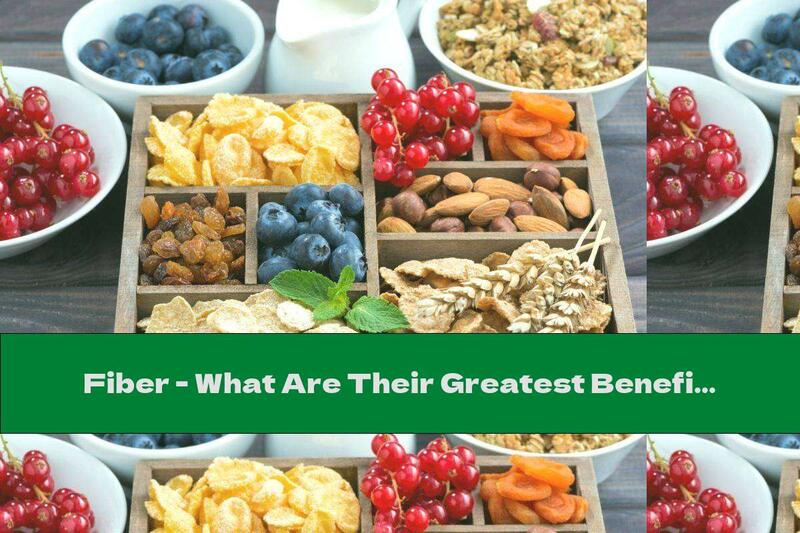
There are two types of fiber - soluble and insoluble. The former dissolve successfully in water and control cholesterol and blood sugar levels in the body. These are found in oatmeal, apples, blueberries, bov and nuts. The second type of fiber is insoluble in water and can be used as a laxative. They are most common in various seeds and skins of fruits, wheat and brown rice.
The amount of fiber we need to take per day depends on age. Most guides recommend 28 to 34 grams of fiber per day for men and 22 to 28 grams of fiber per day for women (if they are between 18 and 50 years old). We can get them by eating at least five servings of fruits and vegetables a day, more whole grains for breakfast, and more beans, lentils and peas once a week.
Some of the richest sources of fiber:
- Vegetables - broccoli, peas, spinach and artichokes;
- Fruits - blackberries, raspberries, pears, prunes and avocados;
- Cereals - whole grain, barley, oatmeal and bran;
- Nuts - almonds, Brazil nuts, pistachios and walnuts;
- Legumes - lentils and different types of beans.
It has been proven that fiber consumption supports many processes in the body and prevents the development of various diseases.
One of the biggest benefits of fiber is that it helps with constipation. They help the stool to become softer and pass more easily through the digestive tract. If the foods we eat do not contain fiber and minerals, constipation is present. That's why it's good to think about more variety in the products we buy.
As well as relieving constipation, fiber also takes care of our intestinal flora in diarrhea, if it is moderate. This is due to their ability to normalize intestinal juices and stimulate the secretion of mucus in the small intestine. Thanks to the fiber taken from food, the work of the stomach is gradually restored, as they absorb a large part of the excess water.
Another advantage of fiber is that it controls cholesterol. The use of flaxseed fiber has been shown to reduce the level of bad cholesterol in the body and increase fat excretion. They also play an important role in maintaining the body's energy balance.
Dietary fiber is recommended for many people because it also controls blood sugar levels, which is essential for reducing the risk of diabetes. Diabetics, who include more fiber in their diet, may lower their glucose levels slightly due to eating fibrous foods.
Fiber not only speeds up the passage of food through the intestinal tract. They prevent diverticulosis disorders. They cleanse the intestines of toxins.
A very important advantage of fiber is that it is an easy and affordable means to combat clogram and unhealthy lifestyle. They give us a feeling of satiety and can be a substitute for sweet foods that we like to eat late in the afternoon.
Foods containing soluble fiber, such as barley, beans and lentils, have a good effect on cholesterol levels and normal heart function. Citrus fruits also have a similar effect on the human system, according to a study by Harvard University. Last but not least, they increase bone mineral density in children and adolescents. Therefore, doctors recommend that children eat oatmeal for breakfast at least twice a week.
Related Articles
Top Nutrition Articles Today
- . The Role of Nitrogen in Nutrition: Importance and Sources
- . Nutrition In Hyperopia (farsightedness)
- . What To Cook With Sweet Potato
- . 5 Recipes For Potato Casserole In The Oven
- . How To Cook Lunch For School: Pizza, Salad, Raw Candy, Pear,...
- . Cooking A Festive Dinner In A Slow Cooker
- . How To Make Easy Potato Salad
- . How To Fry A Potato With A Crust
- . Understanding Cholesterol in Nutrition: Impact, Types, and R...
- . Nutritional Benefits of Fruit Skewers in Honey Syrup: A Heal...