Figs Improve Heart Health
 Author: Victoria Aly
Time for reading: ~2
minutes
Last Updated:
August 08, 2022
Author: Victoria Aly
Time for reading: ~2
minutes
Last Updated:
August 08, 2022
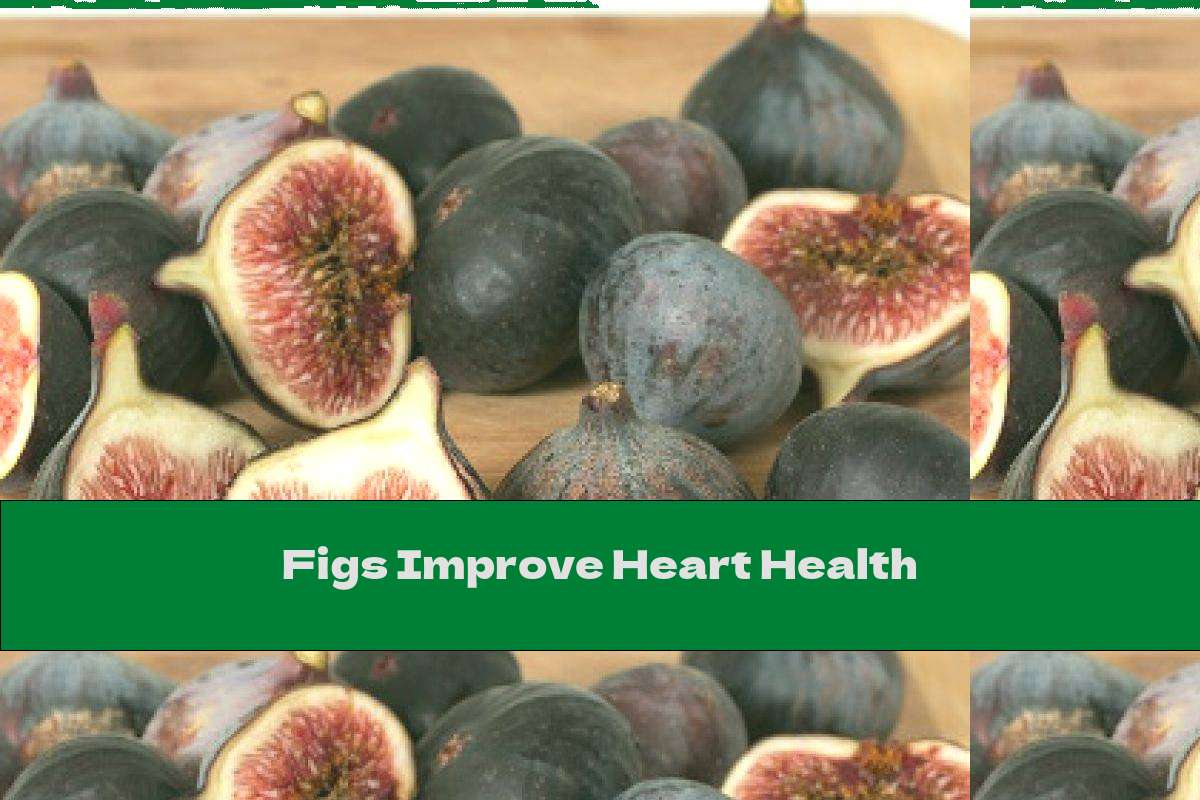
Consumption of figs improves heart health, helps to lose weight and better digestion
Fig contains various substances that improve the condition of the skin, hair, prevent the appearance of various diseases.
Usually the water content in fresh figs is between 68 and 82%. Fruit acids in them vary from 0.18 to 0.47%. Figs also contain a large amount of sugars - from 14 to 23.0%, of which from 13 to 21.0% monosaccharides (glucose and fructose); from 1.3 to 2.5% pectin ; minerals such as potassium - 303 mg%, calcium - 53 mg%, magnesium - 22 mg%, phosphorus - 36 mg%, sulfur - 10 mg%, and a small amount of manganese .
The composition of dried figs is slightly different. In them the water is significantly less - from 0.38 to 0.58%; between 48 and 60% sugars, of which monosaccharides - from 48 to 56.0%; pectin; 3.6% protein; as well as minerals such as potassium - 964 mg%, calcium - 162 mg%, phosphorus - 116 mg%, magnesium - 71 mg% and others. The dried fruit also contains vitamins such as B1, B2, PP, E, and a large amount of oxalic acid.
The fruit improves heart health. It is rich in potassium, which controls blood pressure levels. The soluble fiber and pectin present in figs move freely through the body and regulate cholesterol in the body. The fruit lowers triglyceride levels in the body, which is important in the fight against cardiovascular disease. Some dried figs contain phenol, omega 3 and omega-6 fatty acids, which reduce the risk of coronary heart disease.
Figs are a source of dietary fiber. So we can eat them, satisfy the body's desire for sweets and at the same time not fill up. In addition, fiber acts as a natural laxative and thus eliminates harmful substances from the intestines. The lower the levels of toxins, the more weight loss is enhanced.
More frequent consumption of figs improves digestion. The presence of the above-mentioned fibers acts as a natural laxative. It is therefore recommended for people suffering from constipation and irritable bowel syndrome. The probiotics in the fruit improve digestion thanks to the good bacteria.
The antioxidants in figs remove free radicals and other harmful substances that cause cancer. Frequent consumption of fruit protects against breast cancer after menopause.
Consumption of three or more figs a day reduces the risk of developing macular degeneration, which occurs with age. High levels of antioxidants, carotenoids and vitamins A, C, and E improve vision.
The fruit has anti-diabetic properties. Potassium in figs helps regulate the amount of sugar that is absorbed after a meal.
Calcium in figs plays an essential role in bone density. Potassium, in turn, counteracts calcium loss and prevents bone thinning.
Related Articles
- The Power of Honeysuckle: Health Benefits and Recipes
- The Ultimate Guide to Hickory Smoked Bacon in Nutrition and Healthy Eating
- Nutritional Benefits of Fruit Skewers in Honey Syrup: A Delicious and Healthy Recipe
- Nutritional Benefits of Fruit Skewers in Honey Syrup: A Healthy and Delicious Snack
- Nutrition for Respiratory Health: Supporting Your Lungs with the Right Foods
Top Nutrition Articles Today
- . The Role of Silica in Vitamins: Benefits, Sources, and Recom...
- . Nutrition In Hyperopia (farsightedness)
- . Sea Buckthorn: Health Benefits And Harms
- . 7 Herbs for Fibroids: Managing Symptoms Naturally
- . One Meal a Day Menu: Benefits, Meal Planning, and Sample Men...
- . The Nutritional Benefits of Eggs: A Complete Guide
- . The Ultimate Guide to Chicken Nutrition: Importance, Benefit...
- . Fructose In Strawberries
- . How To Whip Sour Cream With Sugar
- . How To Cook Lunch For School: Pizza, Salad, Raw Candy, Pear,...