Food Allergies Are Exacerbated During The Summer Months
 Author: Joe Fowler
Time for reading: ~2
minutes
Last Updated:
August 08, 2022
Author: Joe Fowler
Time for reading: ~2
minutes
Last Updated:
August 08, 2022
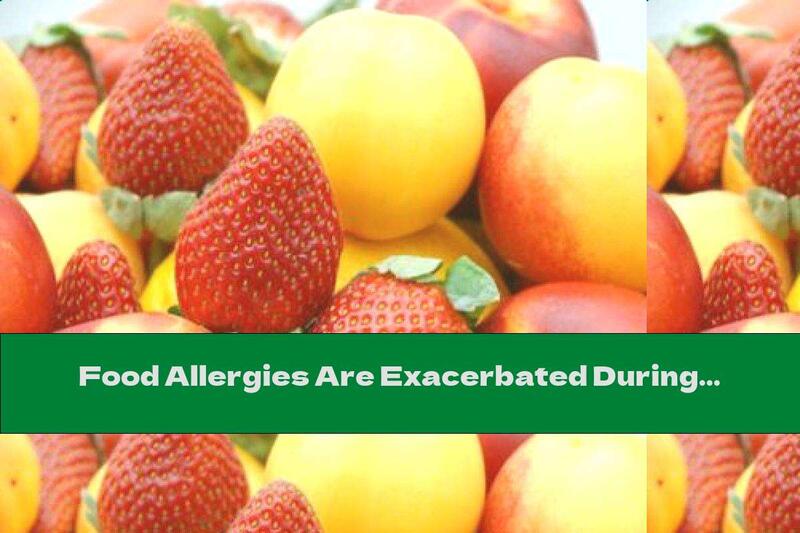
Most often, allergic reactions occur after eating fruits with hairy shells, such as apricots, peaches and strawberries ...
People who have any food allergies are usually aware of this problem. If they are not clear, the problem will certainly be clarified after consultation with a specialist.
When already diagnosed, diet therapy requires the exclusion of appropriate allergenic foods and medication that reduces the body's allergic reaction.
After a long period of treatment, with a changed allergic attitude of the body, with very careful and dosed inclusion of the respective food, the patient can switch to consumption.
Most often, allergic reactions occur after eating fruits with hairy shells, such as apricots, peaches and strawberries.
Particularly at risk for developing food allergies are young children, adolescents and the elderly. If an allergic reaction occurs, therapy requires the complete exclusion of allergenic foods.
Allergists believe that the reaction would be weaker if they are not consumed with the hairy shell or when drinking only the juice.
To avoid unpleasant consequences, before consuming, even minimal amounts of allergenic food, it is necessary to consult an allergist or a specialist in nutrition and dietetics.
Unfortunately, in people who are allergic to one factor, with inappropriate therapy, the range of factors that cause allergic reactions expands.
It is important that these patients are careful and, if possible, not to provoke allergic reactions.
Often, pollen, especially poplar moss, which is abundant in the air during the summer, can overload the immune system and provoke some food allergies. If patients suffer from hay fever but have not yet shown allergic reactions to food, they should be careful to consume highly allergenic fruits, especially mosses.
An allergic reaction in children can often be triggered by over-consumption of fresh cow's milk. The risk is also increased by consuming more than 700 milliliters of milk per day during pregnancy.
Milk is risky in terms of triggering an allergic reaction in the baby. For this reason, fresh and sour cow's milk, especially during breastfeeding, is not given to babies. Until they are one year old, only formulated milk are accepted.
Although the allergenic potential of yogurt is less, with its consumption in early childhood should also be careful.
Mothers should be informed and monitor their nutrition during pregnancy and breastfeeding, as well as that of the child. Babies are not given juices or drinks sweetened with honey, as honey is also allergic.
Care should be taken with the introduction of fresh milk, honey, with the first serving of strawberries and mossy fruits. During the period of their introduction, a well-dosed offer is applied and the first meeting with the new food must take place under strict control by the mother. It is advisable for women to be consulted in advance and informed by the pediatrician supervising the baby.
Related Articles
- Nutrition for Respiratory Health: Supporting Your Lungs with the Right Foods
- The Ultimate Guide to High Gluten Foods: Benefits, Sources, and Recipes
- The Ultimate Guide to High Gluten Foods: Effects, Benefits, and Recipes
- The Ultimate Guide to Lactic Acid in Nutrition: Benefits, Food Sources, and Recipes
- The Nutritious World of Wendy's Salads: A Healthy Fast Food Option