Food Allergy - How To Eat? (Part I)
 Author: Ivan Red Jr.
Time for reading: ~2
minutes
Last Updated:
August 08, 2022
Author: Ivan Red Jr.
Time for reading: ~2
minutes
Last Updated:
August 08, 2022
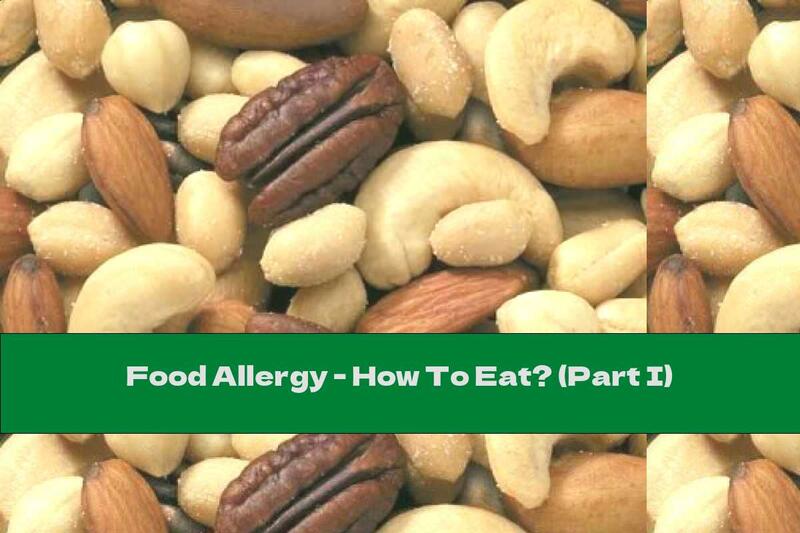
Many people who think they are allergic to food actually confuse intolerance to certain products with allergies.
Dairy products and flour are just part of a long list of foods that can cause an allergic reaction in adults and children.
It is difficult to determine which foods and nutrients the body's immune system responds to. Many people who think they are allergic to food actually confuse intolerance to certain products with allergies. In case of food intolerance, it is not necessary to avoid the product in question, as long as the allergy actually requires it.
Food allergy - what is it?
Food allergy is a predictable reaction of the body to a particular food product or group of foods. It is caused by an immune reaction to protein in the diet, leading to the sudden formation of antibodies, resulting in allergy symptoms.
Symptoms usually appear a few minutes to two hours after eating. They can range from moderate to rash, swelling and redness of the skin to a life-threatening condition with difficulty breathing and swelling of the throat and tongue.
It is recommended that allergy sufferers carry a pen with epinephrine in order to be able to react in a timely manner in case of a dangerous reaction of the body to food until the arrival of the emergency medical team.
Many affected people are initially allergic to one food product and then develop more. In others, the allergy grows. Usually, when you are allergic to a basic product, such as milk, it is necessary to limit a whole group of foods, in this case dairy products.
What are the most common food allergies
Eight products are the cause of 90% of food allergies: milk, eggs, peanuts, nuts, soy, wheat, fish, seafood (crab, shrimp, mussels, etc.).
In older children and adults, food allergies are most often to fish, peanuts, seafood and nuts. This type of allergy is in most cases serious, as it can lead to life-threatening conditions.
How to avoid an allergic reaction ?
If you want to protect yourself from the foods that most often cause allergies, you need to monitor the content of food.
Try to understand the set of products to which you are allergic. If you are reacting to milk protein, avoid all products made from or including milk, such as cheese, yellow cheese, cream, milk, butter, and products that contain whey, casein, caseinate, lactoglobulin, lactalbumin, nougat, cottage cheese. . Attention is required when buying margarine, ice cream, pastries, bread, soups, sauces and more.
People with allergies feel an improvement in their condition by following a diet that consumes as many natural products as possible or has undergone minimal technological processing. Usually these foods cause problems to a much lesser extent.
Related Articles
- Nutrition for Respiratory Health: Supporting Your Lungs with the Right Foods
- The Ultimate Guide to High Gluten Foods: Benefits, Sources, and Recipes
- The Ultimate Guide to High Gluten Foods: Effects, Benefits, and Recipes
- The Ultimate Guide to Lactic Acid in Nutrition: Benefits, Food Sources, and Recipes
- The Nutritious World of Wendy's Salads: A Healthy Fast Food Option
Top Nutrition Articles Today
- . How To Cook Squid Salad With Cucumbers, Olives And Onions -...
- . Diet After Surgery Of The Small And Large Intestine
- . Jam For Breakfast To Lose Weight? Why Not?
- . The Ultimate Guide to Bicarbonate in Nutrition: Sources, Ben...
- . The Importance of Food Labels in Nutrition: A Comprehensive...
- . What Are The Benefits Of Salmon Caviar
- . The Ultimate Guide to Magnesium Carbonate in Nutrition: Bene...
- . Understanding Emulsifier E481: Functions, Health Impact, and...
- . Rc Whey Protein
- . Non Protein Enzymes