Food Norms Given To Buddhist Monks
 Author: Victoria Aly
Time for reading: ~1
minutes
Last Updated:
August 08, 2022
Author: Victoria Aly
Time for reading: ~1
minutes
Last Updated:
August 08, 2022
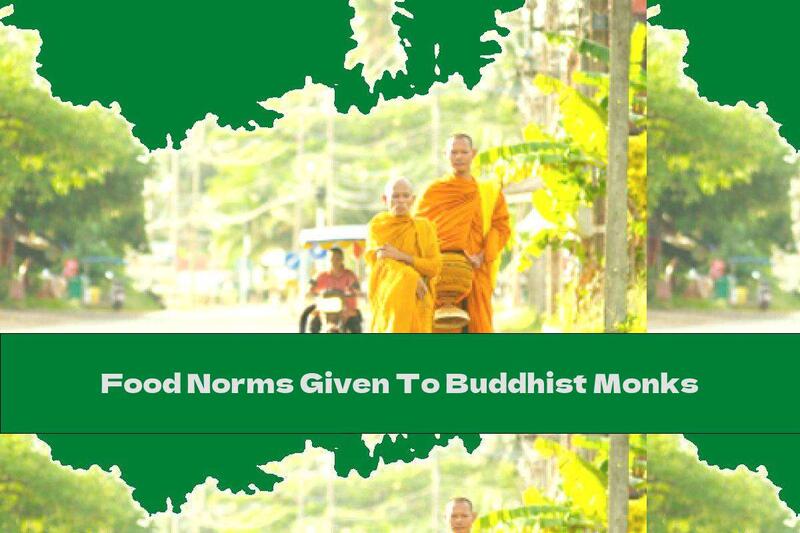
Some worshipers donate food that is high in cholesterol, but monks have no choice but to consume the food provided to them.
Buddhist pilgrims in Sri Lanka , who traditionally give food to monks, must adhere to a special list to reduce the risk of disease among clergy.
Traditionally, monks do not cook and depend on the food donations of the worshipers .
Data show an increase in diseases associated with the food consumed by monks. A typical example is the incidence of diabetes among Buddhist monks due to the frequent consumption of sweets and confectionery received as a gift from worshipers.
Although most of the food that monks receive is vegetarian, there are still some that are not that healthy, experts explain.
Some worshipers donate food that is highcholesterol content. The monks have no choice and consume the food provided to them.
The health of the clergy is further complicated by the fact that they do not engage in recreational or physical activities that burn calories.
Medical nutritionists prepare a special list for worshipers to follow when donating food to Buddhist monks.
According to them, this will significantly improve their health. The list includes plenty of fruits, vegetables , rice and water. Wheat foods are limited.
The Minister of Sri Lanka instructed the health authorities to open a special ward exclusively in the hospitals for the clergy.
However, the monks did not agree with this decision.
For thousands of years, it has been a tradition for worshipers to offer food that they themselves consume, Buddhist monks explain .
"We have to be content with what we are given and we should not ask for anything else," they added.
Related Articles
- Nutrition for Respiratory Health: Supporting Your Lungs with the Right Foods
- The Ultimate Guide to High Gluten Foods: Benefits, Sources, and Recipes
- The Ultimate Guide to High Gluten Foods: Effects, Benefits, and Recipes
- The Ultimate Guide to Lactic Acid in Nutrition: Benefits, Food Sources, and Recipes
- The Nutritious World of Wendy's Salads: A Healthy Fast Food Option
Top Nutrition Articles Today
- . Steak Label
- . THE EATING ORDER – FOOD SEQUENCE IS IMPORTANT
- . List of Foods that Contain Carrageenan: A Guide to Avoiding...
- . Nutrition and Albinism: Managing the Condition Through Diet
- . Understanding E476 in Nutrition: Benefits, Foods, Concerns,...
- . Diet for Fatty Liver and Alcohol-Induced: A Comprehensive Gu...
- . The Truth About Potato Chips: Health Effects and Alternative...
- . The Power of 100% Cocoa Dark Chocolate: Benefits and Uses
- . Nutrition and Aneurysm: Reducing Risk Factors and Supporting...
- . Hydrochloric Acid in Nutrition: Importance, Effects, and Sup...