Foods Rich In Flavonoids Lower Blood Pressure
 Author: Nia Rouseberg
Time for reading: ~1
minutes
Last Updated:
August 08, 2022
Author: Nia Rouseberg
Time for reading: ~1
minutes
Last Updated:
August 08, 2022
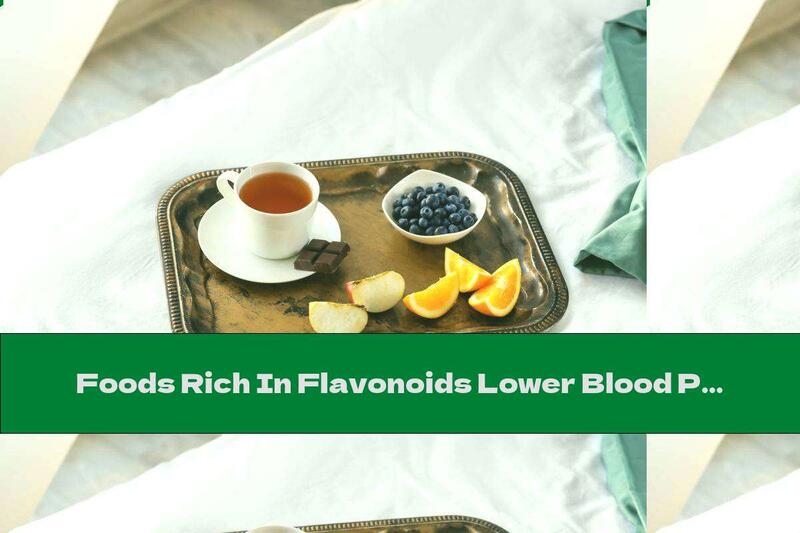
In this article, learn more about Foods Rich In Flavonoids Lower Blood Pressure. The main sources of flavonoids are tea, cocoa, apples and other fruits.
People who eat more flavonoid-rich foods and drinks such as apples, tea, chocolate and fruit have lower blood pressure .
This shows the first large-scale study of its kind, which uses objective data on the diet of the participants involved.
The study, published in Scientific Reports , looked at the link between diet and blood pressure in more than 25,000 people in the UK.
Unlike most other studies examining the relationship between nutrition and health , this time the researchers did not rely on the information provided by the study participants.
Instead, the intake of flavonoids is objectively established by measuring dietary biomarkers in the urine.
The difference in blood pressure between people with the lowest intake of flavonoids and those with the highest intake is between 2 and 4 mmHg .
This difference is comparable to the changes in blood pressure observed in people who follow a Mediterranean diet or other diet to combat hypertension .
"Previous studies have relied on participants' self-reports, but this is the first large study to objectively examine the relationship between a particular bioactive compound and health, " University of Reading nutritionist Prof. Gunter Kunle, who led the study, told Sciencedaily.
According to him, the study proves that there is a significant relationship between the consumption of flavonoids and lower blood pressure.
It confirms the results of previous studies on the effects of flavonoids and shows that blood pressure can be lowered with a normal diet, but with an increased intake of foods rich in flavonoids .
The main sources of flavonoids are tea, cocoa, apples and other fruits .
The study also showed that the greatest difference was observed in the participants with the highest blood pressure .
This suggests that increased intake of flavonoids may affect the incidence of cardiovascular disease .
Related Articles
- Nutrition for Respiratory Health: Supporting Your Lungs with the Right Foods
- The Ultimate Guide to High Gluten Foods: Benefits, Sources, and Recipes
- The Ultimate Guide to High Gluten Foods: Effects, Benefits, and Recipes
- The Nutritional Benefits of Toor Dal: Protein-Rich Recipes and Cooking Tips
- The Nutritional Benefits of Figs: A Fiber-Rich Fruit for Your Diet
Top Nutrition Articles Today
- . Fructose In Strawberries
- . One Meal a Day Menu: Benefits, Meal Planning, and Sample Men...
- . The Role of Silica in Vitamins: Benefits, Sources, and Recom...
- . Nutrition In Hyperopia (farsightedness)
- . The Nutritional Benefits of Eggs: A Complete Guide
- . Sea Buckthorn: Health Benefits And Harms
- . List of Foods that Contain Carrageenan: A Guide to Avoiding...
- . The Ultimate Guide to Chicken Nutrition: Importance, Benefit...
- . Nutrition Guide for Thyroidectomy Patients: Tips for a Healt...
- . How To Whip Sour Cream With Sugar