Foods That Improve The Immune System
 Author: Ivan Red Jr.
Time for reading: ~1
minutes
Last Updated:
August 08, 2022
Author: Ivan Red Jr.
Time for reading: ~1
minutes
Last Updated:
August 08, 2022
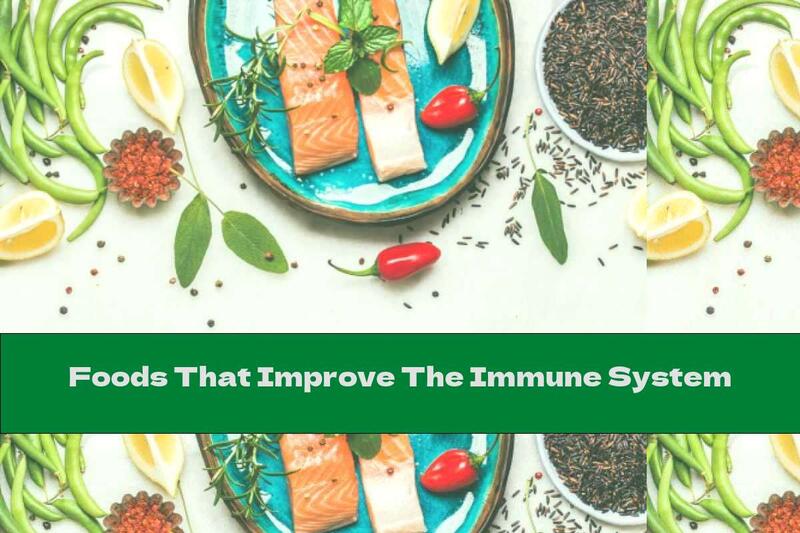
To stimulate immunity and prevent viruses, flu and colds in autumn and winter, it is recommended to consume these foods.
In the season of viruses and colds, immunity should be strengthened through a varied and healthy diet. Listed below are some of the foods that are helpful in boosting immune system functions.
First of all, an important spice for maintaining health is turmeric. Its main element - curcumin , has anti-inflammatory and antioxidant properties. It is also a powerful antioxidant that protects the body from viruses and bacteria. To absorb curcumin well, you can add a little green ginger and black pepper . Golden-colored pollen can be added to almost any dish or made into tea.
Yogurt is a source of beneficial probiotic bacteria, important for maintaining a healthy immune system and improving digestion. It is best to eat it in its pure form without fruit flavors and aromas, as they contain added sugar, which interferes with immune function. Instead, you can add a little cinnamon , honey or flax and chia seeds . People who do not like yogurt can find an alternative such as sauerkraut or other fermented foods.
Dark leafy vegetables are another type of food important for immunity. Cabbage, spinach, for example, provide important nutrients to the body such as vitamins, minerals, flavonoids and other compounds that fight inflammation caused by viruses and bacteria. Dark leafy vegetables also contain vitamin B, which is important for maintaining the stable levels of dopamine and serotonin needed for good mental health.
Frozen fruits are an ideal option for extracting antioxidants and other compounds even out of season. They can be prepared as oatmeal or added to yogurt. The fruits, despite processing, have retained vitamin C, which is an important antioxidant for the immune system. They also contain fiber, which improves digestion. For example, strawberries, blueberries or raspberries can be frozen.
Fatty fish such as sardines, salmon and tuna have been shown to be a rich source of vitamin D, playing an important role in maintaining a good immune system. It is recommended to eat fish two or three times a week, as it provides omega-3 fatty acids that counteract cortisol - the stress hormone.
To prevent viruses and colds in the fall and winter is also advised to frequent intake of hot tea, liquid foods, fruits, vegetables and plenty of water.
Related Articles
- Nutrition for Respiratory Health: Supporting Your Lungs with the Right Foods
- The Ultimate Guide to High Gluten Foods: Benefits, Sources, and Recipes
- The Ultimate Guide to High Gluten Foods: Effects, Benefits, and Recipes
- The Ultimate Guide to Diet ��� 7 for Improved Nutrition
- Nutrition and Libido: Enhance Your Sex Drive with the Right Foods
Top Nutrition Articles Today
- . E515: Potassium Sulphates and Potassium Bisulphates - Functi...
- . Steroids in Eggs: Separating Fact from Fiction | Nutrition a...
- . The Role of Disodium Diphosphate in Food: Uses, Health Conce...
- . Hydrochloric Acid in Nutrition: Importance, Effects, and Sup...
- . Breastfeeding A Baby With Low Blood Sugar
- . How To Cook Caramel Cream Mousse (for Cakes And Pastries) -...
- . Are Simple Sugars The Culprits For Most Diseases
- . Flatizza: A Healthier Alternative to Traditional Pizza
- . The 123 Approach to Nutrition: Benefits, Implementation, and...
- . Understanding Acidity Regulators in Nutrition: Types, Benefi...