For A Healthy Heart And Eyes - Apricot
 Author: Victoria Aly
Time for reading: ~1
minutes
Last Updated:
August 08, 2022
Author: Victoria Aly
Time for reading: ~1
minutes
Last Updated:
August 08, 2022
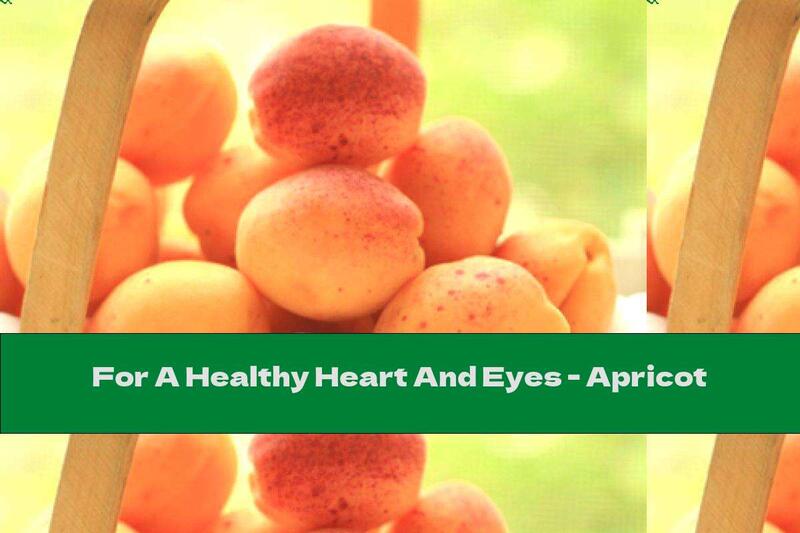
In this article, learn more about For A Healthy Heart And Eyes - Apricot. Apricot nourishes the eyes and heart..
Apricot is generously endowed with beta carotene and fiber.
Compared to the Approximate Daily Intake (ODP) in one cassia there is a whole wealth of useful substances: vitamin A - 13.4% of ODP; vitamin C - 5.8%; tryptophan - 3.1%; fiber - 2.7%; potassium 2.5% and only 16 calories , which is less than 1% of ODP.
The nutrients in apricots help protect the heart and eyes, bringing with them the anti-cancer properties of fiber. Beta carotene prevents the oxidation of "bad" LDL cholesterol, which is beneficial for the cardiovascular system.
The content of vitamin A is enough to support vision. The vitamin itself is a powerful antioxidant that prevents free radical damage to tissues susceptible to such damage as eye lenses .
When choosing fresh apricots, they should be deep orange, with no pale yellow areas. The fruit itself should be slightly soft - if it is hard as an apple, it has not ripened before harvesting. This makes it not only less tasty, but also less useful. The most mature fruits have the highest content of antioxidants and their color corresponds to the usefulness of the fruit.
If you buy dried apricots instead of fresh, you should know what they are treated with. Industrially dried apricots are often sprayed with sulfur dioxide during treatment or treated with sulfite compounds to increase their durability.
One in every hundred people is sensitive to sulfur compounds and may develop an allergic reaction. People with asthma should consume these fruits in moderation, as many of them are likely to develop an acute attack due to the presence of sulfur compounds.
Related Articles
- The Ultimate Guide to Hickory Smoked Bacon in Nutrition and Healthy Eating
- Nutritional Benefits of Fruit Skewers in Honey Syrup: A Delicious and Healthy Recipe
- Nutritional Benefits of Fruit Skewers in Honey Syrup: A Healthy and Delicious Snack
- The Nutritional Benefits of Salty Popcorn: A Healthy Snack Option
- The Nutritional Benefits of Popcorn: A Healthy Snack Option
Top Nutrition Articles Today
- . List of Foods that Contain Carrageenan: A Guide to Avoiding...
- . The Importance of Micronutrients in Chicken: A Complete Guid...
- . 10 Day No Sugar No Carb Diet
- . Healthy Food For Modern Man
- . The Power of Chaga Mushroom in Nutrition: Benefits, Uses, an...
- . Sea Buckthorn: Health Benefits And Harms
- . Calories In 3 Strawberries
- . The Truth About Potato Chips: Health Effects and Alternative...
- . The Power of Pear Puree: Nutrition, Health Benefits, and Rec...
- . Can You Take A Bath When You Have A Cold?