For The Mind Of Old, Eat Walnuts
 Author: Ivan Red Jr.
Time for reading: ~2
minutes
Last Updated:
August 08, 2022
Author: Ivan Red Jr.
Time for reading: ~2
minutes
Last Updated:
August 08, 2022
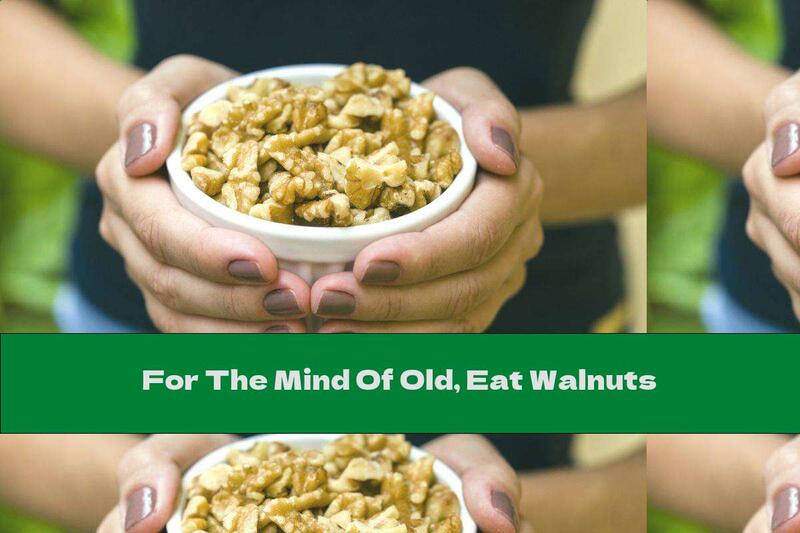
A randomized study shows the benefits of daily consumption of walnuts on mental cognitive health and the retina of the eyes.
Walnuts are rich in healthy fats, fiber, vitamins and minerals, which makes them a suitable health-promoting superfood. Until recently, we knew that the consumption of 30 g of walnuts a day improves blood cholesterol levels and has a beneficial effect on health in old age. So who wants to feel healthy in the old days is good to remember these nuts. A brand new study builds on our knowledge of the beneficial effects of walnuts.
According to him, they contribute to the slowing of cognitive decline in risk groups, such as the elderly and protect against retinal pathology.
The study was published in the American Journal of Clinical Nutrition and shows that daily consumption of walnuts in healthy adults for more than 2 years has a small beneficial effect on their cognitive functions. This means clear thinking, good memory, maintaining comprehension skills, full speech, etc. Moreover, the effect among adults who were heavy smokers or had a low rate of neuropsychological tests was much more noticeable.
The study included 708 people with an average age of 69 from Loma Linda, California and Barcelona, Spain. The volunteers were divided into two groups, one including walnuts in their daily menu and the other on the contrary. 68% of the volunteers are women.
Walnuts contain beneficial omega-3 fatty acids and polyphenols that counteract oxidative stress and inflammatory processes - factors that contribute to brain dysfunction and cognitive decline, and more.
When there is talk of an aging population in advanced economies for years , any information that reduces the risk of neurodegenerative diseases that develop with age, including dementia and macular degeneration, is more than valuable. It is known that with the onset of these diseases, the quality of life is impaired and there is a serious change in the behavior of the affected people, which seriously affects the whole family.
The lowering effect on blood cholesterol from the consumption of nuts, including walnuts, was first mentioned in the New England Journal of Medicine in 1993 by the same author of the present study, Joan Sabate of Loma Linda University.
This is the first large randomized study examining the effects of walnut consumption on the health of the elderly, focusing primarily on cognitive function, eye and vision health, specifically retinal condition, inflammatory processes and risk factors for cardiovascular disease.
The results were measured by neuropsychological tests, optical coherence tomography and magnetic resonance imaging, as well as biometric readings, blood pressure, serum and urinary biomarkers.
During the study period, the volunteers consumed 30-60 grams of walnuts per day.
The study was completed in June 2016, and until recently, researchers processed and analyzed the information collected.
Loma Linda University is known for its serious public health programs and the pioneering work of its research center in the field of public health.
Related Articles
- The Impact of How You Eat on Nutrition: Mindful Eating, Eating Speed, and More
- The Impact of How You Eat on Nutrition: Mindful Eating, Chewing, and More
- Journey to Vegan Nirvana: Nutrition, Mindfulness, and Recipes
- Understanding Calories in Starbucks Pumpkin Spice K Cups: A Guide to Mindful Indulgence
- The Role of CHARM in Nutrition: Calories, Healthy Eating, Active Lifestyle, Rest, and Mindfulness
Top Nutrition Articles Today
- . One Meal a Day Menu: Benefits, Meal Planning, and Sample Men...
- . Nutrition In Cardiomyopathy
- . Sardines - Good For Bones
- . The Truth About Potato Chips: Health Effects and Alternative...
- . The Importance of Magnesium Chloride in Nutrition: Benefits...
- . Understanding Emulsifier E471: Functions, Health Concerns, a...
- . List of Foods that Contain Carrageenan: A Guide to Avoiding...
- . 7 Foods That Stimulate The Release Of Serotonin And Dopamine
- . The Power of 100% Cocoa Dark Chocolate: Benefits and Uses
- . The Ultimate Guide to Bolay Nutrition Calories: Balancing, M...