Gluten And Gluten Intolerance - What Do We Need To Know?
 Author: Leticia Celentano
Time for reading: ~1
minutes
Last Updated:
August 08, 2022
Author: Leticia Celentano
Time for reading: ~1
minutes
Last Updated:
August 08, 2022
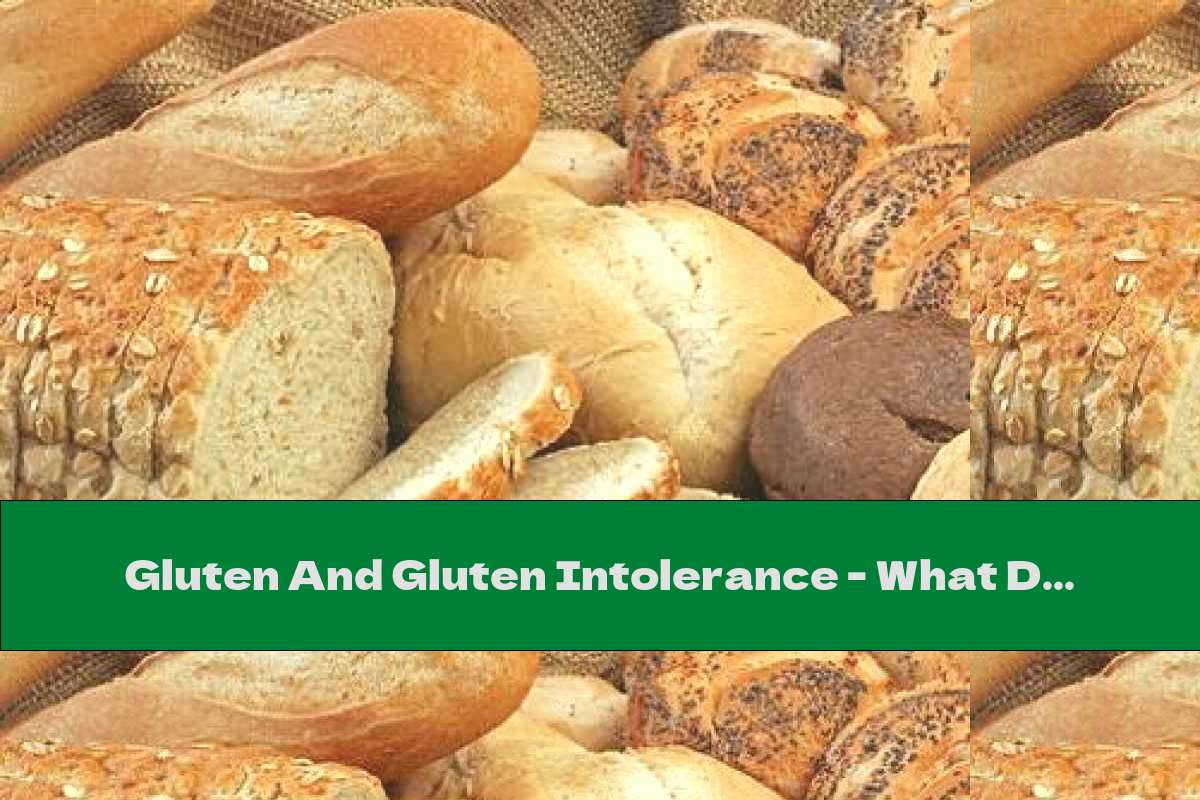
In gluten intolerance, the consumption of foods containing wheat flour and other cereals (containing gluten) causes atrophy of the lining of the small intestine.
Celiac disease is an autoimmune disease in which the immune system reacts against the cells of one's own body. In this disease, the consumption of foods containing wheat flour and other cereals (containing gluten) causes atrophy of the lining of the small intestine.
Due to the reduced activity of enzymes in the intestine, their ability to absorb nutrients is impaired.
When the disease with manifestations in early childhood is called celiac disease, and when it occurs in adults - gluten enteropathy .
Celiac disease is most common in early childhood, when the transition is made from dairy to carbohydrate foods. Experts believe that if the inclusion of carbohydrate foods occurs before the tenth month of the baby, the risk of developing the disease increases. The main cause of celiac disease is that the gastrointestinal tract is not yet sufficiently developed.
Celiac disease is caused by the gluten protein found in wheat, rye, barley and oats.
Gluten damages the ganglia, which form the absorbent surface of the small intestine. This reduces the surface area of the small intestine and therefore the time it takes for nutrients to be absorbed.
The tips of the ganglia process the milk protein lactose and their damage is a prerequisite for the development of lactose intolerance. Experts explain that in celiac patients who follow a gluten-free diet, the ganglia are not damaged.
Due to the reduced ability to absorb important vitamins and minerals, most patients with celiac disease suffer from malnutrition and anemia, even when they are normal or even overweight. Anemia is considered to be one of the symptoms of celiac disease.
Symptoms of celiac disease in children
-
diarrhea that is not improved by standard treatment or diet,
-
weight gain gradually slows down and even stops,
-
however, the child's abdomen is enlarged and swollen,
-
children become capricious and irritable,
-
electrolyte disturbances in protein metabolism,
-
swelling.
After diagnosing celiac disease and applying a gluten-free diet, the child's condition improves.
Symptoms of gluten enteropathy in adults
-
deterioration of general health,
-
feeling tired
-
diarrhea,
-
aphthae,
-
inability to concentrate,
-
frequent mood swings,
-
sterility,
-
dermatitis herpetiformis,
-
osteoporosis,
-
hematological diseases,
-
dental diseases,
-
musculoskeletal diseases,
-
electrolyte disturbances in protein metabolism,
-
swelling.
In more than 95% of cases, there is a genetic predisposition to the development of the disease.
Related Articles
- The Ultimate Guide to High Gluten Foods: Benefits, Sources, and Recipes
- The Ultimate Guide to High Gluten Foods: Effects, Benefits, and Recipes
- The Truth About E477 in Food: What You Need to Know
- The Nutritional Value of Potato Chips: What You Need to Know
- The Nutritional Value of Lays Potato Chips: What You Need to Know