Gluten And Gluten Intolerance - What Do We Need To Know? (Part II)
 Author: Mark Velov
Time for reading: ~1
minutes
Last Updated:
August 08, 2022
Author: Mark Velov
Time for reading: ~1
minutes
Last Updated:
August 08, 2022
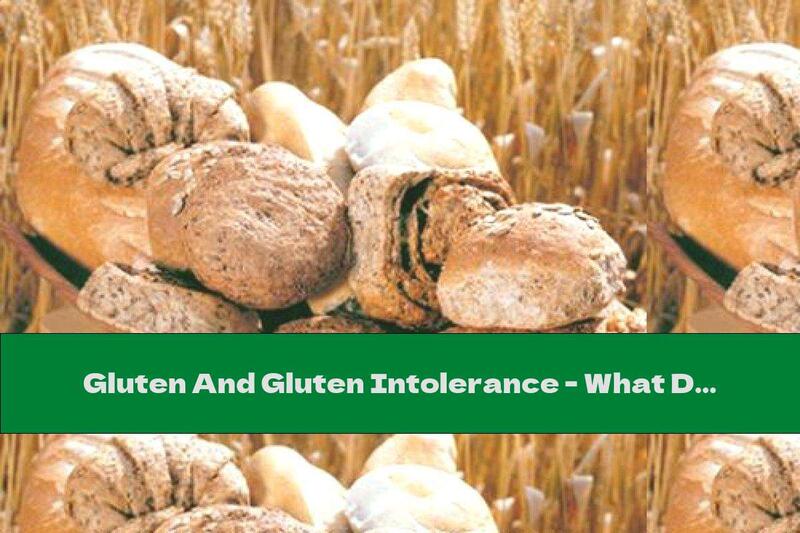
In gluten intolerance, the consumption of foods containing wheat flour and other cereals (containing gluten) causes atrophy of the lining of the small intestine.
Doctors warn that if celiac disease is not treated, the risk of developing osteoporosis, cancer of the throat, esophagus, stomach and colon increases. For this reason, even patients who are diagnosed but have no symptoms should follow a strict gluten-free diet.
Gluten enteropathy is diagnosed by a blood test for the presence of antibodies. Antiglandins and antiendomycins are found in the blood of people suffering from celiac disease.
If the antibody test is positive, it is recommended that a small bowel endoscopy and biopsy be performed. A microscopic examination of the tissue material from the biopsy is performed to confirm damage to the ganglia of the intestinal tract.
Experts advise patients to continue eating gluten-containing foods until gluten enteropathy is diagnosed. Otherwise, the symptoms may not appear and the test data will not be real.
Treatment: The
treatment of celiac disease is long and requires perseverance on the part of the patient. Gluten enteropathy is not amenable to drug treatment and the only therapy that results is a strict gluten-free diet. All gluten-containing products should be excluded from the diet.
Avoid the consumption of wheat, oats, barley, millet, white bread, pastries, cereals, creams, marzipan, malt extracts, canned food containing starch.
The required amount of carbohydrates can be obtained through products such as corn, soy, rice, fresh and yogurt, dairy products and eggs rich in vitamins, iron and electrolytes.
In addition to gluten-containing foods, it is necessary to reduce fat intake to 40 grams per day.
To compensate for the deficiency of B vitamins and zinc, an increased intake of plant foods is recommended.
With proper treatment, the result occurs from 2-3 weeks to 2-3 months. With strict adherence to a gluten-free diet, the symptoms of gluten intolerance do not appear, but when it is violated, the condition worsens.
Related Articles
- The Ultimate Guide to High Gluten Foods: Benefits, Sources, and Recipes
- The Ultimate Guide to High Gluten Foods: Effects, Benefits, and Recipes
- The Truth About E477 in Food: What You Need to Know
- The Nutritional Value of Potato Chips: What You Need to Know
- The Nutritional Value of Lays Potato Chips: What You Need to Know