Gluten-free Diets - Useless For The Heart
 Author: Maryam Ayres
Time for reading: ~1
minutes
Last Updated:
August 08, 2022
Author: Maryam Ayres
Time for reading: ~1
minutes
Last Updated:
August 08, 2022
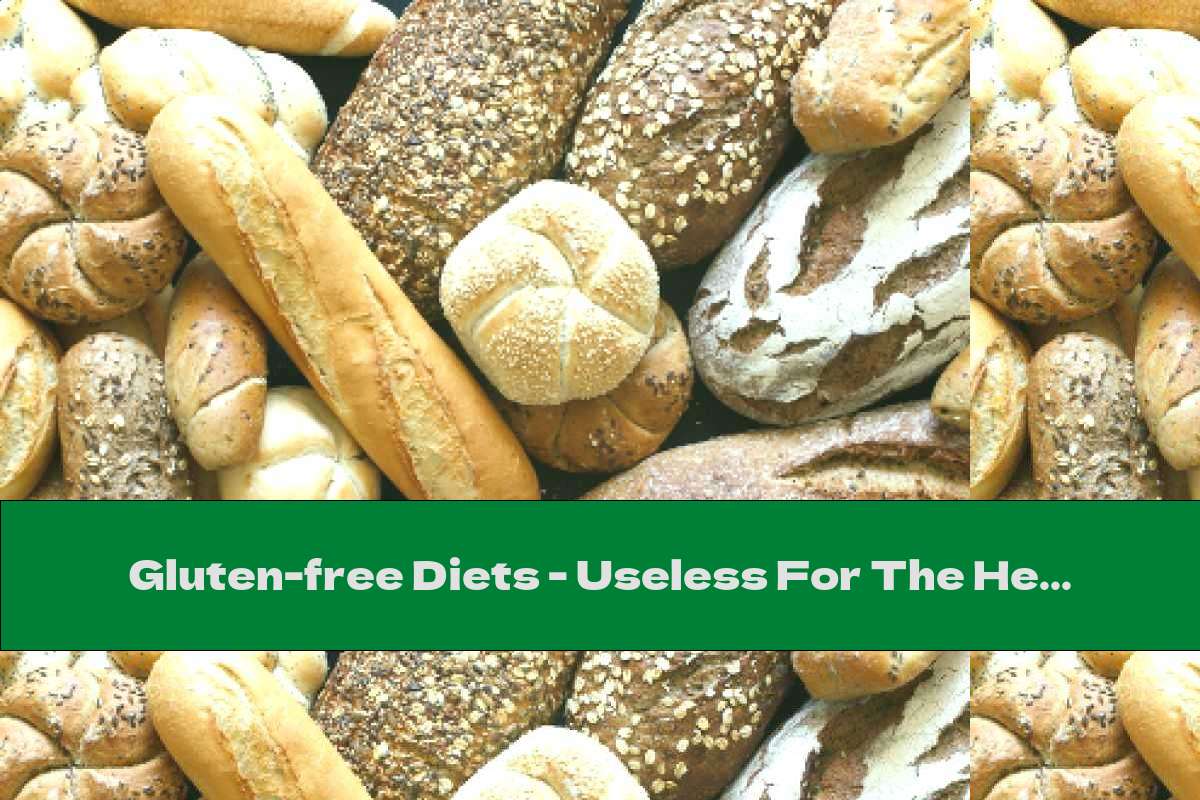
Gluten-free diets do not protect the heart in any way, say British scientists, there is a possibility of even harming it.
Gluten-free diets, which are gaining popularity around the world, enjoy acceptance and approval by a large part of the population as a healthy and healthy diet. They are especially useful and even necessary for people suffering from conditions such as celiac disease , gluten intolerance or sensitivity and other autoimmune diseases such as psoriasis. Gluten-free diets are also advertised among people who do not suffer from these diseases as " protecting the cardiovascular system " and " protecting the heart ", but British scientists reveal that these claims have no scientific basis .
A study by the British Medical Journal reveals that people who go on these diets voluntarily and without a health problem that requires a gluten-free diet do not improve the protection of their cardiovascular system in any way, and may even increase the likelihood of developing cardiovascular disease.
The study was published in late April 2017, weeks after another study in a world-renowned journal shared data from Harvard researchers pointing to a link between unnecessary gluten-free diets and a greatly increased risk of type 2 diabetes .
The more recent study presents its findings after a detailed analysis of the data obtained for 64,000 women and 45,000 men for the period 1986 to 2010. It was periodically checked how much gluten they took in with their diets and how many of them developed cardiovascular diseases. No statistical relationship was found between the two factors.
In addition, scientists say that other similar popular diets can be useful if they encourage the intake of white, lean meat , some fish and plenty of fresh fruits and vegetables . The problem with gluten-free diets is that many gluten-free foods contain elevated levels of sodium and sugars , and with the elimination of cereals, people are deprived of excellent sources of fiber , iron and a number of other beneficial compounds and minerals.
The exclusion of a whole category of foods from the diet should be an informed and well- thought-out decision , preferably after consultation with a healthcare professional . In the United States alone, according to Gallup , by 2015, 17% of Americans were on a gluten-free diet. However, a survey by the same agency found that 54% of Americans could not give even a close answer to the question "What is gluten?".
Related Articles
- The Ultimate Guide to Carbs in Nutrition: Types, Diets, and Recipes
- The Power of Thiamine: Importance, Sources, Deficiency, and Diets
- The Role of Yeast in Nutrition: Benefits, Diets, and Recipes
- Nutritional Benefits of Beef Heart: A Complete Guide
- Nutrition in 2025: Trends, Innovations, and Personalized Diets