Green Or White - Which Is Better Tea?
 Author: Karen Lennox
Time for reading: ~2
minutes
Last Updated:
August 08, 2022
Author: Karen Lennox
Time for reading: ~2
minutes
Last Updated:
August 08, 2022
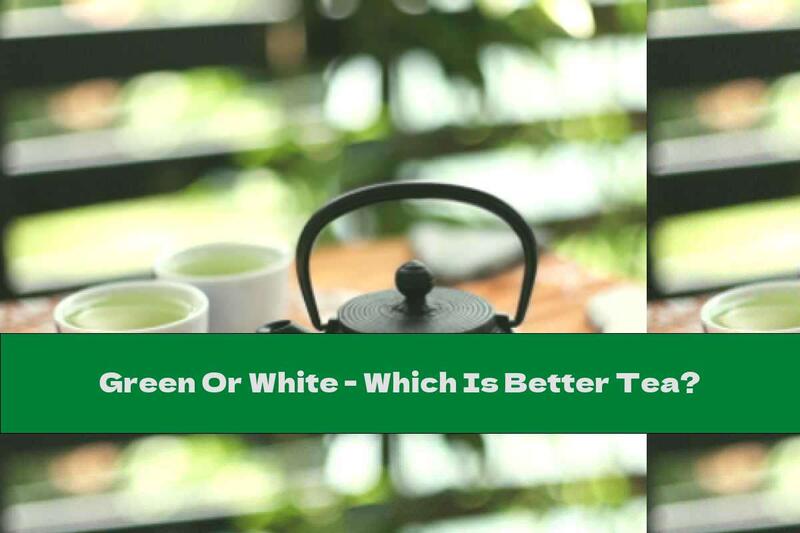
What are the differences between the two types of tea when they come from the same plant?
According to a study by a team from the University of Maryland, tea is the second most consumed beverage in the world , second only to water.
Tea, whether black, white or green, comes from the same plant - Camellia sinensis , which explains their shared beneficial properties: strong antioxidants that slow aging and reduce the risk of heart attack , promote optimal weight and are useful in prevention and treatment of cancers .
Although they share many useful qualities, they also offer some unique to each variety.
White tea is best for dental hygiene . According to a study published in the Dental Research Journal , white tea is so rich in natural fluorides that regular intake can prevent the development of tooth decay , dental plaque and some types of oral cancer . Specific for this type of tea are some antioxidants that prevent the breakdown of elastin and collagen , which keeps the skin younger and wrinkle-free .
Green tea is a proven helper in treating cardiovascular disease , excreting excess body fluids, healing wounds , controlling blood sugar and improving brain function . It also reduces oxidative stress on blood lipids, which in turn reduces the risk of blood clots, which can lead to stroke, heart attack, embolism and more. According to a study published in the world journal Nutrition and Cancer , green tea prevents tumorigenesis in the tissues of the skin, lungs, esophagus, stomach and intestines.
White tea is usually more expensive than green tea because it consists of the youngest and most delicate tea leaves that are collected at the beginning of the season. Both green and white tea undergo minimal processing, which means that they contain much more polyphenols than black tea. Although white tea is considered healthier than green, a research team from the American Lehman College proves that the two have a similar concentration of polyphenols and catechins - the main ingredients that give them healthy qualities.
However, white tea contains 30% to 60% less caffeine than green and has a softer and "colorful" taste than bitter green tea, which makes it much more valuable.
Experts warn that both teas are contraindicated in pregnant women or nursing mothers. True green, black and white tea should not be combined with medicines such as antipsychotics or medicines to treat blood pressure. Even for clinically healthy individuals, the daily intake should not exceed 3-4 cups, because the caffeine in tea causes insomnia, irritation, arrhythmia and dizziness.
Related Articles
- The Power of White Foods: Benefits, Recipes, and More
- The Nutritional Benefits of Fast Green FCF: A Complete Guide
- The Ultimate Guide to Panera Green Goddess Dressing: Benefits, Recipes, and More
- The Ultimate Guide to White Soft Paraffin in Nutrition
- The Nutritional Benefits of Lettuce: A Guide to Including This Leafy Green in Your Diet