Herring - Nutrition
 Author: Ivan Red Jr.
Time for reading: ~1
minutes
Last Updated:
August 08, 2022
Author: Ivan Red Jr.
Time for reading: ~1
minutes
Last Updated:
August 08, 2022
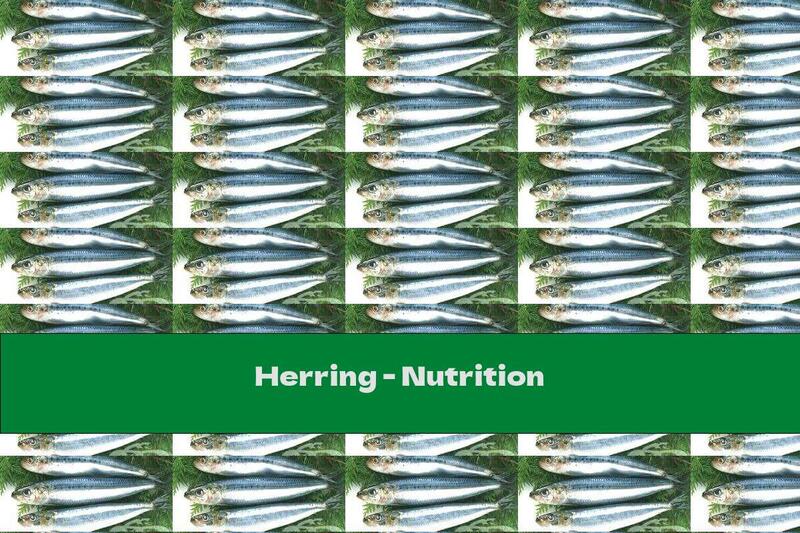
Herring is easily absorbed by the body and is an excellent source of protein, contains a large amount of phosphorus, iodine, calcium, potassium, sodium, magnesium, zinc, fluorine. It contains up to 25% fat, about 20% protein
Herring is easily absorbed by the body and is an excellent source of protein, contains a large amount of phosphorus, iodine, calcium, potassium, sodium, magnesium, zinc, fluorine. It contains up to 25% fat, about 20% protein, vitamins B12, PP, A and D. Proteins contain essential amino acids.
There is information that the consumption of herring reduces some symptoms of psoriasis, improves vision and brain function.
Sea fish contains a complex of vitamins, in particular vitamin D. Fish oil is 5 times more effective than vegetable oils, it lowers blood cholesterol levels.
Tests show that herring increases the presence in the body of the so-called. "Good" cholesterol - high density lipoproteins; Unlike "bad" cholesterol, they significantly reduce the risk of atherosclerosis and cardiovascular disease. In addition, herring oil reduces the size of fat cells - adipocytes, which reduces the likelihood of group II diabetes. This fish also contains antioxidants.
Recently, it is increasingly said that the consumption of fatty fish, which includes herring, protects against asthma. This is explained by the action of Omega-3 fatty acids, which have anti-inflammatory properties and the presence of magnesium. It has been proven that people who are deficient in magnesium in the body are prone to asthma attacks.
Insufficient amount of Omega-3 fats in the body is often associated with diseases such as cancer, rheumatoid arthritis, atherosclerosis, weakened immune system and others. Herring contains nicotinic acid and vitamin D, which are an important factor in strengthening bones and the nervous system.
Related Articles
- The Ultimate Guide to Hickory Smoked Bacon in Nutrition and Healthy Eating
- Fruitskewers in Honey Syrup: Nutritional Benefits and Recipes
- The Ultimate Guide to Buffer 500 in Nutrition: Benefits and Usage
- Nutritional Benefits of Fruit Skewers in Honey Syrup: A Delicious and Healthy Recipe
- Nutrition Guide: Fruitskewers in Honey Syrup - Benefits, Recipes, and More
Top Nutrition Articles Today
- . Nutrition In Hyperopia (farsightedness)
- . What To Cook With Sweet Potato
- . How To Cook Lunch For School: Pizza, Salad, Raw Candy, Pear,...
- . Understanding Cholesterol in Nutrition: Impact, Types, and R...
- . 5 Recipes For Potato Casserole In The Oven
- . How To Fry A Potato With A Crust
- . How To Make Easy Potato Salad
- . Nutritional Benefits of Fruit Skewers in Honey Syrup: A Heal...
- . Understanding Cholesterol in Nutrition: Effects of Diet and...
- . The Ultimate Guide to Vitamin E in Nutrition: Sources, Benef...