How The Body Digests Protein From Food
 Author: Victoria Aly
Time for reading: ~1
minutes
Last Updated:
August 08, 2022
Author: Victoria Aly
Time for reading: ~1
minutes
Last Updated:
August 08, 2022
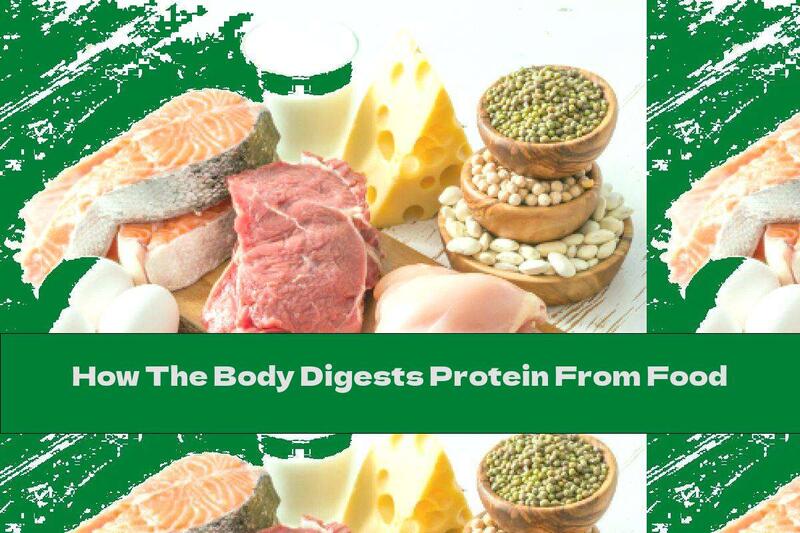
In this article, learn more about How The Body Digests Protein From Food. What are the hormones involved in digestion and what is peristalsis?.
All cells in the human body contain proteins. They are used constantly, are broken down and assimilated for the needs of metabolism. It is recommended to take 0.8 grams of protein for every kilogram of body weight every day.
In the digestive system, dietary proteins enter as large, globular macromolecules that break down into their constituent amino acids . The circulatory system carries them to a variety of metabolically active tissues, in whose cells the amino acids are used by the metabolism to build new proteins in the service of muscle support and regeneration, normal immune function, hormone production, cell growth and more.
The first step in the breakdown of proteins occurs in the mouth, the so-called. mechanical grinding. Prolonged chewing, especially of meat and whole grains, is of particular importance - it increases the surface area of food intake, which greatly facilitates its breakdown in the stomach and intestines. Reaching the stomach , the chewed enters a strongly acidic environment. Stomach acids have several functions: they denature (develop) proteins so that digestive enzymes can interact with them; activate protein-specific enzymes that break down proteins into smaller molecules called peptides (chains containing two or more amino acids); kill foreign microbes or deactivate themsome toxins that can be ingested with food.
From the stomach, the peptides enter the small intestine . To neutralize the acidity of the food mass from the stomach, the pancreas secretes bicarbonate buffer in the small intestine. The drop in acidity signals the release of more digestive enzymes, which break down the peptide chains over and over again until only individual amino acids remain. The food mass continues to move along the intestine, guided by peristalsis. Reaching the absorbing cells of the small intestine, the individual amino acids are transported into the bloodstream, and from there are distributed throughout the body.
The body regulates the whole process through hormones and nerve signals. The hormone gastrin stimulates the stomach to secrete more acids, and the secretin causes the pancreas to secrete bicarbonates and digestive enzymes. Another hormone, cholecystokinin , is also responsible for releasing digestive enzymes. The nervous system controls peristalsis - successive muscle contractions that smoothly and gradually move the food mass through the intestines.
Related Articles
- Nutrition for Respiratory Health: Supporting Your Lungs with the Right Foods
- The Ultimate Guide to High Gluten Foods: Benefits, Sources, and Recipes
- The Ultimate Guide to High Gluten Foods: Effects, Benefits, and Recipes
- The Ultimate Guide to Lactic Acid in Nutrition: Benefits, Food Sources, and Recipes
- The Nutritious World of Wendy's Salads: A Healthy Fast Food Option
Top Nutrition Articles Today
- . List of Foods that Contain Carrageenan: A Guide to Avoiding...
- . Sea Buckthorn: Health Benefits And Harms
- . Healthy Food For Modern Man
- . The Importance of Micronutrients in Chicken: A Complete Guid...
- . The Truth About Potato Chips: Health Effects and Alternative...
- . The Power of Pear Puree: Nutrition, Health Benefits, and Rec...
- . Can You Take A Bath When You Have A Cold?
- . The Diet �������� 7: A Comprehensive Guide to Nutrition and...
- . Steak Label
- . Fruit Juices That Can Interact With Medications